 By admin
 Millions of individuals worldwide rely on statin medications daily to manage cholesterol and safeguard their heart health. However, a wave of recent research suggests that the conventional methods doctors use to assess cardiovascular disease risk might have led to a significant number of people receiving prescriptions they may not genuinely require. This revelation has ignited crucial discussions about the potential for overprescription and how we approach holistic cardiovascular wellness.
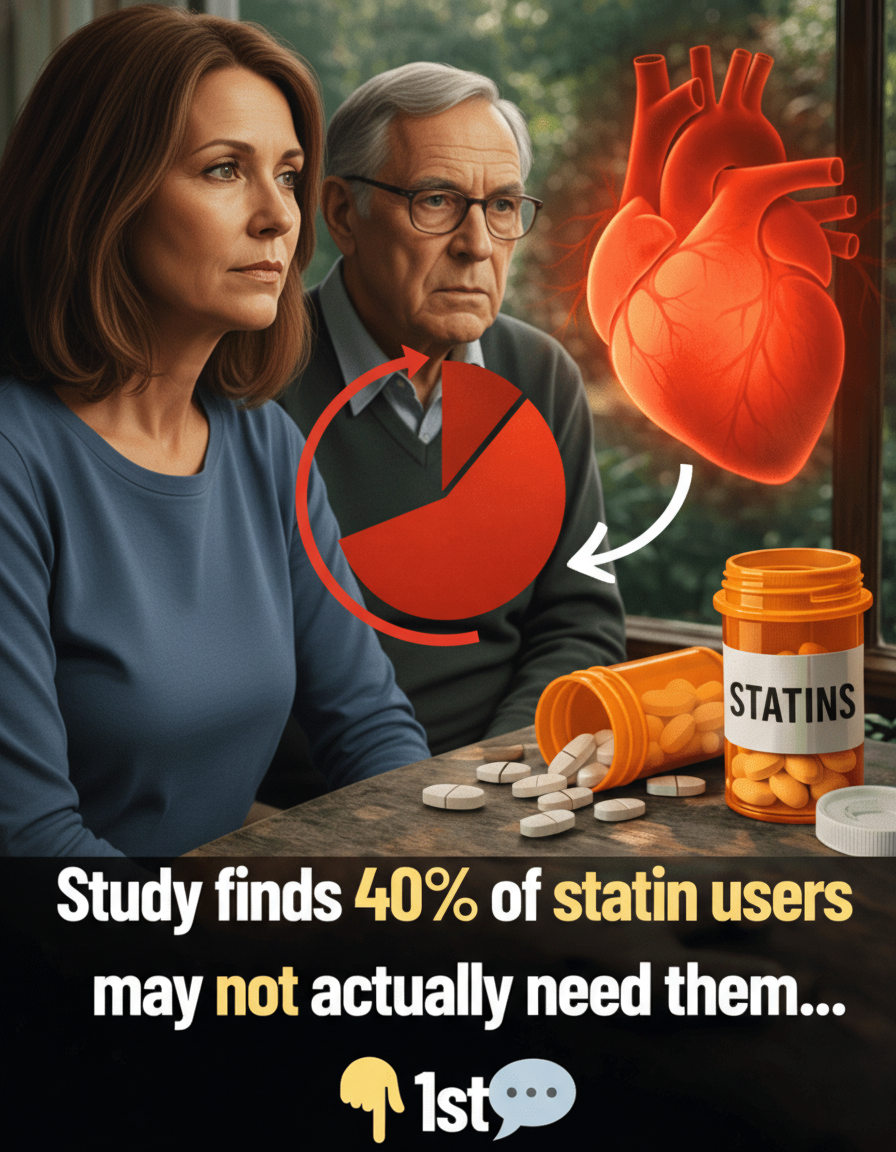
The good news is that emerging diagnostic tools and a deeper examination of lifestyle factors are providing fresh insights that could revolutionize our understanding of prevention. One striking finding indicates that up to 40% of current statin users might fall into a lower-risk category under these updated assessments. This raises a fundamental question: What if the very calculators guiding so many critical health decisions were based on outdated information? Join us as we delve into the latest scientific discoveries, uncover what truly drives heart disease risks, and explore simple daily habits that foster better long-term health outcomes.
The Limitations of Traditional Heart Risk Calculators
For many years, healthcare providers have depended on tools such as the ASCVD Risk Estimator, derived from the Pooled Cohort Equations, to determine who should initiate statin therapy. These widely used calculators integrate data points like age, blood pressure, cholesterol levels, smoking status, and diabetes diagnosis to project a person’s 10-year risk of developing heart disease. Yet, numerous studies have consistently demonstrated that these older models frequently overestimate risk, particularly within certain demographic groups.
A significant analysis published in 2024 underscored how transitioning to newer, more refined equations could dramatically reduce the number of individuals who qualify for statin prescriptions. Some estimates suggest a reduction of approximately 40% fewer candidates in specific populations. This doesn’t negate the historical utility of the older tools; they were instrumental in identifying many individuals at genuine risk. However, as our scientific understanding of cardiovascular disease progresses, so too must our diagnostic instruments. The newer PREVENT equations, meticulously developed by the American Heart Association, incorporate updated data from diverse populations, accounting for factors like kidney function and other crucial indicators to provide a more precise and personalized risk assessment.
The Widespread Impact: Understanding Statin Use Today
Statins stand as one of the most frequently prescribed medications globally, with tens of millions taking them daily to effectively lower LDL (‘bad’) cholesterol. They are undeniably beneficial for many, especially those with pre-existing heart disease or individuals identified as very high risk. Research consistently affirms their efficacy in significantly reducing the likelihood of heart attacks and strokes in these high-risk cohorts.
However, when an individual’s risk is overestimated, it can lead to the unnecessary use of medication for those who are at a lower actual risk. While generally safe, statins can cause side effects such as muscle aches, fatigue, or digestive issues in some users (though severe complications remain rare). More importantly, this situation highlights a broader opportunity: a greater emphasis on addressing the root causes of heart disease through comprehensive lifestyle interventions, either before or in conjunction with medication.
Beyond Cholesterol: What Truly Drives Cardiovascular Risk?
Heart attacks and other cardiovascular events are not simply a consequence of high cholesterol. They result from a complex interplay of various biological processes, including inflammation, plaque accumulation within arterial walls, blood clotting mechanisms, and more. Key contributors to this intricate process include:
- Chronic Inflammation: Often linked to suboptimal dietary choices, persistent stress, and a sedentary lifestyle.
- High Blood Pressure: Exerts undue strain on arteries over extended periods, leading to damage.
- Insulin Resistance: A common feature of metabolic dysfunction, strongly associated with abdominal fat accumulation.
- Smoking and Poor Air Quality: Directly inflict damage upon blood vessels and compromise cardiovascular integrity.
- Sedentary Lifestyle: Diminishes heart efficiency and exacerbates numerous other risk factors.
While cholesterol certainly plays a role, it is often more akin to a passenger in the disease process rather than the primary driver. Specifically, oxidized LDL particles (LDL cholesterol damaged by inflammation and oxidative stress) are far more likely to contribute to dangerous plaque formation than normal cholesterol levels alone. This nuanced understanding is crucial: many experts now underscore that comprehensive lifestyle factors frequently exert a more profound impact on cardiovascular health than medication alone, particularly for individuals at moderate risk.
Could You Be Among Those Who Might Reassess Statin Needs?
Recent analyses, utilizing advanced risk models like PREVENT, strongly suggest that a substantial portion of individuals currently on statins might have a significantly lower estimated 10-year risk under modern guidelines. One pivotal study indicated that applying the PREVENT calculator could lead to the reclassification of millions, potentially resulting in approximately 40% fewer individuals meeting the typical thresholds for initiating statin therapy.
It is crucial to emphasize that this information is absolutely not a blanket recommendation to discontinue your medications. All decisions regarding your health and prescriptions must always be made in close consultation with your doctor. Your physician can thoroughly review your complete health profile, including your family history, other medical conditions, and additional diagnostic tests such like coronary artery calcium (CAC) scans, to provide a personalized assessment.
Nonetheless, if you are currently taking statins primarily for primary prevention (meaning you have no prior history of heart attacks or strokes), it is certainly worthwhile to initiate a discussion with your healthcare provider about whether your cardiovascular risk has been reassessed with these newer, more accurate tools. Consider asking your doctor the following questions:
- “Given the insights from newer risk calculators like PREVENT, should we re-evaluate my individual need for statin therapy?”
- “Beyond my cholesterol numbers, what are my most significant and actionable cardiovascular risk factors?”
- “What specific lifestyle modifications could further reduce my risk and potentially alter my medication requirements?”
Empowering yourself with the latest information and engaging in open dialogue with your doctor is key to optimizing your long-term heart health strategy.