 By admin
 In the expansive world of natural health, the soursop leaf, also recognized as graviola or guanabana, frequently emerges as a topic of keen interest. Derived from the tropical Annona muricata tree, these leaves have garnered attention due to their long history of use in traditional medicine across diverse cultures for promoting general well-being. While figures like natural living advocate Barbara O’Neill (whose advice has faced regulatory scrutiny in certain areas) have highlighted various herbs in discussions about supporting the body’s inherent functions, it’s crucial to distinguish between anecdotal accounts and scientific validation.
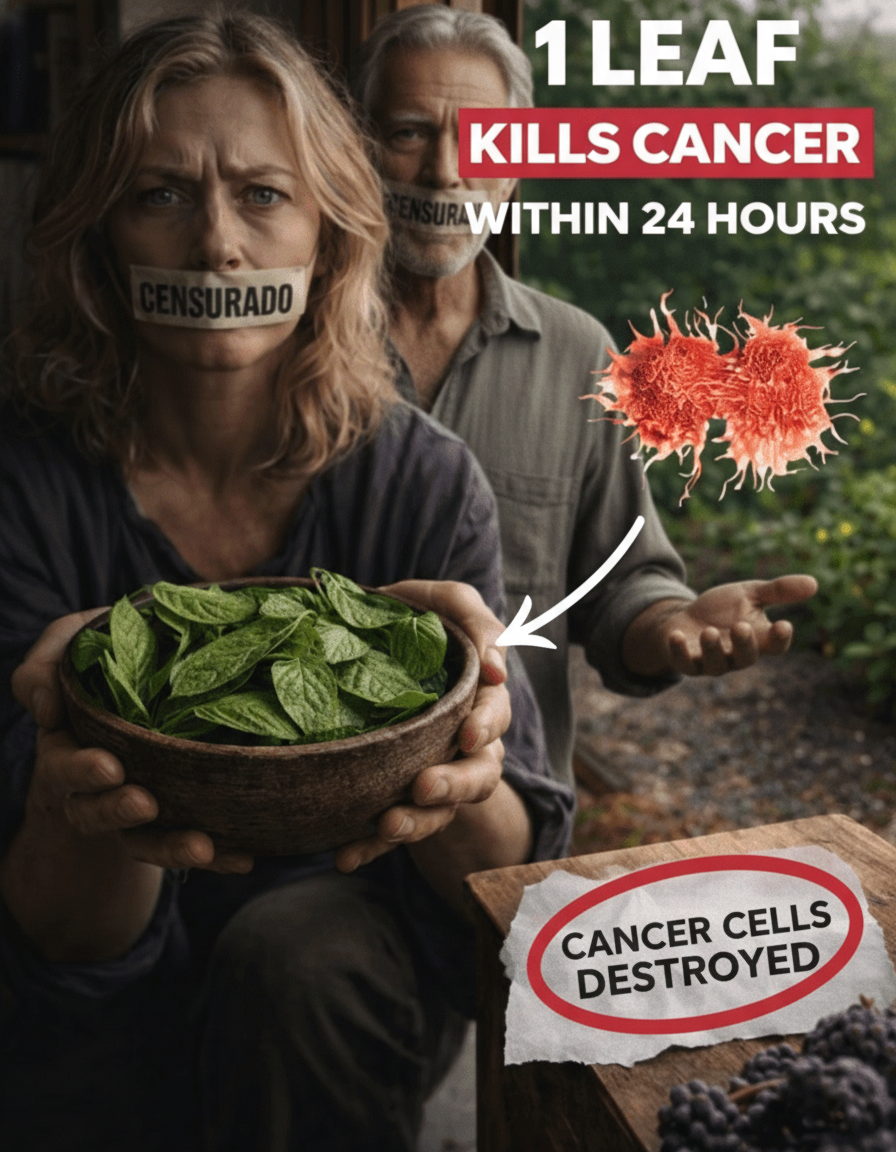
Despite captivating narratives circulating online, no single plant or leaf has been conclusively proven to dramatically alter the course of severe illnesses, such as cancer, in the manner often sensationalized by headlines. Scientific inquiry into soursop primarily investigates its unique compounds, notably acetogenins, which have been explored for their biological properties in controlled laboratory environments. Initial in-vitro (test-tube) and animal studies have indeed indicated potential antioxidant and specific cellular effects. However, it is vital to emphasize that robust human clinical evidence supporting these profound health claims remains scarce and inconclusive.
Why Soursop Leaf Captivates the Wellness Community
The widespread fascination with soursop leaf stems from its impressive profile of bioactive compounds, including alkaloids, flavonoids, and the aforementioned acetogenins. For centuries, traditional herbal medicine in regions spanning South America, Southeast Asia, and Africa has incorporated soursop leaf tea for its purported benefits, such as promoting digestive well-being, fostering relaxation, and supporting immune function. Many individuals, seeking proactive measures for their health, are drawn to these natural alternatives as complementary strategies to conventional medical treatments.
This attraction is particularly pronounced when dealing with challenging health conditions. For instance, the global impact of cancer, characterized by its associated fear, uncertainty, and the profound desire for any intervention that might aid in maintaining health, often leads people to explore diverse avenues. A perceived lack of emphasis on lifestyle, dietary choices, and plant-derived supports within mainstream healthcare dialogues can further fuel interest in options like herbal teas. While this exploration is valid, it’s imperative to approach such remedies with balanced and realistic expectations.
Soursop Under the Microscope: A Scientific Examination
Academic research, frequently published in scientific journals, has indeed delved into the properties of Annona muricata, specifically investigating its antioxidant capacity and its potential to modulate cellular processes within controlled laboratory environments. Key findings from these preliminary investigations include:
- The presence of powerful antioxidants within soursop leaves, which could play a role in mitigating oxidative stress – a recognized contributor to various health concerns.
- Certain compounds demonstrating selective activity against specific cell lines in early-stage research, hinting at potential therapeutic avenues.
Nevertheless, it is critical to understand that these promising results are predominantly preclinical, meaning they originate from test-tube (in vitro) or animal studies. Leading health authorities, including the National Cancer Institute (NCI) and Memorial Sloan Kettering Cancer Center (MSKCC), consistently highlight that despite ongoing research into soursop, there remains a notable lack of conclusive evidence from human clinical trials to substantiate claims of significant health benefits or therapeutic effects on severe diseases. Furthermore, caution is advised regarding high doses or extended consumption, as certain compounds in soursop may pose risks, including neurotoxicity.
Integrating Soursop Leaf Tea into a Balanced Wellness Routine (Responsibly)
For those interested in incorporating plant-based elements into their daily regimen for general wellness – always remembering that this is not a substitute for professional medical advice or treatment – soursop leaf tea can be explored as part of a comprehensive, balanced approach. Here are practical guidelines for responsible consumption:
- Prioritize Quality Sourcing: Opt for organic, clearly identified soursop leaves from trusted, reputable suppliers. This minimizes the risk of contaminants and ensures product authenticity.
- Simple Tea Preparation: Infuse 1–2 dried soursop leaves in a cup of hot (but not boiling) water. Allow it to steep gently for 5–10 minutes to extract the beneficial compounds.
- Begin Gradually: Start with a single cup per day and closely observe your body’s individual response.
- Complement with Core Healthy Habits: Integrate soursop tea alongside a nutrient-dense diet rich in diverse fruits, vegetables, and whole grains, coupled with consistent physical activity.
- Emphasize Overall Well-being: Maintain adequate hydration and focus on a holistic nutritional strategy, rather than placing undue reliance on any single supplement or ingredient.
Beyond specific herbal teas, broader supportive habits are universally advocated within wellness circles to bolster overall health:
- Diverse, Antioxidant-Rich Diet: Consume an abundance of colorful fruits and vegetables to naturally boost antioxidant intake.
- Healthy Weight Management: Achieve and maintain an optimal weight through a combination of balanced eating and regular physical exercise.
- Effective Stress Reduction: Implement stress-managing techniques such as mindful walking, meditation, or controlled deep breathing exercises.
- Proactive Medical Care: Ensure regular health check-ups and adhere to the guidance provided by healthcare professionals.
Navigating the Hype: Discerning Fact from Fiction
The rapid proliferation of sensational claims, such as “a single soursop leaf eradicates cancer within 24 hours,” is largely attributable to their ability to resonate with human emotions like hope and, at times, desperation or frustration. Regrettably, such assertions frequently exaggerate preliminary research findings or entirely overlook crucial safety considerations and potential risks.
While advocates like Barbara O’Neill have undoubtedly motivated numerous individuals through their discussions on natural self-healing, it’s essential to reiterate that health authorities consistently advise prioritizing evidence-based medical care over reliance on unverified or unproven remedies. The fundamental truth, often overlooked amidst the search for quick fixes, lies in consistent and sustainable lifestyle choices. A foundation built upon sound nutrition, regular physical activity, adequate sleep, and effective stress management practices provides the most reliable and robust support for the body’s inherent resilience – far surpassing the impact of any solitary plant or supplement.
Conclusion: A Balanced Approach to Soursop Leaf in Wellness
In summary, while the soursop leaf (graviola/guanabana) holds a fascinating place in traditional medicine and continues to be a subject of scientific inquiry, particularly for its rich array of bioactive compounds, it is paramount to maintain a balanced perspective. Exploring natural options such as soursop leaf tea can indeed be a valuable component of a proactive personal wellness journey. However, this exploration must always be undertaken thoughtfully, responsibly, and, crucially, in conjunction with professional medical advice and conventional healthcare. The most profound and lasting benefits for health and well-being stem from a holistic commitment to consistent, evidence-backed lifestyle practices, rather than seeking a singular, miraculous remedy.