 By admin
 Soursop and Prostate Health: Unpacking the Research on This Tropical Fruit for Aging Men
For many men, the natural process of aging brings with it concerns about prostate health, particularly the common condition known as benign prostatic hyperplasia (BPH). This enlargement of the prostate gland can manifest as troublesome urinary symptoms, including increased frequency of bathroom visits, discomfort, and disrupted sleep patterns. In response, a growing number of individuals are exploring natural dietary and lifestyle approaches to maintain prostate wellness. Among the various botanicals drawing scientific attention is the exotic tropical fruit, soursop, also recognized as graviola or Annona muricata. Preliminary laboratory and animal investigations have begun to shed light on its potential to support healthy prostate function. But what exactly does the current research indicate, and how might one thoughtfully integrate this fruit into their routine? Join us as we delve into the scientific findings and practical considerations surrounding soursop’s role in men’s health.
The Challenge of Prostate Enlargement (BPH) and the Quest for Natural Support
Benign prostatic hyperplasia (BPH) is a prevalent condition impacting a significant proportion of men typically over the age of 50. It involves the non-cancerous growth of the prostate gland, which then exerts pressure on the urethra, the tube that carries urine from the bladder. This compression frequently leads to a range of uncomfortable urinary symptoms, such as a weakened stream, a sudden urge to urinate, or the sensation of incomplete bladder emptying. While conventional medical treatments are available, there’s increasing enthusiasm for proactive lifestyle strategies, especially dietary modifications, to support prostate health. Scientific inquiry has focused on identifying natural compounds capable of positively influencing key prostate health indicators, including gland size, inflammatory responses, and the body’s antioxidant defenses.
Soursop: A Tropical Fruit Under the Microscope for Prostate Health
The soursop fruit, a distinctive spiky green produce indigenous to tropical environments, has garnered particular interest. Its unique profile boasts an abundance of potent bioactive compounds, notably acetogenins, flavonoids, and various other phytochemicals. Early investigations, primarily conducted in animal models, have explored how different soursop extracts—derived from its leaves, seeds, and even the fruit itself—interact with experimentally induced prostate alterations. Preliminary findings from some of these studies suggest a notable reduction in prostate weight and an enhancement in associated biomarkers following exposure to these extracts.
Decoding the Science: What Research Suggests About Soursop and Prostate Support
When evaluating soursop’s role in prostate health, it’s crucial to acknowledge that the majority of existing scientific evidence stems from laboratory (in vitro) and animal studies. Robust human clinical trials are still scarce, meaning the current findings, while promising, should be interpreted as preliminary and supportive, not conclusive or definitive.
Animal Model Findings on Prostate Size and Biomarkers
Several animal studies have explored soursop’s impact on prostate size and related biomarkers. For instance, in rat models where BPH was experimentally induced using testosterone, specific soursop fractions—including acetogenin-rich extracts from its leaves or hexane fractions derived from its seeds—demonstrated a correlation with decreased prostate weights, lower levels of Prostate-Specific Antigen (PSA, a common marker often elevated in prostate conditions), and an improved overall antioxidant status when compared to control groups that received no treatment. Intriguingly, at least one investigation observed that these effects were comparable to those achieved with standard reference treatments aimed at mitigating prostate enlargement.
Cellular-Level Explorations: Insights from Test-Tube Studies
At a cellular level, research conducted in test-tube environments (in vitro) has revealed that extracts sourced from soursop fruit pulp and leaves exhibit antiproliferative activity against human prostate cell lines, including specific BPH-1 cells. This suggests that key compounds, particularly acetogenins, may play a role in modulating cellular processes, thereby potentially contributing to the maintenance of balanced cell growth within the prostate.
Broader Phytochemical Benefits: Antioxidant and Anti-inflammatory Potential
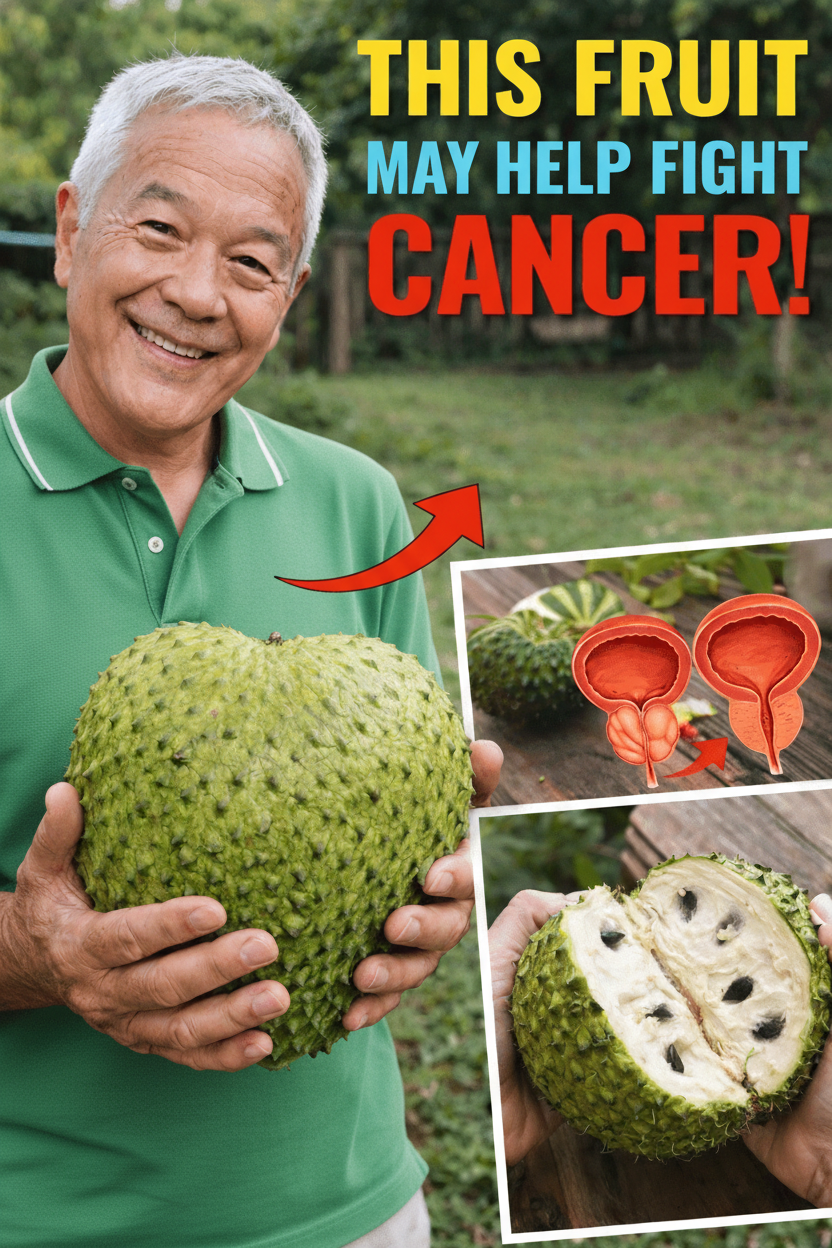
Beyond specific prostate-related mechanisms, soursop’s rich phytochemical composition offers broader health advantages. Its potent antioxidant compounds are known to effectively neutralize oxidative stress, a significant contributor to age-related changes within the prostate gland. Furthermore, reviews exploring synergistic effects suggest that flavonoids and acetogenins, two prominent classes of compounds found in soursop, may collaborate to enhance its overall therapeutic potential.
Important Caveat: The Need for Human Clinical Data
It is crucial to reiterate, however, that the overwhelming majority of this evidence is derived from preclinical studies—meaning research conducted in laboratories and on animal models. Leading health organizations, such as the Memorial Sloan Kettering Cancer Center and Cancer Research UK, acknowledge the encouraging laboratory findings for various soursop extracts. Nevertheless, they consistently emphasize the critical absence of substantial, robust human clinical data required to definitively confirm either the benefits or the safety of soursop for prostate conditions in people. Yet, the story of soursop isn’t solely about its potential prostate-specific effects; its impressive nutritional profile presents an additional dimension of appeal for broader health and wellness.
Beyond Prostate: Soursop’s Impressive Nutritional Profile
Beyond its bioactive compounds, soursop also stands out for its excellent nutritional value. A single cup of fresh soursop pulp provides:
- Abundant Vitamin C: Supplying over 50% of the recommended daily intake, crucial for immune system strength and potent antioxidant defense.
- Significant Dietary Fiber: Essential for promoting healthy digestion and gut function.
- Key Minerals: Including potassium, magnesium, and iron, vital for various bodily processes.
- Naturally Sweet & Low in Calories: Offering a delightful taste without excessive caloric content.
This rich array of nutrients positions soursop as a highly beneficial and delicious component of a balanced, prostate-friendly diet, which typically emphasizes a wealth of fruits, vegetables, and anti-inflammatory foods.
Integrating Soursop into Your Diet Thoughtfully and Safely
Should you be interested in exploring soursop, it’s advisable to prioritize its consumption as a whole food in moderate amounts, rather than opting for highly concentrated supplements, which may present greater risks and lack comprehensive safety data. Here’s a practical guide for incorporating soursop into your diet:
- Selecting Quality Fruit: Seek out ripe soursop characterized by a soft, yellowish-green skin that gently yields when light pressure is applied. Discard any fruit that appears excessively soft, bruised, or damaged.
- Simple Preparation: Carefully cut the fruit open, then spoon out the creamy white pulp. It is absolutely crucial to remove and discard all black seeds, as they are considered toxic. The pulp can be enjoyed fresh, blended into smoothies, or juiced. Begin with small servings to assess your individual tolerance.
- Culinary Ideas: For a refreshing treat, blend the soursop pulp with a banana, a dollop of yogurt, and a squeeze of lime. It also makes a delightful addition to fruit salads or chilled dessert preparations. For any new food, especially one with potential medicinal properties, moderation is key.
Final Thoughts on Soursop and Prostate Wellness
Soursop, a vibrant tropical fruit, presents an intriguing subject for those seeking natural support for prostate health as they age. While preclinical studies offer promising insights into its potential to influence prostate size, cellular activity, and antioxidant defenses, it is vital to remember the current limitations of human research. As with any dietary or herbal intervention, especially when addressing health concerns like BPH, always consult with a healthcare professional before making significant changes to your diet or supplement regimen. Enjoying soursop as part of a balanced, nutrient-rich diet can contribute to overall wellness, but it should complement, not replace, conventional medical advice and treatment.