 By admin
 Last week, an elderly patient quietly showed me a picture on his phone. He had shared it with dozens of friends, proudly proclaiming he had discovered a “miracle fruit” capable of fighting many serious diseases. A few days later, he admitted something uncomfortable: he wasn’t sure if it was true anymore.
That moment of embarrassment is far more common than people realize. The internet rapidly amplifies health claims, particularly those promising hope for daunting conditions. But when it comes to fruits like soursop, also known as graviola or Annona muricata, the truth is far more nuanced. Understanding this distinction is crucial, especially for older adults navigating a sea of online health information.
What is Soursop and Why the Buzz?
Soursop is a tropical fruit characterized by its green, spiky skin and creamy white flesh. Indigenous to Southeast Asia, the Caribbean, and parts of South America (known as mãng cầu xiêm in Vietnam), it boasts a unique sweet and slightly sour flavor, often likened to a blend of pineapple and strawberry. It’s a popular ingredient in smoothies, juices, and desserts.
However, its recent surge in popularity stems from widespread social media posts claiming it can combat numerous types of cancer. Images listing extensive groups of diseases circulate online, leading many, especially older adults, to wonder if they should incorporate it into their daily diet.
Soursop’s Nutritional Profile: What Science Says
From a nutritional standpoint, soursop is indeed beneficial. A 100-gram serving provides essential nutrients that support general health, including Vitamin C, fiber, potassium, and other micronutrients. So, yes, it is a healthy fruit.
Researchers are particularly interested in certain plant compounds found in soursop, known as **acetogenins**. These naturally occurring molecules are present in the fruit’s leaves, seeds, and flesh. Laboratory experiments have suggested that these compounds may influence the behavior of certain abnormal cells in controlled environments.
But here’s the critical point often overlooked in viral posts: **laboratory studies do not automatically translate to real human health outcomes.** Cells in a petri dish behave very differently from cells within a complex, living human body. While these compounds are scientifically intriguing, they are still very much in the early stages of study.
Soursop and Cancer: Separating Fact from Fiction
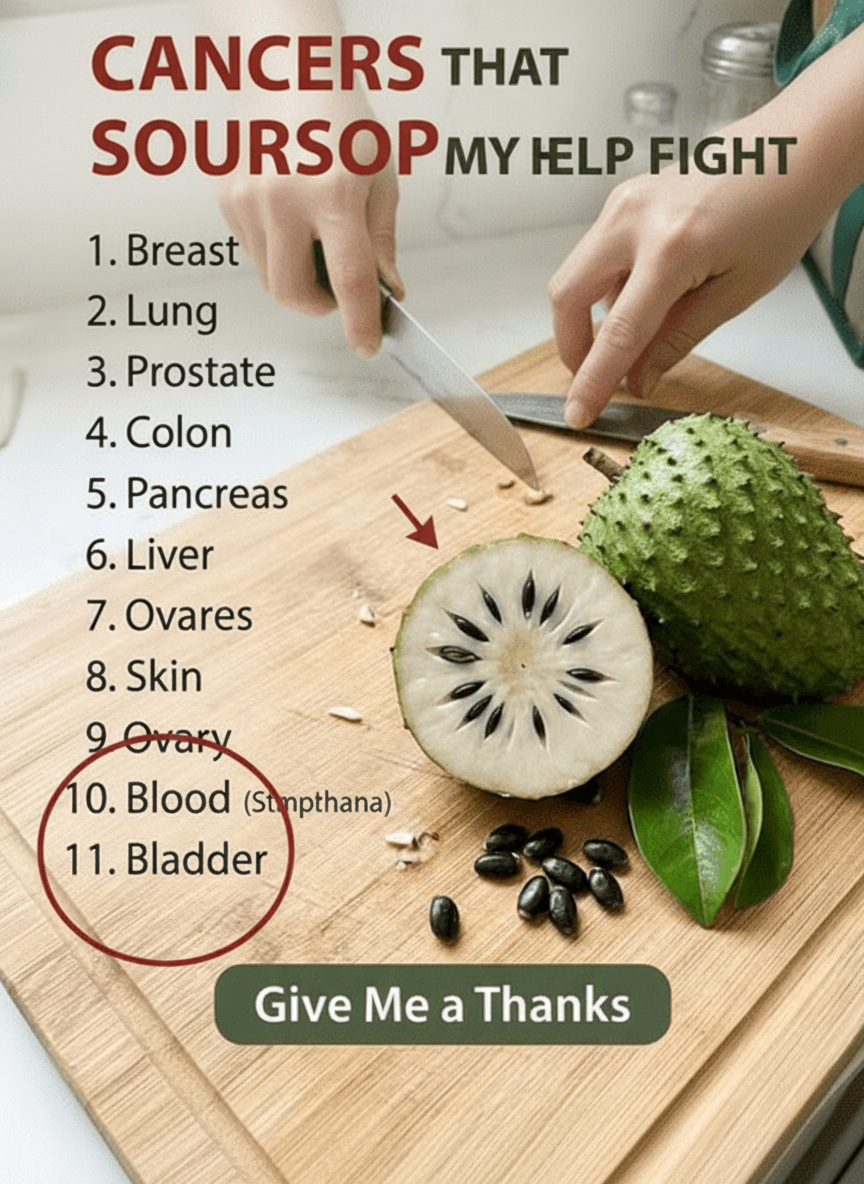
Let’s address the most prevalent claim directly: Does soursop cure cancer? **No credible medical authority currently supports this claim.**
Some preliminary laboratory research has shown that extracts from the soursop plant may affect the growth of certain cancer cells in test-tube studies (Healthline). However, this type of research is merely the first step in a lengthy and rigorous scientific process. To clarify the distinction:
- **Lab Cell Experiments:** Initial studies on isolated cells in a controlled environment.
- **Animal Studies:** Testing effects on live animals.
- **Human Clinical Trials:** Extensive research involving human subjects to assess safety and efficacy.
- **Medical Approval:** Only after large-scale human studies confirm safety and effectiveness can a treatment be medically approved.
At present, soursop has not progressed through these crucial stages for cancer treatment. Therefore, claims that the fruit can fight dozens of cancers lack strong clinical evidence. This doesn’t render the fruit “useless,” but it fundamentally changes how we should perceive its health benefits.
The Real Health Benefits of Enjoying Soursop
Instead of focusing on unverified promises, it’s more helpful to appreciate the realistic benefits soursop offers as part of a balanced diet. When consumed regularly, soursop can support overall wellness:
- **Immune Health:** Thanks to its Vitamin C content.
- **Digestive Support:** Due to its dietary fiber.
- **Antioxidant Protection:** Helps the body manage oxidative stress and protect cells from damage.
- **Hydration and Nutrients:** Provides natural hydration and essential nutrients.
For older adults, in particular, fruits rich in vitamins and fiber contribute significantly to better nutrition and digestive comfort. However, it’s vital to remember this fundamental guideline: **Food supports health; food does not replace medical care.**
Embrace Soursop Wisely
Soursop is a delicious and nutritious fruit that can be a wonderful addition to a healthy diet. Enjoy it in smoothies, juices, or as a fresh snack. However, when confronted with sensational health claims online, especially those promising cures for serious illnesses like cancer, exercise caution and critical thinking. Always consult with your healthcare provider for medical advice and treatment options. Your well-being depends on reliable information, not hype.