 By admin
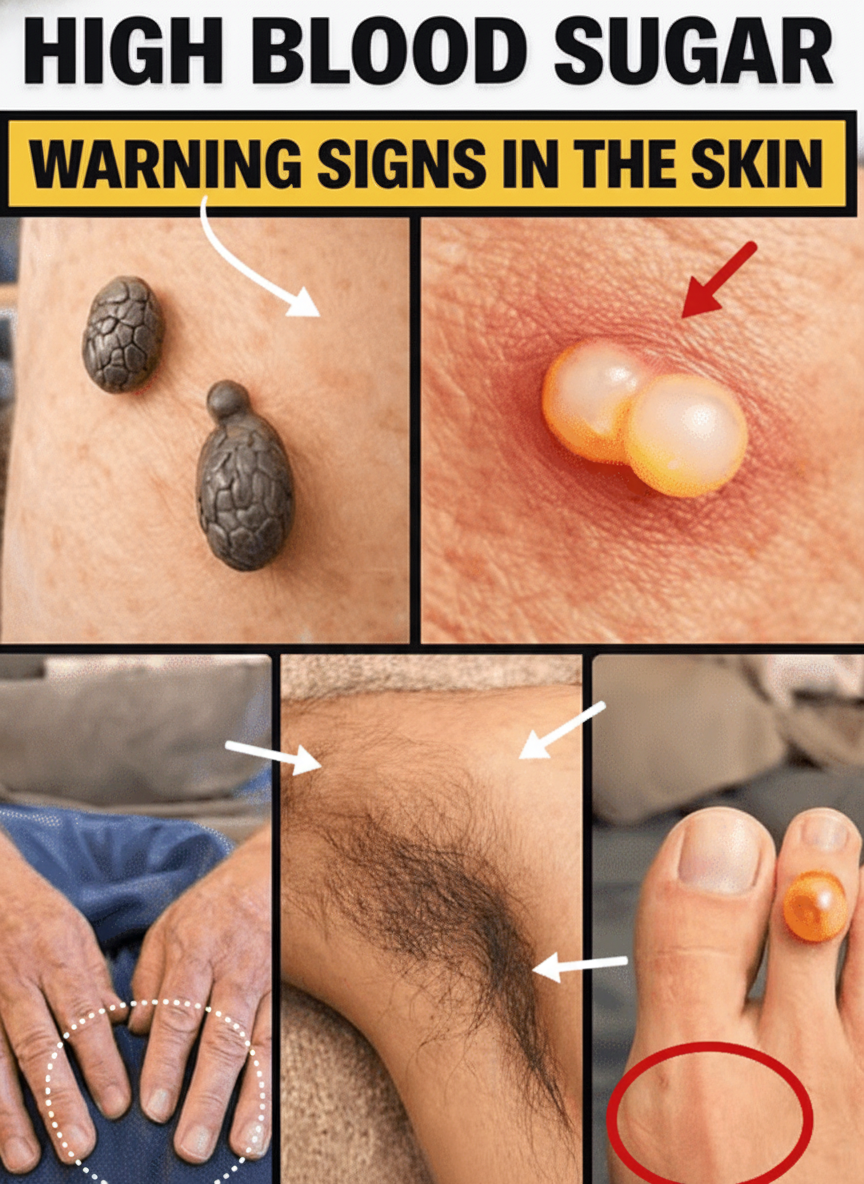
 Skin’s Silent Alarms: 8 High Blood Sugar Warnings Older Adults Should Heed
It’s easy to dismiss subtle changes on your skin as mere signs of aging, dryness, or even poor lighting. Perhaps you’ve noticed a new dark patch on your neck or an unusual tightness in your fingers. While often overlooked, your skin can be a powerful messenger, quietly signaling important internal health changes, particularly concerning blood sugar levels. Research increasingly points to specific skin patterns that can emerge when blood sugar remains elevated over time.
For older adults, recognizing these early warnings is crucial. Your skin might be speaking volumes, offering clues about your metabolic health long before other symptoms become apparent. Here are eight key skin signs that older adults should pay close attention to:
1. Dark Velvety Patches (Acanthosis Nigricans)
One of the most common skin indicators of long-term high blood sugar is acanthosis nigricans. This condition manifests as dark, thick, velvety patches, typically found around the neck, armpits, or groin. Many mistakenly attribute these patches to dirt or the natural aging process. However, studies suggest their appearance often correlates with the body’s struggle to efficiently use insulin.
- Skin becomes noticeably darker and thicker.
- Texture feels soft or slightly velvety to the touch.
- Commonly appears in skin folds like the neck or underarms.
What’s particularly significant is that this sign can sometimes emerge years before other health symptoms, making it a vital early alert.
2. Suddenly Multiplying Small Skin Tags
Skin tags are tiny, soft growths that hang from the skin. While common, especially with age, a sudden proliferation of many skin tags, particularly around the neck, eyelids, or armpits, can be a red flag. Researchers have identified a link between an increase in skin tags and underlying insulin resistance or metabolic stress.
- Clusters of small, soft, flesh-colored or slightly darker bumps.
- Often painless but may become irritated by clothing.
- Their number may increase when blood sugar regulation becomes more challenging.
3. Cuts or Scratches That Heal Slowly
Have you noticed minor cuts or scratches taking weeks instead of days to heal? This sluggish healing process can be a direct consequence of elevated blood sugar, which impairs circulation and the body’s natural ability to repair tissues.
- Minor cuts remain red or inflamed for an extended period.
- Scratches repeatedly scab over without fully resolving.
- Skin may bruise more easily than usual.
Reduced circulation and potential nerve sensitivity, often associated with high blood sugar, can significantly impede the normal healing cascade. These slow-healing wounds frequently appear first on the feet and hands.
4. Frequent Skin Infections
Your skin acts as your body’s primary protective barrier. When blood sugar levels are consistently high, it creates an environment where bacteria and fungi can flourish more easily, leading to recurring infections. Older adults might experience:
- Red, swollen areas on the skin.
- Painful bumps, boils, or abscesses.
- Warmth around the affected skin area.
Recurring skin infections can indicate that the immune system is under stress, struggling to defend against common pathogens.
5. Persistent, Unexplained Itchy Skin
Chronic itching without an obvious rash can be another subtle, yet important, early warning. High blood sugar can contribute to dry skin and poor circulation, both of which are common triggers for persistent itching. This often affects areas such as:
- Lower legs
- Back
- Forearms
Many people attribute this to seasonal dryness or normal aging, but persistent itching, especially when accompanied by other signs, warrants further investigation.
6. Yellowish Bumps (Xanthomas)
Some individuals may develop small, yellowish or waxy bumps known as xanthomas. These can appear on various parts of the body, including:
- Arms
- Legs
- Buttocks
- Back
Xanthomas are often linked to high levels of fats in the blood, a condition that frequently co-occurs with unstable blood sugar control.
7. Shiny, Tight Skin on Hands or Fingers
An unusual tightness or shiny appearance of the skin, particularly on the hands and fingers, can be a sign of what doctors sometimes refer to as diabetic skin thickening.
- Difficulty in fully bending fingers.
- Skin that appears waxy or unusually smooth.
- Reduced flexibility in the joints of the hands.
While seemingly minor initially, this condition can gradually impact daily activities, such as gripping objects or performing fine motor tasks.
8. Brown Patches on the Lower Legs (Diabetic Dermopathy)
Light to dark brown patches, often found on the shins, are sometimes called diabetic dermopathy. These might resemble age spots or old bruises but typically appear in clusters.
- Round or oval-shaped patches.
- A slightly scaly surface.
- Usually painless.
These patches are thought to result from changes in the small blood vessels that supply the skin.
Your skin offers a visible window into your health. While these signs alone don’t confirm a diagnosis of high blood sugar or diabetes, they are significant indicators that warrant attention. If you notice any of these changes, especially if several appear together, it’s essential to consult with a healthcare professional for proper evaluation and guidance. Early detection and management are key to maintaining long-term health and well-being.