 By admin
 Many of us navigate our daily lives unaware that certain routine actions can trigger a rapid, temporary surge in blood pressure. This sudden spike isn’t just a fleeting inconvenience; it places significant strain on the delicate blood vessels in your brain, a concern amplified for individuals with unmanaged high blood pressure or pre-existing vascular weaknesses. Research indicates that even brief, sharp increases in pressure from common habits can contribute to serious issues, including an elevated risk of vessel stress that might lead to bleeding in the brain.
The good news? Understanding these triggers and making minor adjustments can offer substantial protection. While blood pressure naturally fluctuates throughout the day, these abrupt increases are different. They exert intense, momentary force against vessel walls that may already be compromised, making them more vulnerable to damage.
Why Sudden Blood Pressure Surges Matter for Brain Health
Over time, consistently high blood pressure can stiffen and damage vessel walls, diminishing their flexibility. When a sudden, intense pressure surge occurs, it pushes harder against these weakened structures. Studies, including those focusing on cerebral events, highlight how these short-term spikes—whether from physical exertion or emotional intensity—can play a critical role in vascular incidents. Managing overall blood pressure through a healthy lifestyle is fundamental, but actively avoiding these abrupt triggers is equally crucial for safeguarding your brain’s health.
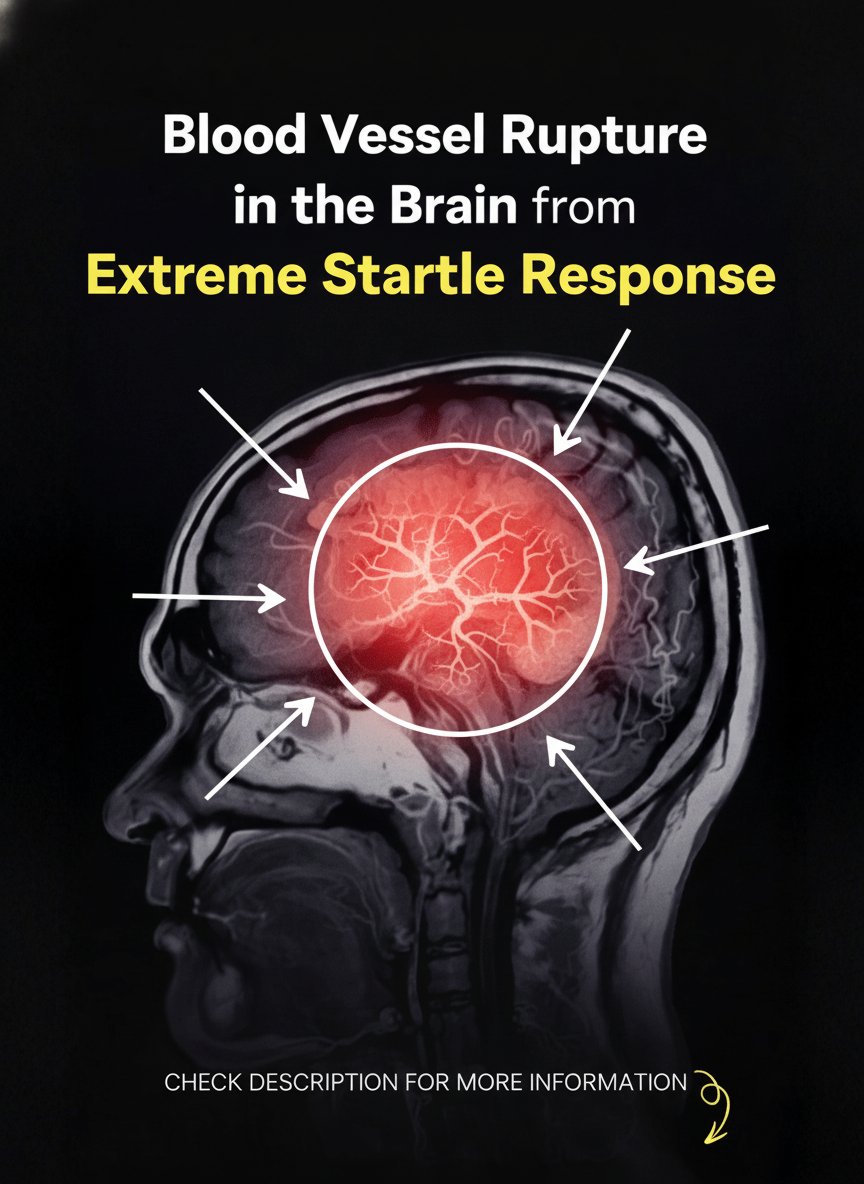
8 Common Activities That Can Cause Sudden Blood Pressure Spikes
Here are eight everyday situations identified by research as potential culprits for rapid blood pressure increases, which can unduly stress your brain’s blood vessels. Many are surprisingly simple to modify or avoid:
- Suddenly Lifting Something Very Heavy: Abruptly picking up a heavy object—be it groceries, furniture, or weights—can cause an immediate blood pressure jump. This often happens because you instinctively tense your body and hold your breath (a maneuver similar to Valsalva), creating a rapid pressure buildup within your system.
- Straining Hard During Bowel Movements: Excessive straining, particularly when dealing with hard stools or chronic constipation, mimics a forceful push that significantly spikes pressure in your blood vessels. This is a notable trigger because the Valsalva maneuver involved directly transmits pressure to the head.
- Quickly Standing Up from Lying Down: While seemingly harmless, jumping out of bed or quickly standing from a prone position can cause a rapid shift in blood flow and pressure. Your body might experience a brief drop in pressure followed by a rebound, potentially affecting brain circulation and leading to temporary dizziness or lightheadedness.
- Intense Anger or Strong Emotional Outbursts: A sudden burst of rage or extreme stress floods your system with adrenaline, causing blood pressure to spike rapidly. Research consistently links strong emotional responses to increased vessel strain, as this surge puts immediate pressure on vessel walls throughout the body, including those in the brain.
- Jumping into Intense Exercise Without Warming Up: Transitioning from a state of rest directly into vigorous workouts—like sprinting or heavy lifting—without proper preparation can lead to sharp and dangerous pressure increases. Studies indicate that intense, unprepared activity significantly elevates risk, especially if your body isn’t conditioned for it.
- Binge Drinking Alcohol in One Sitting: Consuming a large quantity of alcohol rapidly can temporarily elevate blood pressure and, over time, damage vessel linings. Excessive acute intake is associated with pressure spikes that place considerable stress on the cardiovascular system.
- Chain Smoking or Heavy Smoking Sessions: Nicotine is a potent vasoconstrictor, meaning it narrows blood vessels and raises blood pressure with each cigarette, a risk compounded when smoked back-to-back. While long-term smoking weakens vessel walls, acute, heavy use adds sudden and intense strain.
- Eating Very Salty Foods in Large Amounts: A meal excessively loaded with sodium can trigger a quick blood pressure jump, particularly in individuals who are salt-sensitive. High sodium intake promotes fluid retention, which directly translates to increased pressure within your blood vessels shortly after consumption.
By becoming aware of these common daily activities, you can take proactive steps to protect your cardiovascular and cerebrovascular health. Small changes in habit can lead to significant benefits in preventing sudden blood pressure surges and reducing stress on your brain’s vital blood vessels.