 By admin
 Sepsis in Seniors: 5 Subtle Warning Signs You Can’t Afford to Miss (And Why Rapid Response Saves Lives)
It’s a common scenario: an elderly family member seems a bit more disoriented than usual, or dismisses profound fatigue as merely “part of getting older.” Such seemingly minor shifts are often overlooked in the daily lives of seniors, frequently attributed to the natural aging process or a passing ailment. Yet, what might begin as a straightforward infection can swiftly escalate into sepsis—a grave condition where the body’s immune reaction to an infection becomes dangerously overactive, potentially leading to organ damage and becoming life-threatening. Data from reputable bodies like the CDC and Mayo Clinic reveal that individuals over 65 face a significantly higher risk, up to 13 times greater, of being hospitalized due to sepsis compared to younger demographics. The encouraging news is that identifying these critical warning signs early can dramatically influence the outcome, paving the way for immediate and effective medical intervention. This comprehensive guide will illuminate five crucial sepsis indicators that are frequently missed by seniors and their caregivers, along with actionable strategies to enhance vigilance and safeguard well-being.
Why Sepsis Hits Seniors Harder
The aging process inherently diminishes the robustness of our immune defenses, rendering older adults more susceptible to infections that might otherwise be minor. Everyday health issues, such as urinary tract infections (UTIs), pneumonia, or even seemingly insignificant skin abrasions, can unfortunately serve as gateways for sepsis. A critical challenge in elderly sepsis detection is the prevalence of “atypical” or “silent” symptom presentations. Unlike younger individuals, seniors may not exhibit a high fever; instead, their bodies might signal distress through more subtle, less obvious changes. This makes prompt recognition particularly difficult, underscoring the importance for caregivers and family members to closely monitor daily routines and behavioral patterns for any deviations that could indicate a developing problem. However, there’s even more to understand about these elusive signs…
The 5 Warning Signs of Sepsis Seniors Often Ignore
The following symptoms of sepsis can manifest either progressively or quite abruptly, and critically, they are frequently misattributed to the normal course of aging. Drawing upon expert insights from esteemed organizations such as the Mayo Clinic and Sepsis Alliance, here are five vital warning signs to prioritize in elderly individuals.
Sudden Confusion or Mental Changes
Among the most prevalent and concerning early indicators in older adults is an acute alteration in mental state or cognitive function. This could present as heightened disorientation, difficulty engaging in or tracking conversations, uncharacteristic drowsiness, or significant trouble rousing from sleep. It’s crucial to understand that these are far more than mere “senior moments”; they often represent the body’s urgent signal that a severe underlying issue, such as an infection leading to sepsis, is developing. For the elderly, confusion frequently precedes other more overt physical symptoms, positioning it as an absolutely critical sign that demands immediate attention.
Unusual Tiredness or Extreme Weakness
Experiencing an uncharacteristic sense of exhaustion, profound weakness, or an inability to leave bed is not simply the result of a demanding day or normal aging. When such overwhelming lethargy accompanies other changes, it strongly suggests the body is intensely battling an infection. While many older individuals might dismiss this as a consequence of age or insufficient sleep, a rapid onset of overwhelming fatigue warrants serious medical evaluation, as it can be a significant symptom of systemic infection.
Changes in Body Temperature
Monitoring body temperature is essential, though its interpretation in seniors can be complex. A temperature exceeding 100.4°F (38°C) is a clear fever, but critically, a lower-than-normal reading (below 96.8°F or 36°C) can be an equally alarming sign of sepsis in older adults. Unlike younger individuals, many seniors may not mount a typical febrile response; instead, hypothermia (abnormally low body temperature) is a frequent presentation. Complementary indicators include persistent chills, uncontrollable shivering, or feeling profoundly cold even in warm environments. These atypical temperature fluctuations underscore the unique way the aging immune system reacts to severe infection.
Rapid Breathing or Shortness of Breath
An accelerated breathing rate, specifically more than 20 breaths per minute while at rest, or experiencing shortness of breath without physical exertion, represents a classic red flag for sepsis. Observers might note shallow, rapid respirations or even audible grunting. This physiological response indicates the body’s struggle to compensate for insufficient oxygen levels or significant organ stress. Unfortunately, this crucial symptom is frequently dismissed as merely “getting winded” during routine daily activities, delaying vital medical assessment.
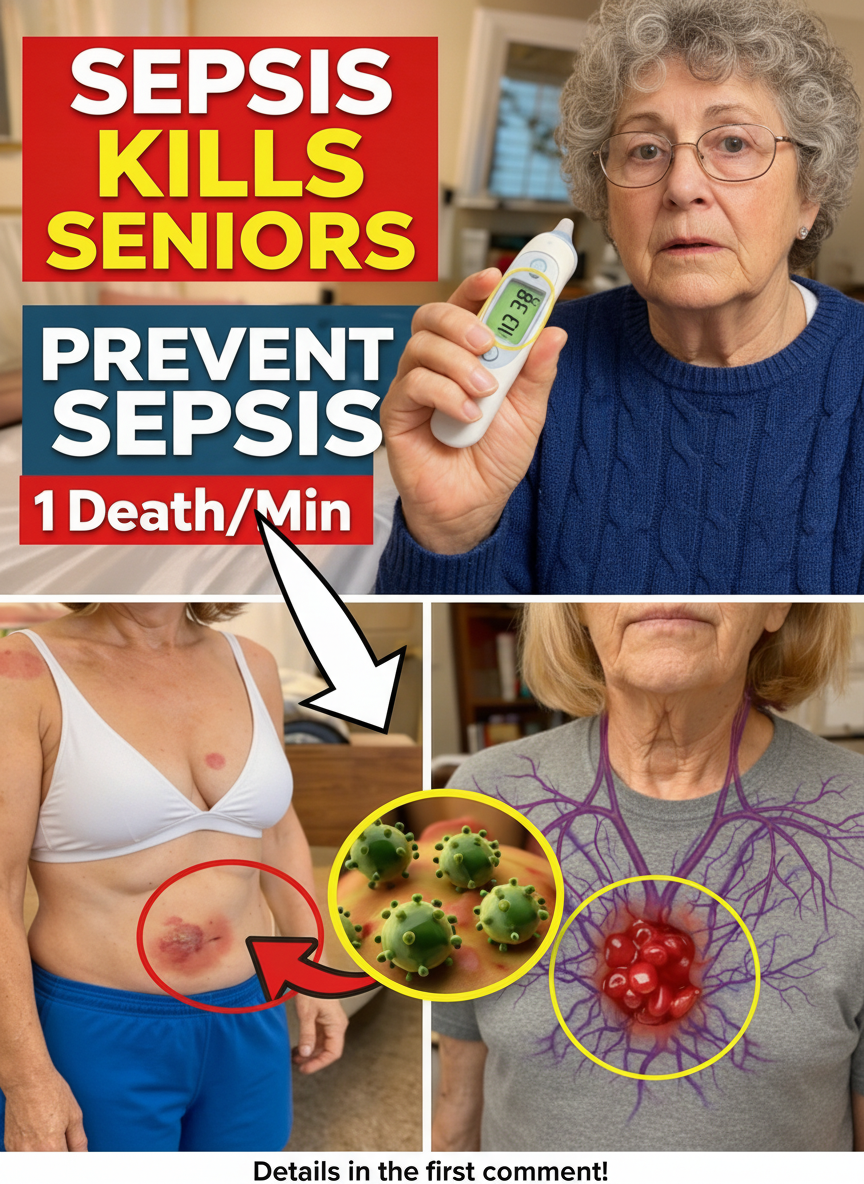
Fast Heart Rate or Other Subtle Clues
A resting heart rate exceeding 90 beats per minute, often described as a ‘racing heart,’ can serve as an early and significant indicator, even in the absence of chest discomfort. Additional subtle yet critical clues may include cool, clammy, or discolored (mottled) skin, a noticeable decrease in urine production, or episodes of dizziness and lightheadedness. These manifestations collectively signal the body’s desperate effort to sustain adequate circulation and vital organ function amidst a severe infection. To help distinguish concerning symptoms from typical aging, consider this comparison:
Normal Aging Fatigue: Typically waxes and wanes with adequate rest, not accompanied by sudden mental disorientation.
Potential Sepsis Warning: Characterized by a rapid onset, frequently combined with confusion or significant temperature changes, and shows no improvement with rest.
And now, let’s address a crucial aspect that many people often overlook…
What to Do If You Notice These Signs
Immediate action can be the difference between life and death. If you observe any of these warning signs, particularly if multiple symptoms occur simultaneously, adhere to these critical and actionable steps without delay:
Step 1: Assess Vital Signs. If feasible, check and record crucial vital signs, including body temperature (using a home thermometer), resting breathing rate, and heart rate (via a pulse check). This information is invaluable for medical professionals.
Step 2: Identify Potential Infection Sources. Promptly look for any signs of recent infection, such as new cuts, surgical wounds, existing skin injuries, symptoms of a urinary tract infection, or persistent cough.
Step 3: Seek Urgent Medical Attention. Do not hesitate. Contact a healthcare professional, or proceed directly to an urgent care facility or emergency room immediately. It is imperative not to wait for all possible symptoms to manifest.
Step 4: Provide Comprehensive Medical History. Upon arrival, inform healthcare providers about any recent infections, surgeries, or chronic health conditions the individual may have. This context is vital for rapid diagnosis and treatment.