 By admin
 Senior Wellness: 7 Must-Have Vegetables Packed with Essential Minerals
As we age, our bodies undergo numerous changes, and maintaining optimal health becomes increasingly vital. Many older adults occasionally experience subtle shifts – perhaps a persistent feeling of fatigue, muscle cramps, or a general sense that their body isn’t quite as resilient as it once was. While these feelings can be unsettling, they often signal a simple yet crucial factor: a potential deficiency in essential minerals.
It’s easy to overlook the foundational role of daily nutrition, but consistently missing key minerals from our diet can gradually impact how we feel and function. The good news is that nature provides an abundance of common vegetables rich in these very minerals, offering a straightforward path to support normal bodily processes, boost energy levels, and enhance overall well-being. By exploring these seven powerhouse vegetables, you might just discover simple additions that can significantly uplift your daily routine.
Spinach: A Magnesium Powerhouse for Muscle and Energy
Spinach has long been celebrated as one of the most nutrient-dense leafy greens available. While many seniors remember it from childhood meals, its nutritional significance only grows with age. Among its many benefits, spinach is an excellent source of magnesium, a mineral crucial for hundreds of biochemical reactions within the body.
Magnesium plays a pivotal role in supporting normal muscle function, helping with relaxation and preventing discomfort. It’s also fundamental for energy production, converting food into usable energy that keeps you feeling vital. Beyond magnesium, spinach provides a wealth of antioxidants and vitamins that contribute to comprehensive wellness and cellular protection.
Simple ways seniors can effortlessly incorporate spinach into their daily diet include:
- Adding fresh spinach leaves to morning omelets or scrambled eggs.
- Blending it into fruit or vegetable smoothies for an undetectable nutrient boost.
- Stirring it into soups, stews, or warm pasta dishes just before serving.
- Using it as a vibrant and nutritious base for light salads.
Remember, consistent, smaller portions often yield greater benefits than sporadic, large servings.
Celery: A Hydration Hero and Natural Electrolyte Source
When the term ‘sodium’ comes up, many immediately think of table salt. However, vegetables like celery naturally contain small, beneficial amounts of sodium. This natural sodium acts as an electrolyte, which is essential for maintaining proper hydration balance, regulating fluid levels, and facilitating effective nerve communication throughout the body.
Celery is particularly appealing for older adults due to its:
- Light and easily digestible texture.
- Remarkably high water content, aiding in hydration.
- Naturally refreshing and crisp flavor.
- Versatility, making it simple to integrate into daily meals.
Beyond its hydrating properties, celery also contains unique plant compounds that are currently being researched for their potential contributions to overall wellness, particularly in supporting healthy circulation. Many seniors find celery easiest to enjoy in:
- Homemade vegetable broths and soups.
- Freshly pressed juices combined with other fruits and vegetables.
- Crisp, light salads for added crunch and nutrients.
- Healthy snack plates, often paired with hummus or nut butter.
Kale: A Bone Health Champion Rich in Calcium
In recent years, kale has soared in popularity as a superfood, and for good reason. For seniors, one of kale’s standout minerals is calcium. While dairy products are frequently highlighted as calcium sources, leafy greens like kale also offer this vital mineral, which is fundamental for maintaining strong bone structure and supporting normal muscle contraction.
But kale’s benefits extend further. It also provides a significant amount of vitamin K, which is crucial for bone health and proper blood clotting. Additionally, its rich antioxidant profile helps bolster the body’s natural protective systems against cellular damage.
Given kale’s sometimes robust flavor, many seniors prefer to enjoy it in gentler preparations, such as:
- Lightly sautéed with a touch of garlic and olive oil.
- Added to hearty vegetable soups, where its flavor mellows.
- Mixed with milder greens like spinach in salads to balance the taste.
- Blended into green smoothies, often with fruit to mask its intensity.
The goal is to aim for balance in your diet rather than striving for unattainable perfection.
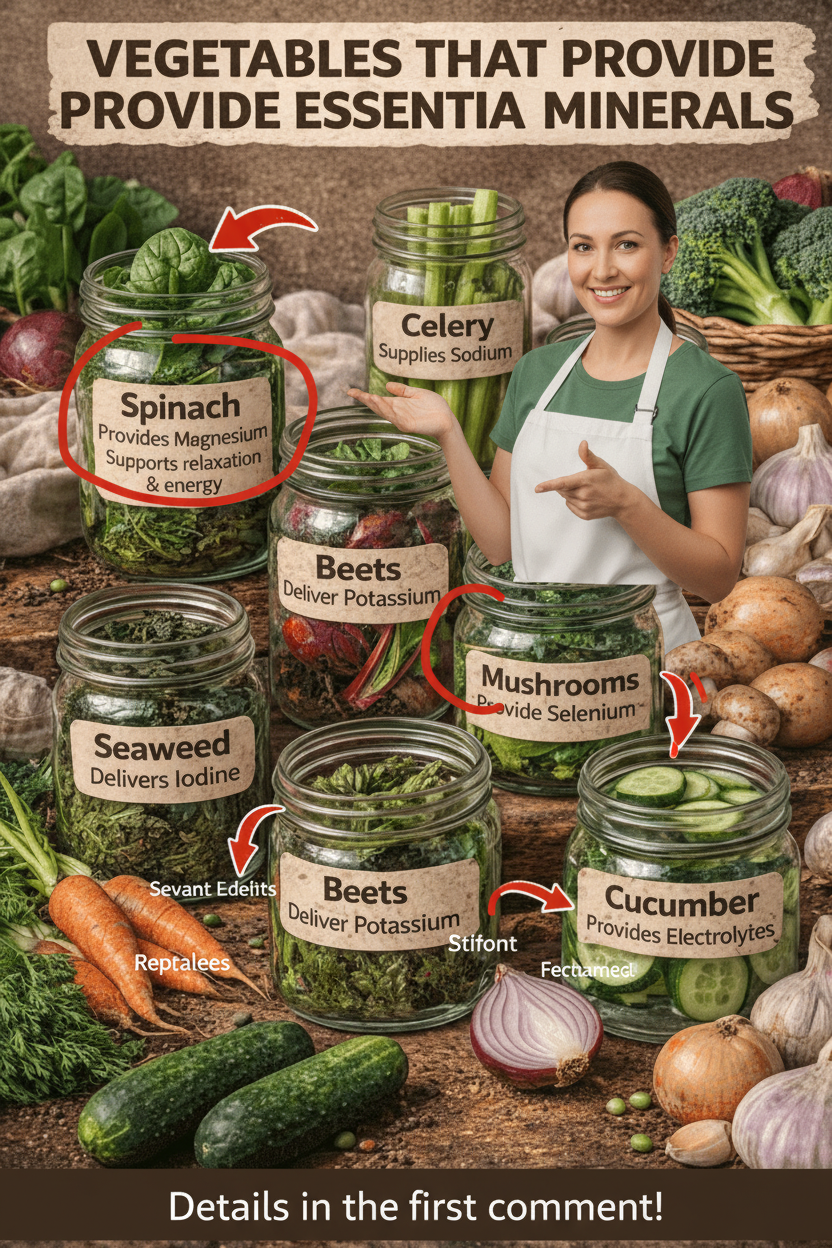
Beets: A Circulatory Support Star and Potassium Powerhouse
Beets are vibrant, earthy vegetables with a long history in traditional diets. Modern nutrition experts are increasingly recognizing them for their impressive potassium content. Potassium is a critical mineral that plays a key role in maintaining normal muscle and nerve activity, as well as helping to regulate blood pressure and fluid balance.
Potassium is frequently emphasized in dietary recommendations for older adults seeking to support cardiovascular health. However, there’s more to beets than just potassium. They also contain natural compounds called nitrates, which researchers are actively exploring for their beneficial relationship with circulation and physical endurance, potentially enhancing blood flow and stamina.
Many seniors enjoy beets prepared in various delicious ways:
- Roasted alongside other root vegetables for a sweet, caramelized flavor.
- Grated raw into fresh salads for color and crunch.
- Blended into smoothies, often with berries, for a nutrient-packed drink.
- Used to make homemade juices, sometimes combined with apple or ginger.
The striking color of beets alone can often make meals feel more appealing and enjoyable.
Mushrooms: Unique Immunity Boosters with Selenium and Vitamin D
While botanically classified as fungi, mushrooms are commonly grouped with vegetables in culinary and nutritional contexts. They are a unique source of selenium, a trace mineral that significantly contributes to the body’s natural antioxidant defenses. Selenium helps the body combat oxidative stress, a process often linked by researchers to healthy aging and cellular longevity.
Another fascinating aspect of mushrooms is their potential to provide vitamin D. They are one of the few plant-based foods that can synthesize small amounts of vitamin D when exposed to ultraviolet (UV) light, similar to how human skin produces it from sunlight. Vitamin D is vital for bone health, immune function, and overall well-being, especially for seniors who may have reduced sun exposure.
Common and delicious ways seniors can add mushrooms to their meals include:
- Stir-frying them with other vegetables for a quick and healthy side dish.
- Adding sliced mushrooms to soups and stews for an umami depth.
- Mixing them into omelets, frittatas, or scrambled eggs for breakfast or brunch.
- Cooking them with rice dishes, like risottos or pilafs, to enhance flavor and nutrition.
Seaweed: A Natural Provider of Essential Iodine
Often overlooked in Western diets, seaweed is a remarkable marine vegetable that serves as an excellent natural source of iodine. Iodine is a critical trace mineral absolutely essential for the proper functioning of the thyroid gland. The thyroid produces hormones that regulate metabolism, energy levels, and numerous other vital bodily processes, making iodine intake particularly important for maintaining healthy metabolism and cognitive function as we age.
Beyond iodine, various types of seaweed also offer a spectrum of other trace minerals, vitamins, and beneficial fibers that support digestive health and overall vitality. Incorporating seaweed into your diet can be a unique way to diversify your nutrient intake.
Seniors can explore adding seaweed to their meals in forms such as:
- Dried nori sheets, often used for sushi wraps, can be crumbled over salads or soups.
- Wakame or kombu, which can be rehydrated and added to miso soup or other broths.
- Seaweed flakes or granules, sprinkled as a seasoning on various dishes for a savory, umami flavor.
- Using roasted seaweed snacks as a healthy and crunchy alternative to chips.
Conclusion: Cultivating Wellness Through Mindful Choices
Embracing a diet rich in these mineral-packed vegetables is a proactive and delicious step towards supporting senior health and vitality. From spinach bolstering muscle function to seaweed nurturing thyroid health, each vegetable offers unique contributions to your well-being. Small, consistent dietary adjustments can lead to significant improvements in energy, comfort, and overall quality of life.
Remember, a balanced and varied diet is key. While these vegetables are incredibly beneficial, they are part of a larger nutritional picture. Consult with your healthcare provider or a registered dietitian to tailor dietary advice to your specific health needs. Start incorporating these amazing vegetables today, and empower your body with the essential minerals it needs to thrive through every stage of life.