 By admin
 Say Goodbye to Cracked Heels: The Surprising Overnight Routine You Need to Try
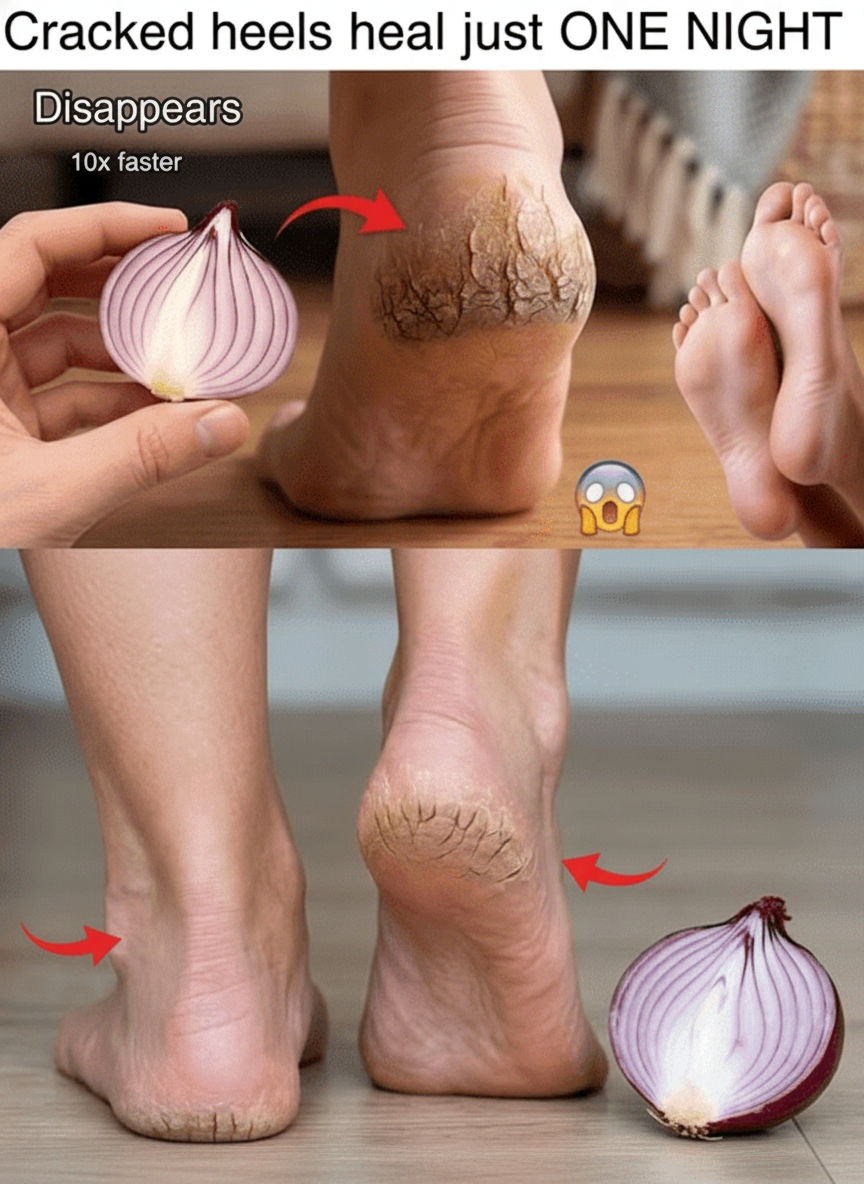
After a long day, you kick off your shoes and suddenly notice them: those deep, dry lines on your heels. Rough, sometimes embarrassing, and often a quiet struggle for many, especially as we age. Cracked heels aren’t just a cosmetic concern; they can become genuinely uncomfortable. The good news? A simple, consistent overnight care habit can make a significant difference, and it involves a surprisingly common kitchen ingredient.
Why Heels Crack: The Age Factor & More
Cracked heels occur when the skin loses its natural elasticity and moisture, leading to splits as the heel expands with movement. This issue becomes more prevalent after 40 because the skin’s outer layer naturally produces fewer oils, making it harder to retain hydration. Common culprits include:
- Standing for extended periods
- Walking barefoot on hard surfaces
- Exposure to cold or dry environments
- Infrequent foot moisturizing
- Wearing open-back shoes or sandals
Everyday Habits Making Things Worse
Many daily routines unknowingly strip moisture from your skin, exacerbating the problem:
- Washing feet with excessively hot water
- Skipping moisturizer post-bath or shower
- Using harsh, drying soaps
- Neglecting to exfoliate dead skin buildup
Small adjustments to these habits can yield surprisingly big results.
The Unexpected Ingredient: Why Kitchen Wisdom Matters
Traditional home remedies often turn to simple, natural ingredients for skin support. One ingredient that frequently appears in folk routines for skin softness is onion. While it might sound unusual, onions contain natural compounds like sulfur and antioxidants. Research suggests these plant-based substances may contribute to skin barrier balance and hydration when applied topically as part of a gentle mixture.
Important note: No single home ingredient is an instant cure for skin conditions. However, certain ingredients can help soften dry skin when integrated into a consistent moisturizing regimen. This is where our overnight routine comes in.
Your Simple Overnight Heel Repair Routine
Ready to try a simple, effective habit? Here’s the overnight regimen many people find beneficial:
-
Warm Foot Soak
Soak your feet in warm water for 10-15 minutes. This softens dry skin and loosens dead cells. You can add a small amount of mild soap or a pinch of salt.
-
Gentle Exfoliation
After soaking, gently rub your heels with a pumice stone or a soft foot file. The aim is to remove loose, dry skin, not to scrub aggressively.
-
Moisture Support Blend
Some people apply a natural mixture of crushed onion juice (from a small amount of onion) blended with a spoon of coconut oil or olive oil. The oil helps seal in moisture, while the onion juice is traditionally believed to support skin softness. Gently massage this blend into the heel area.
-
Cotton Socks Overnight
Before bed, slip on a pair of soft cotton socks. This crucial step helps lock in moisture, prevents evaporation, and allows your skin to absorb the hydrating benefits throughout the night.
The secret to success isn’t just the ingredients; it’s consistency. Even dermatology studies confirm that regular overnight moisturizing significantly improves the appearance of dry heels.
Long-Term Heel Health: Daily Habits for Lasting Smoothness
For enduring improvement, integrate these small daily habits into your routine:
- Apply a good moisturizer after every shower or bath.
- Wear supportive shoes with cushioned heels.
- Stay hydrated by drinking enough water throughout the day.
- Use gentle exfoliation once or twice a week.
Conversely, try to reduce these habits that hinder heel health:
- Walking barefoot on hard floors.
- Using very hot water on your feet.
- Ignoring dryness until cracks become severe.
Remember, diet also plays a role. Nutrients like Vitamin A, Vitamin E, and Omega-3 fatty acids support skin health and hydration from within.
Quick Summary: Care vs. Neglect
- Daily moisturizing: Softer, more flexible skin
- Occasional exfoliation: Less dead skin buildup
- Wearing proper shoes: Reduced pressure on heels
- Ignoring dryness: Thickened, cracked skin
- Walking barefoot often: Increased heel stress
By adopting these simple, consistent habits, you can transform your dry, cracked heels into smooth, healthy skin, allowing you to walk comfortably and confidently.