 By admin
 Introduction: The Silent Threat Many Overlook
Imagine a typical evening: an older adult, perhaps a grandparent, dismisses persistent fatigue or swollen ankles as ‘just part of getting older.’ This scenario is all too common. Many individuals, especially those over 50, unknowingly live with gradually declining kidney function. The kidneys, vital organs often called the body’s silent filters, can lose efficiency without obvious symptoms until the problem becomes significant. Early indicators like unexplained tiredness, swelling in the extremities, or changes in urination patterns often emerge subtly, making it easy to overlook them until the situation demands urgent attention.
The good news, however, is empowering: proactive daily habits can play a crucial role in maintaining optimal kidney wellness and overall vitality. This comprehensive guide will delve into the importance of kidney health, particularly as we age. We’ll examine a popular “kitchen habit” often discussed online, separating fact from fiction. Most importantly, you will discover actionable, evidence-based lifestyle strategies to support your kidneys every day. Towards the end, we’ll highlight a critical, yet frequently underestimated, habit that can make a profound difference.
Understanding Kidney Health: Why It’s Crucial for Older Adults
Often likened to the body’s sophisticated purification plant, your two bean-shaped kidneys tirelessly filter approximately 120-150 quarts of blood daily. Their essential functions include removing waste products, regulating fluid levels, and helping to maintain stable blood pressure. With age, particularly after reaching 50, the natural efficiency of these vital organs can gradually diminish. Public health studies indicate a potential decline in the glomerular filtration rate (GFR), a key measure of kidney function, as individuals get older.
Several prevalent health conditions and lifestyle factors place additional stress on the kidneys, accelerating this natural aging process:
- Uncontrolled high blood pressure
- Persistently elevated blood sugar (diabetes)
- Chronic dehydration
- Diets high in sodium
- Regular use of certain medications
A critical point many overlook is the insidious nature of kidney problems. Often, significant damage occurs without noticeable symptoms. Individuals may feel perfectly healthy until the condition has advanced. When symptoms do appear, they can be subtle:
- Persistent swelling in the feet, ankles, or legs
- Unusual or chronic fatigue
- Urine that appears foamy
- Increased frequency of urination, especially at night
It’s important to stress that experiencing these symptoms does not automatically confirm kidney disease. A definitive diagnosis of kidney function requires comprehensive evaluation and testing by qualified medical professionals. Nevertheless, adopting healthy daily lifestyle habits can significantly support kidney health and potentially mitigate risk factors.
Debunking the “Honey for Kidneys” Trend: What Science Says
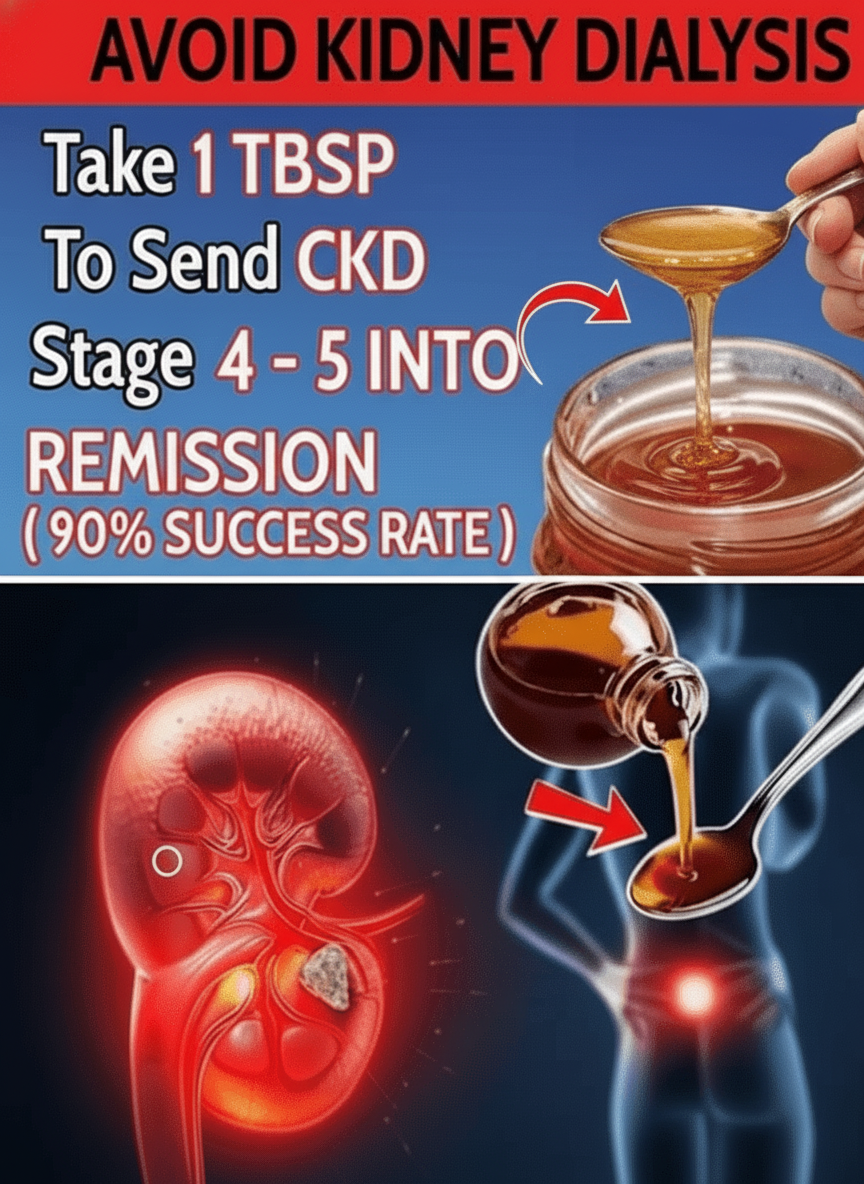
In the age of viral health trends, a popular notion circulating on social media suggests that consuming a single tablespoon of honey daily can significantly boost kidney health. This idea gains traction quickly due to its perceived simplicity and natural appeal. However, it’s crucial to examine these claims with a discerning eye and consult scientific evidence.
Honey, a natural sweetener, does indeed contain beneficial components:
- Antioxidants
- Trace amounts of minerals
- Natural sugars (fructose, glucose)
Laboratory research has indicated that antioxidant-rich foods can contribute to the body’s defense mechanisms against oxidative stress, which is a factor in various health conditions. Yet, despite these promising properties, there is currently no robust scientific evidence to support the claim that honey, when taken in isolation, can prevent, reverse, or significantly alter advanced kidney conditions. It certainly cannot serve as a substitute for professional medical treatment or prescribed medications.
So, why does this “honey habit” remain a popular topic? The explanation might be more about context than the honey itself. Often, individuals who adopt a daily honey habit are simultaneously making other positive lifestyle changes – incorporating more natural foods, prioritizing hydration, and striving for a balanced diet. In such cases, the perceived benefits might stem from these broader, healthier routines rather than honey acting as a singular magical cure. Essentially, the honey habit often serves as a catalyst for a more health-conscious approach to life.
Evidence-Based Strategies: What Truly Supports Kidney Wellness Daily
The unequivocal truth, consistently underscored by medical professionals and global health organizations, is that sustained kidney wellness stems from a holistic approach of consistent daily choices, not reliance on any single food or supplement. Scientific research points to several fundamental lifestyle habits that are profoundly beneficial:
-
Prioritize Optimal Hydration
Adequate water intake is paramount for kidney function. It enables these organs to efficiently filter waste products and maintain fluid balance. Many adults inadvertently consume insufficient water. A practical guideline from healthcare providers: sip water consistently throughout the day rather than attempting to drink large volumes infrequently. Remember, thirst is often a sign that you’re already mildly dehydrated.
-
Minimize Sodium Intake
Excessive dietary sodium can elevate blood pressure and place undue strain on the kidneys. Be mindful of hidden salt in common processed foods, such as:
- Cured and processed meats (e.g., deli meats, bacon)
- Pre-packaged snacks (e.g., chips, crackers)
- Instant meals and ready-to-eat foods
- Many canned soups and frozen dinners
Opting to cook meals at home, utilizing herbs, spices, and fresh ingredients instead of relying on salt for flavor, can significantly reduce your sodium consumption.
-
Embrace Regular Physical Activity
Consistent physical movement is vital for promoting healthy circulation, maintaining a healthy weight, and supporting overall metabolic health—all factors that indirectly benefit kidney function. Even moderate activities can be impactful:
- Brisk daily walks
- Gentle stretching routines
- Gardening and household chores
- Leisurely cycling
The key lies in consistency; regular, gentle activity often yields greater long-term benefits than sporadic, high-intensity workouts.
-
Effectively Manage Blood Pressure and Blood Sugar
Extensive medical research unequivocally demonstrates a strong correlation between well-controlled blood pressure and stable blood sugar levels and long-term kidney health. Chronic hypertension and diabetes are leading causes of kidney damage. Regular medical check-ups and adherence to prescribed treatments for these conditions are absolutely essential for preventative care.
-
Cultivate Quality Sleep and Stress Management
This is the often-overlooked habit mentioned earlier. Chronic stress and inadequate sleep can have far-reaching negative effects on the body, including contributing to inflammation and elevated blood pressure, both of which can indirectly impact kidney function. Prioritizing 7-9 hours of quality sleep per night and adopting stress-reduction techniques (such as mindfulness, meditation, or spending time in nature) are crucial, yet often underestimated, components of a comprehensive kidney wellness strategy.
Conclusion: Empowering Your Kidney Health Journey
Maintaining healthy kidneys as you age doesn’t require complex remedies or viral “magic bullet” solutions. Instead, it hinges on a consistent commitment to fundamental, evidence-based lifestyle choices. By prioritizing hydration, managing sodium intake, staying active, controlling blood pressure and blood sugar, and embracing adequate sleep and stress management, older adults can significantly empower their kidney health. Remember, your kidneys work tirelessly for you; a few simple daily habits can ensure they continue to do so for years to come. Always consult with a healthcare professional for personalized advice and regular check-ups regarding your kidney health.