 By admin
 Safeguard Your Smile: Essential Daily Habits to Protect Tooth Enamel and Prevent Cavities
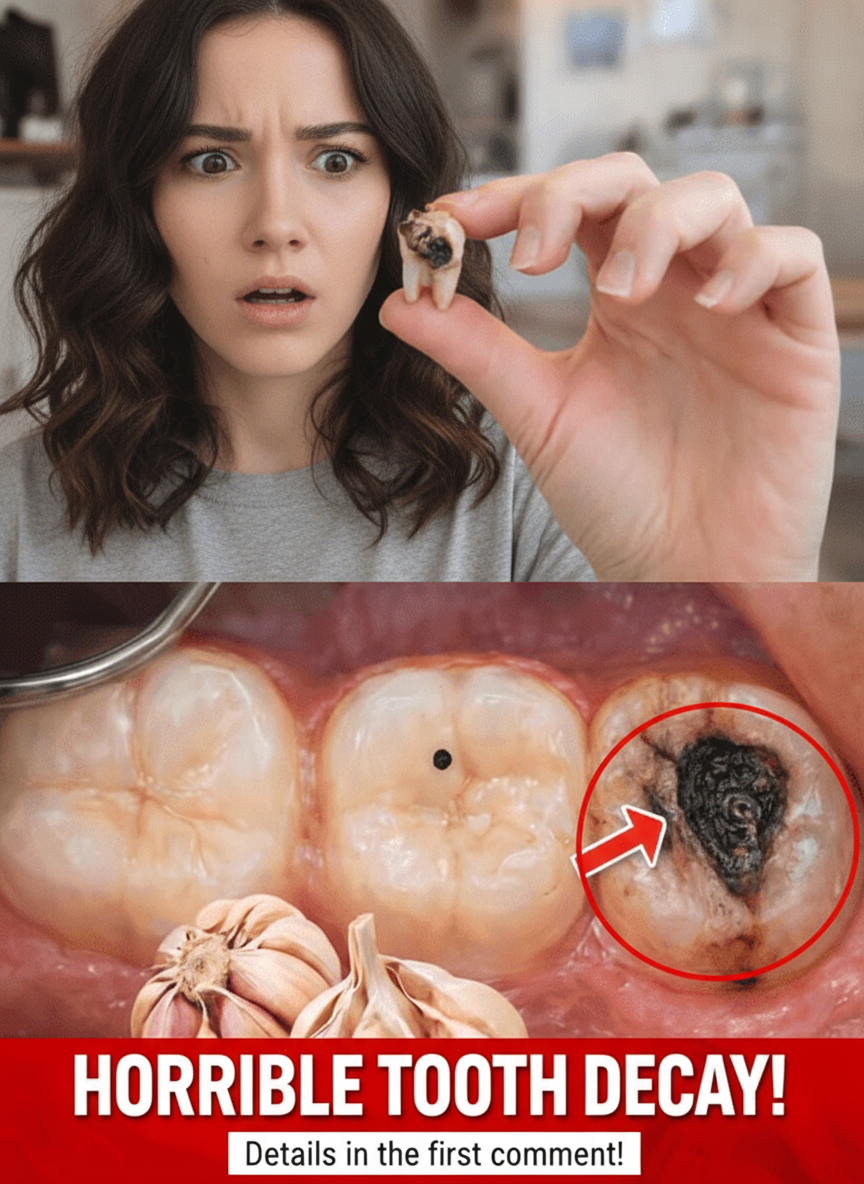
Imagine a peaceful dinner suddenly interrupted by a jarring sensation – perhaps a slight roughness on a tooth, or later, a tiny dark spot appearing in the mirror. An unsettling question might arise: could this be the initial sign of a cavity? While many adults tend to overlook these subtle warnings until discomfort necessitates a dental visit, the reality is that consistent daily habits are profoundly effective in strengthening tooth enamel and mitigating early damage before it escalates. Furthermore, as you read on, you’ll uncover a surprisingly straightforward kitchen practice that many dental professionals discreetly endorse for maintaining optimal oral health.
The Silent Onset of Tooth Decay: Why Cavities Often Go Unnoticed
Contrary to popular belief, cavities rarely materialize overnight. Instead, tooth decay typically progresses gradually. Your teeth are fortified by enamel, the toughest substance found in the human body. However, this vital protective layer faces relentless daily assaults from acids generated by oral bacteria. When sugary foods or starchy residues linger on your teeth, these bacteria metabolize them, producing corrosive acids. Over time, this acidic environment erodes the mineral structure of your enamel, initiating damage that is initially almost imperceptible. Early indicators might include:
- A subtle white or dark discoloration on the tooth surface
- Increased sensitivity to cold beverages or foods
- A slightly uneven texture when your tongue glides over the tooth
- Food occasionally getting lodged in a particular spot
Yet, here’s a crucial insight: contemporary dental research indicates that very early enamel alterations can be reversed through remineralization. This natural biological process involves minerals like calcium and phosphate actively fortifying and repairing weakened areas. However, this reparative ability is effective only in the nascent stages of decay. Once a distinct hole or lesion forms in the tooth, professional dental intervention becomes indispensable. Therefore, the primary objective is straightforward: to bolster your enamel proactively, preventing damage from becoming irreversible.
Nourishing Your Smile: The Role of Natural Foods in Enamel Support
Certain dietary choices contain compounds that can significantly contribute to maintaining excellent oral hygiene and fostering a balanced microbial environment in your mouth. A prime example is garlic. This potent ingredient contains allicin, a natural compound extensively studied for its powerful antimicrobial properties. Evidence suggests that incorporating garlic, as part of a comprehensive oral care routine, may help in reducing harmful oral bacteria. Nevertheless, garlic is just one element of a broader nutritional strategy. Other beneficial foods include:
- Crisp vegetables such as carrots and celery, which naturally scrub teeth
- Dairy products, excellent sources of enamel-strengthening calcium
- Green tea, rich in beneficial natural antioxidants
- Garlic and onions, both renowned for their inherent antibacterial compounds
Why is this dietary approach so important? Your mouth hosts hundreds of distinct bacterial species. The aim isn’t to eradicate all of them, but rather to cultivate a harmonious balance. While some foods inadvertently promote the proliferation of detrimental bacteria, others actively contribute to an environment that is more conducive to healthy enamel. It’s vital to remember a point often overlooked: even the most beneficial natural foods are complements to, not substitutes for, consistent brushing and flossing. They synergize with proper oral care habits to deliver optimal results.
Simple, Yet Powerful: Daily Habits for Robust Teeth
This section addresses a common pitfall where many inadvertently compromise their dental well-being. It’s the consistent, small daily actions that wield far greater influence than sporadic, intensive treatments. Here are several dentist-approved practices vital for sustaining strong enamel and preventing cavities:
- Brush Gently, But Thoroughly and Consistently: Brushing twice daily is fundamental for dislodging plaque before oral bacteria can generate damaging acids. Always use a soft-bristled toothbrush and employ a gentle, circular motion. Aggressive brushing can paradoxically erode your precious enamel.
- Never Skip Flossing: Food particles lodged between teeth provide a feast for bacteria in areas your toothbrush simply cannot reach. Daily flossing is crucial for removing these hidden debris and preventing interdental decay.
- Rinse After Sugary Indulgences: Even a simple swish of plain water after consuming sweets can significantly help in neutralizing acid levels within your mouth, mitigating their corrosive effects.
- Allow Your Teeth Recovery Time: Constant snacking keeps acid levels elevated throughout the day, leaving enamel perpetually vulnerable. Structuring your meals with adequate time in between allows your saliva to naturally cleanse and remineralize your teeth. Speaking of which, saliva itself is one of your body’s most potent natural defenses against cavity formation.
An Accessible Home Routine Endorsed by Dental Experts
For generations, many households have leveraged common kitchen staples to bolster their oral hygiene. A popular and effective method is a mild salt and garlic rinse. Saltwater rinses have a long-standing reputation for promoting oral comfort and cleanliness. Garlic, as mentioned, contains natural compounds that can help in reducing certain harmful bacteria in the mouth. Here’s how you can prepare and use this gentle home routine:
- Step 1: Begin by crushing one small garlic clove and thoroughly mixing it with warm water and a modest pinch of salt.
- Step 2: Allow the mixture to sit for several minutes, enabling the active compounds to infuse into the liquid.
- Step 3: Strain the liquid to remove any solid particles, then use the resulting solution as a gentle mouth rinse.
- Step 4: Conclude by rinsing your mouth with plain water to wash away any residual taste.
Important Note: This home routine is intended as a supplementary measure and must not be considered a substitute for regular brushing, flossing, or professional dental care. Always consult your dentist for personalized advice regarding your oral health.