 By admin
 Safeguard Your Breath: 8 Essential Habits for Robust Lung Health
It’s easy to take healthy lungs for granted until simple activities, like climbing a flight of stairs or enjoying a leisurely walk, leave you unexpectedly breathless. While the subtle decline in respiratory function often goes unnoticed, accumulating over years through daily routines, the good news is that proactive steps can significantly bolster your lung health. This article will unveil eight straightforward habits to help your lungs thrive, including one surprising practice that might fundamentally change your approach to breathing.
Nurturing Your Lungs Daily: Why Respiratory Care Becomes Paramount After 50
Your lungs are tireless organs, working around the clock even during sleep, to supply your body with vital oxygen and expel carbon dioxide. This critical gas exchange ensures every cell and organ functions optimally. However, as individuals age, particularly beyond 50, a natural decrease in lung capacity and efficiency often occurs. Respiratory health research indicates that factors such as prolonged environmental exposure, specific lifestyle choices, and reduced physical activity can contribute to a gradual reduction in lung function decade by decade.
In many regions globally, including parts of Latin America, additional stressors like pervasive air pollution, the use of indoor cooking fires without adequate ventilation, and tobacco smoking can place a significant burden on the pulmonary system. It’s crucial to understand that strong, resilient lungs aren’t developed overnight; they are a product of consistent daily habits that support efficient breathing, robust circulation, and a balanced immune response. Fortunately, many of these protective habits are both simple to implement and easily accessible.
Tip 1: Incorporate Daily Walks to Invigorate Your Lungs
One of the most accessible and effective ways to support your pulmonary system is through regular walking. When you engage in a brisk walk, your breathing naturally deepens and becomes more efficient, aiding in the expansion of your lungs and enhancing oxygen delivery throughout your entire body. Studies focusing on older adults consistently demonstrate that consistent, moderate physical activity can help preserve respiratory strength and improve endurance over time.
Simple ways to integrate walking into your routine:
- Aim for 20 to 30 minutes of walking each day.
- Whenever possible, choose natural settings like parks or areas known for cleaner air.
- Maintain a comfortable yet steady pace that elevates your heart rate slightly.
Beyond its direct benefits for the lungs, walking also plays a vital role in maintaining cardiovascular health, which is intrinsically linked to the lungs’ ability to transport oxygen effectively.
Tip 2: Master Simple Breathing Exercises
Breathing exercises are often underestimated yet incredibly powerful tools for lung support. They are instrumental in strengthening the diaphragm, the primary muscle responsible for respiration. Diaphragmatic breathing, also known as belly breathing, is an easy technique to practice:
Steps to practice diaphragmatic breathing:
- Find a comfortable seated position.
- Place one hand gently on your chest and the other on your stomach.
- Inhale slowly and deeply through your nose, allowing your abdomen to expand while keeping your chest relatively still.
- Exhale slowly through your mouth, gently contracting your abdominal muscles.
Committing just five minutes daily to this practice can significantly enhance your breathing awareness and improve lung capacity. Many respiratory therapists highly recommend this technique, especially for older adults.
Tip 3: Minimize Exposure to Smoke and Polluted Environments
The quality of the air you breathe directly impacts your lung health. Chronic exposure to irritants like smoke, chemical fumes, or heavy environmental pollution can inflame and damage your airways, progressively reducing breathing efficiency. Common atmospheric threats include:
- Cigarette smoke (both direct and secondhand)
- Exhaust fumes from vehicles
- Industrial dust and various chemical vapors
- Smoke from indoor cooking or heating without adequate ventilation
Proactive steps for protection:
- Ensure good air circulation by opening windows regularly.
- Utilize exhaust fans when cooking to clear indoor air.
- Avoid strenuous outdoor activities during periods of high air pollution or smog.
Even minor adjustments to your immediate environment can yield substantial benefits for your respiratory system.
Tip 4: Stay Well-Hydrated for Optimal Airway Function
Water does more than simply quench thirst; it is essential for maintaining the delicate, thin layer of fluid that lines your lungs and airways. This crucial fluid facilitates the natural clearance of dust particles, allergens, and mucus, preventing buildup and irritation. Health experts consistently advise regular water intake throughout the day, rather than waiting until thirst sets in.
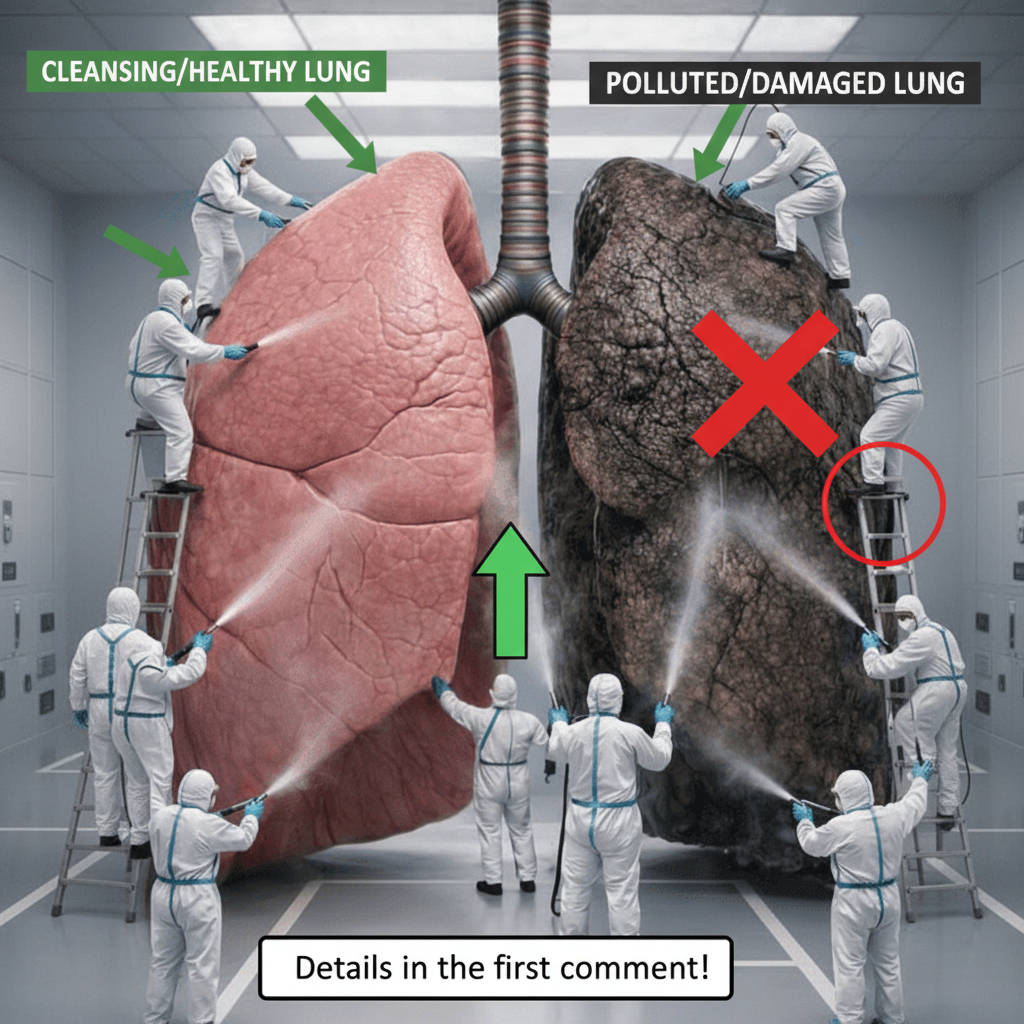
Effective hydration habits:
- Always keep a reusable water bottle within easy reach.
- Start your day with a full glass of water immediately after waking.
- Incorporate water-rich foods, such as fresh fruits and vegetables, into your diet.
Hydration is a remarkably simple yet profoundly powerful daily practice for ensuring respiratory comfort and efficiency.
Tip 5: Fuel Your Lungs with Nutrient-Rich Foods
Nutrition plays a pivotal role in supporting lung function and overall respiratory resilience. Specific nutrients are vital for bolstering immune defenses and mitigating inflammation throughout the body. Research in nutritional science highlights the benefits of antioxidant-rich foods in promoting robust respiratory health. Consider incorporating:
- Citrus fruits, excellent sources of Vitamin C
- Tomatoes and carrots, packed with beneficial carotenoids
- Leafy green vegetables, abundant in plant-based antioxidants
- Nuts and seeds, providing essential healthy fats and Vitamin E
A quick nutritional comparison:
| Food Type | Impact on Lungs |
| Processed foods | May exacerbate inflammation and hinder recovery |
| Fresh fruits and vegetables | Supply protective antioxidants and essential vitamins |
| Sugary drinks | Offer minimal nutritional value and can contribute to inflammation |
| Balanced whole foods | Support overall health, including robust lung function |
Tip 6: Prioritize Quality Sleep for Lung Restoration
Adequate, restorative sleep is fundamental for overall health, including the optimal functioning of your respiratory system. During sleep, your body undergoes repair and regeneration processes. Poor sleep can weaken your immune system, making you more susceptible to respiratory infections, and can also impact the efficiency of your breathing. Aim for 7-9 hours of quality sleep each night to allow your lungs and body to recover and prepare for the day ahead.
Enhance your sleep environment:
- Establish a consistent sleep schedule.
- Ensure your bedroom is dark, quiet, and cool.
- Limit screen time before bed.
Tip 7: Consider Vaccinations and Regular Health Screenings
Preventive care is a cornerstone of long-term lung health. Staying up-to-date with recommended vaccinations, such as the flu shot and pneumonia vaccine (especially for older adults or those with underlying conditions), can significantly reduce your risk of severe respiratory illnesses. Regular check-ups with your doctor allow for early detection and management of any potential lung issues, ensuring that minor concerns don’t escalate into major problems.
Proactive health measures:
- Discuss recommended vaccinations with your healthcare provider.
- Schedule annual physical examinations.
- Report any persistent cough, shortness of breath, or chest discomfort promptly.
Tip 8: Maintain a Healthy Weight to Ease Respiratory Effort
Excess body weight, particularly around the chest and abdomen, can place additional strain on your lungs and diaphragm. This can make it harder for your lungs to fully expand, leading to shallower breathing and reduced oxygen intake. Maintaining a healthy weight through a balanced diet and regular physical activity reduces the workload on your respiratory system, allowing your lungs to function more efficiently and comfortably. It’s a key factor in preventing conditions like sleep apnea and improving overall lung capacity.
Weight management for lung health:
- Adopt a balanced diet rich in whole foods.
- Combine aerobic exercise with strength training.
- Consult a nutritionist or doctor for personalized advice.
The Surprising Habit: Embrace Mindful Breathing and Stress Reduction
Beyond the physical actions, cultivating a calm mind through mindful breathing and stress reduction techniques can profoundly impact your lung health. When stressed, breathing often becomes shallow and rapid, limiting oxygen intake. Practicing mindfulness, meditation, or even singing can encourage deeper, more deliberate breaths, strengthening your diaphragm and improving lung elasticity. This conscious engagement with your breath not only enhances physical lung function but also reduces stress hormones, creating a more harmonious internal environment for your entire respiratory system.
Breathe Easier, Live Better: A Final Thought
Your lungs are essential for life, silently supporting every moment. By integrating these simple yet powerful habits into your daily routine, you’re not just protecting your breath; you’re investing in a lifetime of vitality and well-being. Start today, and give your lungs the care they deserve.