 By admin
 Rice for a Brighter Smile? Unpacking the Viral Trend and Real Dental Advice
That moment when you catch a glimpse of your smile in a photo, only to notice your teeth appear more yellow than you’d like, is a common experience. Many individuals feel self-conscious about their tooth shade but might be hesitant to explore professional dental solutions or costly whitening procedures. This widespread concern has fueled the rapid spread of a peculiar online hack: the claim that ordinary rice can instantly brighten your teeth. However, before considering this viral method, it’s crucial to understand the underlying facts. The reality behind the ‘rice for teeth whitening’ trend is often misrepresented on social media, and the genuine path to a brighter, healthier smile involves insights many tend to overlook until they reach the end of this discussion.
Why the “Rice Teeth Whitening” Trend Became So Popular
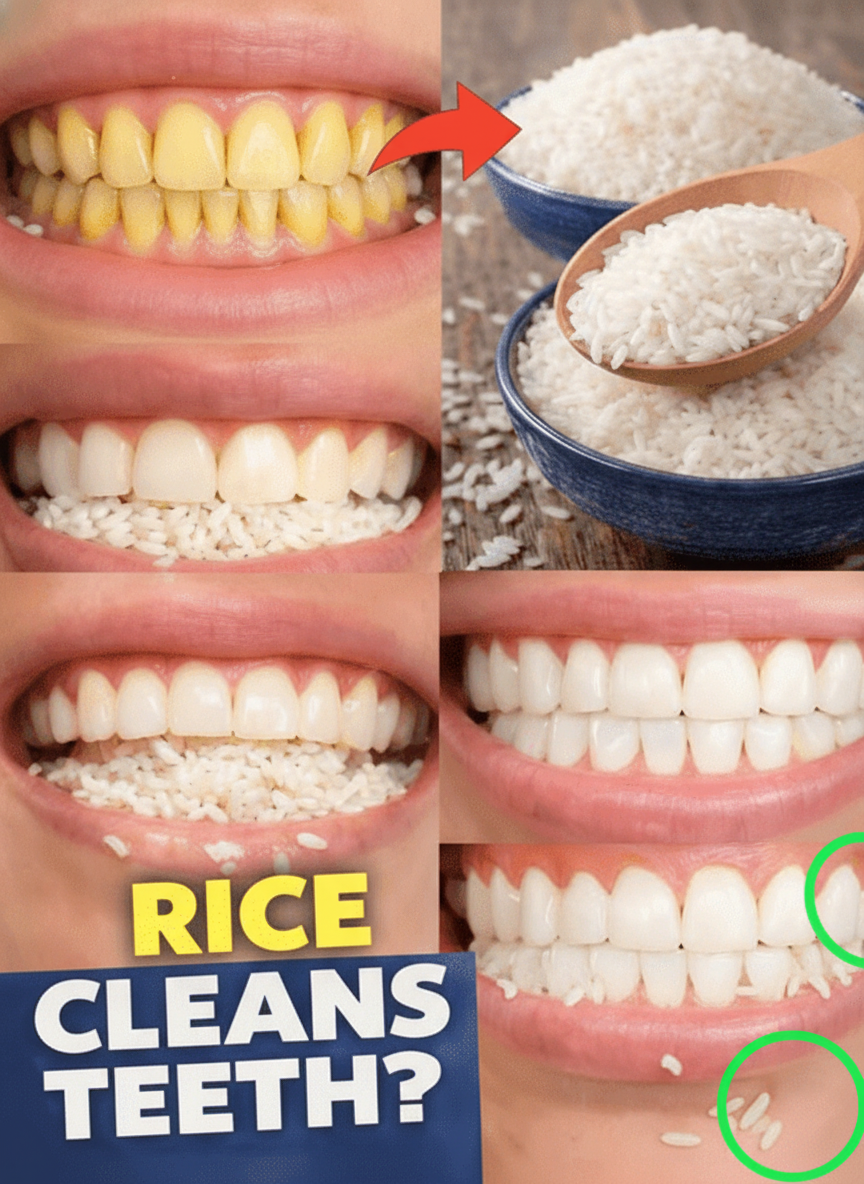
The ‘Rice for Teeth Whitening’ craze has swept across platforms like TikTok, Facebook, and various short video apps, with users showcasing dramatic transformations from yellowed teeth to sparkling white smiles after merely rubbing rice grains. This seemingly miraculous effect is undeniably captivating. The rapid proliferation of this trend can be attributed to several factors: the universal appeal of effortless home remedies, the use of readily available kitchen ingredients, and the perception of rice as a harmless, natural, and cost-effective solution. Yet, this is precisely where a deeper understanding becomes essential.
Dental experts are quick to point out that the stunning visual outcomes in many viral videos are frequently achieved through deceptive lighting, digital filters, or clever editing. In truth, rice lacks any inherent chemical whitening agents found in professional dental products. There is, however, a subtle reason why some individuals perceive it to work: rice grains possess a mild abrasive quality, akin to a gentle scrub. When vigorously rubbed against tooth surfaces, they might temporarily dislodge superficial extrinsic stains. Crucially, this effect is minimal, temporary, and carries significant risks if performed improperly.
What Actually Causes Teeth to Look Yellow
To truly assess the efficacy of methods like the rice hack, it’s vital to first grasp the fundamental causes of tooth discoloration. Teeth undergo natural color changes over a lifetime, primarily due to two distinct factors:
1 Surface Stains
These blemishes form on the outermost layer of the tooth, known as the enamel. They are typically caused by:
- Consuming pigmented beverages like Coffee, Tea, and Red wine.
- Tobacco use (Smoking or chewing).
- Certain dark-colored foods, spices, and sauces.
These surface stains are generally the most responsive to improvement through consistent oral hygiene practices and professional dental cleanings.
2 Natural Aging of Enamel
As we age, the protective enamel layer gradually thins. When this occurs, the underlying dentin, which naturally has a yellowish hue, becomes more pronounced and visible through the translucent enamel. This type of discoloration is a natural part of the aging process, particularly noticeable in adults over 50. While addressing surface stains can offer some cosmetic improvement, no simple at-home remedy can fundamentally alter the intrinsic, internal color of your teeth.
Is Rubbing Rice on Teeth Safe?
This particular section is where individuals contemplating the viral rice trick must exercise extreme caution. Rice grains, despite their commonality, are remarkably hard. When vigorously rubbed against the delicate enamel surface of teeth, they function much like an abrasive sandpaper. This action can lead to microscopic scratches and gradual erosion of the enamel. Dental experts consistently caution against the excessive use of abrasive substances on teeth, primarily because tooth enamel, once worn away, does not regenerate.
The potential risks associated with this practice include:
- Minor enamel scratching
- Increased tooth sensitivity
- Irritated gums
- Trapped rice particles between teeth
While a single, isolated instance of rice touching teeth might not cause immediate catastrophic harm, repeated or aggressive application is strongly discouraged by the vast majority of dental professionals. The fundamental principle remains: if an online solution promises instant, dramatic results, it often neglects crucial safety considerations.
What Actually Helps Teeth Look Brighter
Fortunately, achieving a noticeably brighter and healthier smile doesn’t require risky viral hacks. Instead, it relies on consistent, safe, and scientifically proven practices. Here are the effective strategies that genuinely contribute to a radiant smile over time:
Daily Habits That Support a Brighter Smile
- Brush twice daily with fluoride toothpaste
- Use a soft toothbrush to avoid enamel damage
- Floss once a day to remove plaque between teeth
- Drink water after coffee or tea
- Visit a dental hygienist for professional cleaning
While these habits may seem rudimentary, extensive research consistently demonstrates their paramount importance in sustaining optimal oral health and aesthetics. Furthermore, an often-underestimated ally in maintaining tooth brightness is saliva. Saliva plays a crucial role in naturally rinsing away food debris and staining compounds. Supporting this natural cleansing mechanism by staying well-hydrated and chewing sugar-free gum can significantly aid in preventing stain buildup.
To clearly illustrate the distinction between the viral trick and genuinely effective dental care, here’s a comparative overview:
| Method | What It Does | Safety | Long Term Effect |
|---|---|---|---|
| Rubbing rice on teeth | Mild abrasion of surface stains | Questionable | Very limited |
| Regular brushing | Removes plaque and daily stains | Safe | High benefit |
| Professional cleaning | Removes hardened tartar | Very safe | Strong improvement |
| Whitening toothpaste | Gradual stain reduction | Generally safe | Moderate |
| Dental whitening treatment | Safe (under supervision) | Strong improvement |