 By admin
 Living with rheumatoid arthritis (RA) often means confronting persistent joint discomfort, debilitating morning stiffness, and profound fatigue that transform routine tasks—like opening a jar, walking without pain, or simply getting out of bed—into formidable challenges. These relentless symptoms frequently persist despite rest, significantly impacting energy levels, mood, and personal autonomy, leading to deep frustration. However, continuous research and evolving therapeutic options, encompassing both medications and supportive strategies, are empowering many individuals to achieve superior control over inflammation and enhance their daily comfort. What if staying informed about both established and cutting-edge approaches could unlock a significantly improved quality of life? Continue reading for actionable insights grounded in medical guidelines and recent research findings.
🩺 Understanding Rheumatoid Arthritis and Its Profound Daily Impact
Rheumatoid arthritis is a chronic autoimmune disorder where the body’s immune system erroneously targets the lining of the joints, known as the synovium. This misguided attack triggers inflammation, swelling, and, over time, can lead to irreversible joint damage. According to the American College of Rheumatology (ACR), prompt and consistent management is paramount for decelerating disease progression and preserving joint function. For many, this translates into navigating unpredictable disease flares that disrupt daily routines, alongside chronic tiredness. Scientific studies increasingly demonstrate that precisely targeted treatments can mitigate these adverse effects, thereby helping patients maintain crucial mobility and functional independence.
🔬 Cornerstone Therapies: The Foundation of RA Care
Clinical guidelines from the ACR strongly advocate for initiating treatment with disease-modifying antirheumatic drugs (DMARDs) to address the underlying inflammatory processes. These agents are crucial for altering the disease course:
- Methotrexate: Frequently serving as the initial treatment choice, methotrexate has proven highly effective in slowing disease progression for a substantial number of patients.
- Other Conventional DMARDs: Medications such as leflunomide or sulfasalazine offer valuable alternatives, particularly when methotrexate is not suitable or sufficiently effective.
- Biologic DMARDs: This class includes TNF inhibitors (e.g., etanercept, adalimumab) and IL-6 blockers (e.g., tocilizumab), which specifically target particular immune pathways responsible for inflammation.
- JAK Inhibitors: Oral medications like tofacitinib or upadacitinib present convenient options for individuals grappling with moderate to severe rheumatoid arthritis.
These diverse therapeutic approaches, often utilized in combination, enable many individuals to achieve and sustain low disease activity, significantly improving their prognosis.
🌟 Horizon of Hope: Latest Innovations in RA Management
Medical research in rheumatoid arthritis continues its dynamic evolution, yielding several significant advancements in recent years:
- Biosimilars: These are highly similar, yet more affordable, versions of existing biologic drugs. Their introduction has substantially increased access to proven, effective therapies for more patients globally.
- Vagus Nerve Stimulation: A groundbreaking non-invasive device, approved in 2025, shows promise in modulating inflammation by precisely targeting nerve signals, offering a novel therapeutic pathway.
- Preventive Approaches: Promising studies indicate that certain treatments, such as abatacept, may effectively delay or even prevent the onset of RA in individuals identified as high-risk.
- GLP-1 Agonists: Emerging clinical data suggests that these medications, primarily used for diabetes and obesity, might also contribute to reducing disease flares in certain RA patients, highlighting an intriguing cross-disciplinary benefit.
- Experimental Therapies: Novel compounds, including rosnilimab, are demonstrating significant potential in early-stage trials by specifically targeting and deactivating overactive immune cells responsible for RA inflammation.
These breakthroughs underscore the relentless commitment to refining and expanding the spectrum of care available for rheumatoid arthritis.
❤️ Real Stories: Navigating Life with RA
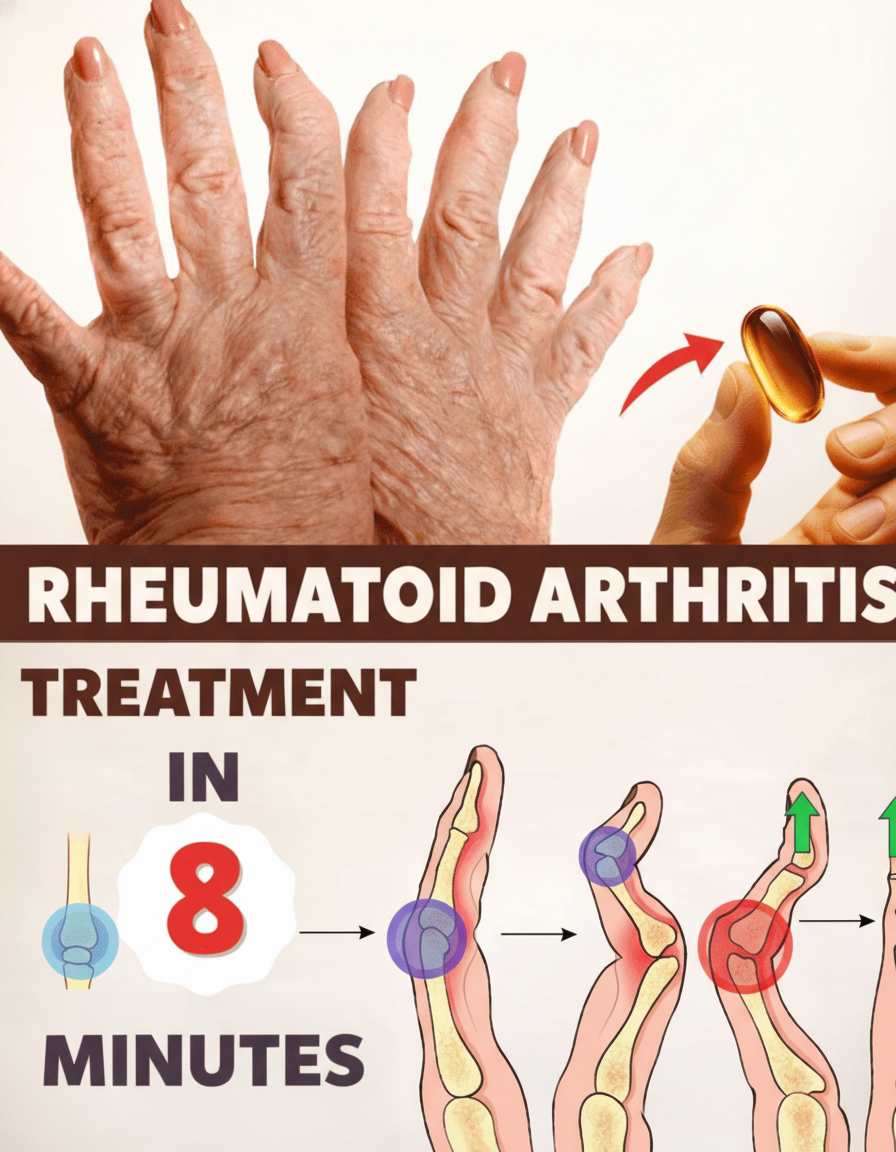
Numerous individuals bravely share how a synergistic combination of medical treatments and strategic lifestyle adjustments has profoundly transformed their journey with RA. For instance, Jane, 55, found remarkable relief when a JAK inhibitor was incorporated into her methotrexate regimen, drastically reducing her morning stiffness and enabling her to enjoy more active days. Similarly, Mark, 62, experienced significant benefits from integrating physical therapy alongside his biologic medication, which helped him regain the confidence and ability to pursue cherished hobbies like gardening. While individual experiences naturally vary, consistent, personalized care consistently correlates with improved long-term outcomes and a higher quality of life.
🥦 Beyond Medication: Holistic Support for RA Wellness
In conjunction with prescribed medications, adopting evidence-based lifestyle habits can significantly enhance overall well-being and complement medical treatments:
- Anti-Inflammatory Nutrition: Embracing a Mediterranean-style diet, rich in vibrant fruits, leafy vegetables, whole grains, and omega-3 fatty acids, can help reduce systemic inflammation.
- Regular Gentle Movement: Engaging in low-impact activities such as swimming, walking, or cycling is crucial for maintaining joint flexibility, strengthening surrounding muscles, and reducing stiffness without undue stress.
- Mindful Stress Reduction: Techniques like mindfulness meditation, deep breathing exercises, or yoga have been consistently linked in studies to a reduction in the frequency and severity of RA flares.
- Prioritizing Quality Sleep: Ensuring adequate, restorative sleep is fundamental for combating the pervasive fatigue associated with RA and supporting the body’s natural healing processes.
- Strategic Joint Protection: Implementing ergonomic tools, pacing activities, and learning proper body mechanics can significantly reduce stress on vulnerable joints, preventing further damage and discomfort.
📊 A Closer Look: Comparing Common RA Treatment Approaches
Understanding the distinctions between various treatment modalities is key to informed decision-making:
| Treatment Type | Examples | Potential Benefits | Considerations |
|---|---|---|---|
| Conventional DMARDs | Methotrexate, hydroxychloroquine | Slows disease progression, often available as convenient oral tablets. | Requires regular monitoring for potential side effects and efficacy. |
| Biologics & Biosimilars | Adalimumab, tocilizumab | Highly targeted action, often very effective for many patients, especially those not responding to conventional DMARDs. | Administered via injection or infusion, carries an increased risk of infection. |
| JAK Inhibitors | Upadacitinib, tofacitinib | Oral administration, can offer relatively rapid symptom relief for certain patients. | Necessitates regular blood tests to monitor safety and potential adverse effects. |
| Emerging Non-Drug Therapies | Vagus nerve device | Offers a non-invasive approach to managing inflammation through neural pathways. | Availability may be limited, and suitability varies based on individual patient profiles. |
| Lifestyle Supports | Diet, exercise, stress management | Enhances overall wellness, generally free of direct pharmacological side effects. | Requires consistent personal commitment and discipline to maintain benefits. |
🚀 Partnering with Your Physician: Essential Conversations
Taking a proactive role in your RA management involves open and regular dialogue with your healthcare provider. Consider these practical steps:
- Review Your Current Status: Discuss your current symptoms, how well your existing treatment regimen is working, and any new challenges you might be facing.
- Inquire About New Options: Ask your doctor about the latest advancements, such as biosimilars, recently approved devices, or novel therapeutic strategies that might be suitable for your specific condition.
- Explore Complementary Strategies: Discuss how integrating lifestyle adjustments, such as dietary changes or specific exercise routines, can further support your medical treatment plan.
- Address Concerns: Don’t hesitate to voice any concerns about side effects, treatment costs, or the emotional impact of living with RA.
By actively engaging with your medical team and staying informed about the evolving landscape of RA treatments, you can foster a path toward better disease control and a significantly improved quality of life.