 By admin
 Every year, snakebite envenoming devastates the lives of hundreds of thousands, particularly impacting communities in rural sub-Saharan Africa. Here, access to timely and effective medical intervention is often severely limited. These traumatic incidents frequently result in debilitating health complications, permanent disabilities, and tragically, a significant number of preventable deaths. Current strategies for managing snakebites typically rely on antivenoms that are highly specific to a single snake species or a narrow group of related species. This specificity creates logistical nightmares, leading to high costs, challenges in stocking appropriate treatments, and inconsistent availability across affected regions. But what if a single therapeutic formulation could provide protection against a much wider array of venoms?
Recent scientific investigations have unveiled an innovative methodology utilizing unique antibodies derived from alpacas and llamas. Early laboratory findings indicate highly promising results. This groundbreaking development does not present a definitive cure or an immediate solution, yet it illuminates an exciting new pathway forward—one that could dramatically streamline supply chains and foster improved health outcomes in vulnerable areas. Join us as we explore the mechanisms behind this novel approach and the reasons why scientists are so optimistic about its future potential.
Understanding the Persistent Global Challenge of Snakebites
Snakebite envenoming continues to be a critical global public health concern, officially classified by the World Health Organization (WHO) as a neglected tropical disease. In sub-Saharan Africa alone, estimates suggest tens of thousands of cases annually, many of which lead to severe tissue damage, limb loss, or fatality. The severity of this problem is exacerbated in remote communities where rapid access to qualified medical assistance is scarce.
Conventional antivenoms are produced by immunizing large animals, such as horses, with specific snake venoms. Their blood is then harvested to extract the protective proteins. While these traditional antivenoms have undeniably saved countless lives, they come with significant limitations:
- Species-Specific Efficacy: Most antivenoms are effective only against venoms from one particular snake family or a limited number of closely related species.
- High Production Costs and Supply Issues: The manufacturing process is resource-intensive, often leading to scarcity and elevated prices.
- Risk of Adverse Reactions: Some patients experience allergic responses or other immune reactions due to the foreign proteins present in the antivenom.
These inherent drawbacks often translate into delayed or inadequate medical care for many individuals in need. Consequently, researchers have long been dedicated to discovering methods for developing broader-spectrum, more dependable treatment options.
The Unexpected Role of Alpacas and Llamas in Pioneering Research
This is where the narrative takes an intriguing turn. Alpacas and llamas, members of the camelid family, naturally produce a distinctive class of antibodies known as heavy-chain-only antibodies. These unique antibodies are considerably smaller and possess a simpler structure compared to the typical antibodies found in humans or horses.
In a recent pivotal study published in the esteemed journal Nature, scientists embarked on an ambitious experiment. They immunized one alpaca and one llama with a complex blend of venoms sourced from 18 medically significant African elapid snakes. This diverse collection included various species of cobras, mambas, and the rinkhals. Over time, these immunized animals successfully generated a vast array of antibodies, some of which exhibited remarkable broad neutralizing capabilities. The research team then systematically carried out the following steps:
- Collected blood samples from the immunized animals.
- Isolated the specific genes responsible for producing the most promising antibodies, often referred to as ‘nanobodies’ due to their diminutive size.
- Screened over 3,000 potential nanobody candidates.
- Selected eight exceptionally effective nanobodies based on their neutralizing power.
- Produced these selected nanobodies recombinantly in bacteria (specifically E. coli) to create a stable, reproducible therapeutic cocktail.
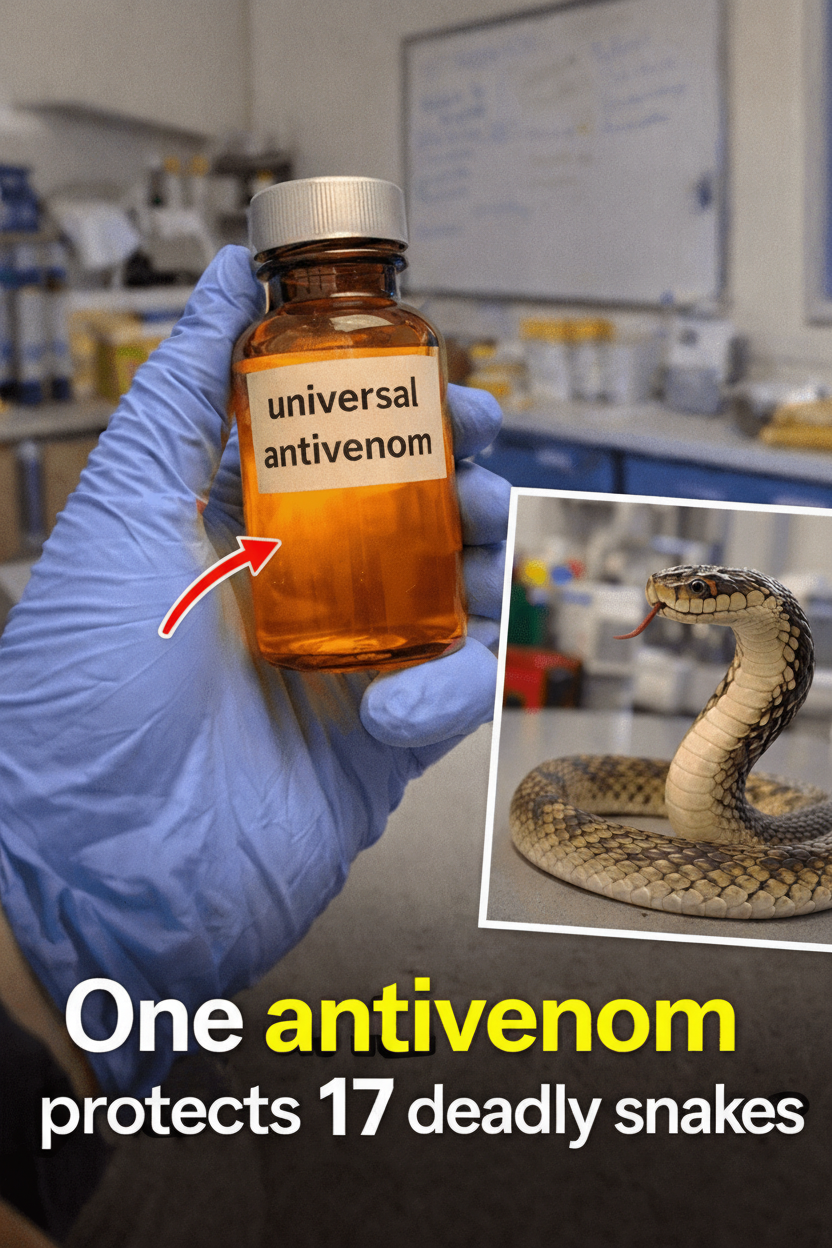
The remarkable findings didn’t stop there. This carefully formulated nanobody mixture demonstrated robust performance in preclinical mouse models. It effectively protected against the lethal effects of venom from 17 out of the 18 species tested and significantly mitigated tissue damage, such as necrosis, typically caused by venoms from spitting cobras and rinkhals.
Comparing This Novel Approach to Conventional Antivenoms
To provide a clearer understanding of this advancement, let’s delineate the key differences between the new nanobody-based strategy and traditional antivenom therapies:
Traditional Antivenoms (e.g., plasma-derived from horses):
- Frequently species-specific or effective against only a limited range of snake types.
- Require large, live animals for continuous production.
- Can induce immune reactions or allergic responses in some patients.
- More challenging to scale up production and maintain long-term storage.
Nanobody-Based Approach (from this research):
- Utilizes a precisely engineered cocktail of just eight nanobodies for extensive broad-spectrum coverage.
- Produced in controlled lab bioreactors, eliminating the ongoing need for immunized animals.
- Smaller antibody size may facilitate better penetration into tissues and potentially reduce the risk of allergic reactions.
- Offers the potential for more consistent production quality and cost-effectiveness at scale.
In laboratory comparisons, the nanobody cocktail notably outperformed a widely used commercial product (Inoserp PAN-AFRICA) in preventing both lethality and skin damage across the majority of tested venoms. It is crucial to underscore that this remains early-stage research; while studies in mouse models are highly encouraging, comprehensive human clinical trials are essential to thoroughly assess dosing, safety profiles, and real-world efficacy.
The Profound Impact for At-Risk Communities
Imagine the transformative potential: rural clinics across Africa equipped with a single, highly reliable, and broad-spectrum formulation to treat diverse snakebites. Such an option could fundamentally revolutionize logistical challenges, drastically reduce medical waste, and significantly expand access to life-saving care for countless individuals. This innovative approach holds the promise of streamlining medical supply chains, making effective snakebite treatment more accessible and affordable, and ultimately saving lives and preventing long-term suffering in some of the world’s most vulnerable regions.