 By admin
 Cancer impacts millions globally, prompting many to seek ways to bolster their health through daily decisions. It’s easy to overlook how seemingly convenient foods in our kitchens might, over time, elevate cancer risk by contributing to inflammation, weight gain, and other factors associated with cellular changes. Examining your diet can be an empowering step, especially when focusing on small, sustainable shifts. The real insight comes from identifying common items research suggests limiting, along with practical, healthier alternatives.
Why Your Diet Matters More Than You Might Think
According to guidelines from the American Cancer Society, your regular diet significantly influences overall cancer risk through various pathways, including excess body weight and chronic inflammation. Major organizations like the World Health Organization have extensively studied these connections, demonstrating that certain dietary patterns are linked to higher risks for specific cancers. This doesn’t mean a single food is the sole culprit, but understanding the broader picture empowers you to make informed decisions. Let’s get practical.
The 10 Foods Research Links to Higher Cancer Risk
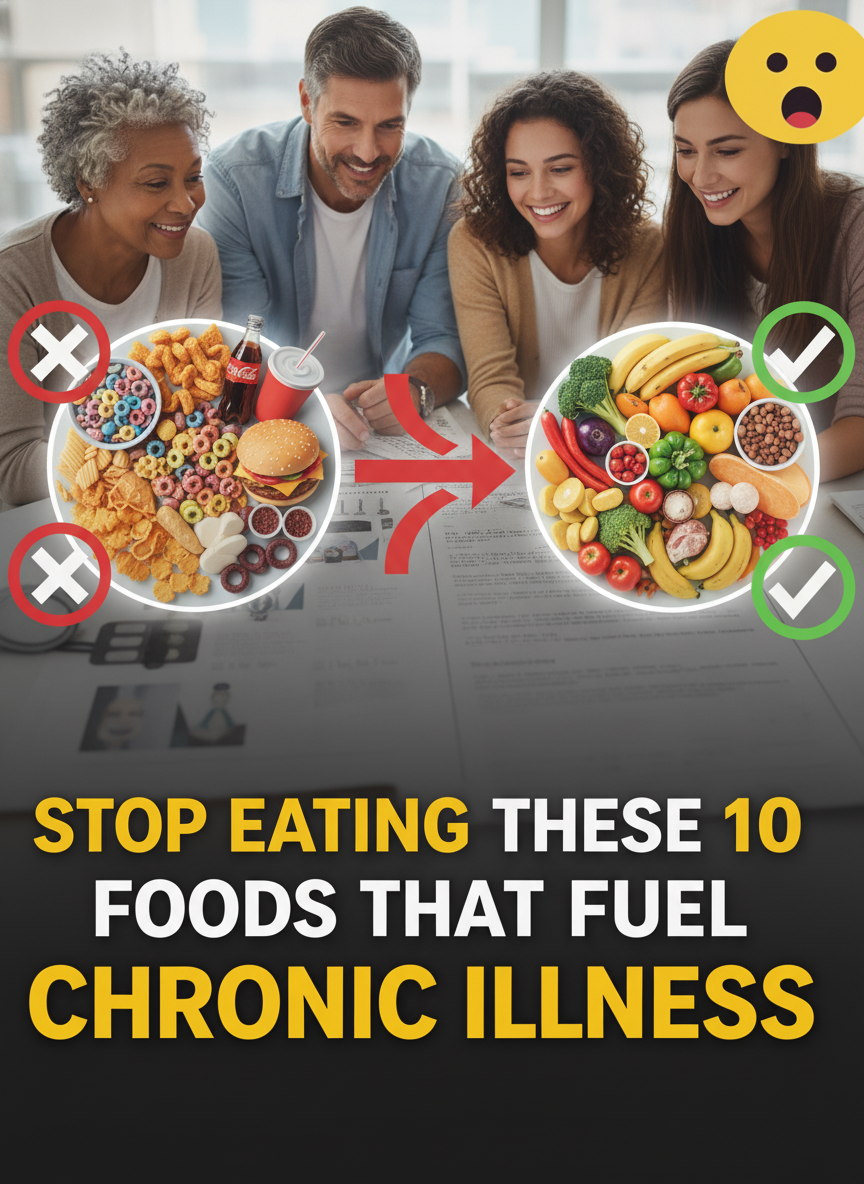
Studies consistently highlight these items as ones to consider reducing for better long-term health. Remember, moderation is often key, and pairing these adjustments with more plant-based choices can make a significant positive difference. Here’s the list, based on evidence from leading health organizations:
- Processed meats (bacon, sausages, hot dogs, deli slices)
- Red meat (beef, pork, lamb)
- Sugary beverages (sodas, sweetened juices)
- Alcohol (beer, wine, spirits)
- Refined grains (white bread, pasta, white rice)
- French fries and potato chips
- Ultra-processed snacks (packaged cookies, cakes)
- Charred or grilled meats cooked at high temperatures
- High-salt pickled and cured foods
- Foods high in added sugars (candies, many desserts)
Now, let’s break down each one to understand why experts recommend attention and what immediate steps you can take.
1. Processed Meats Like Bacon, Sausages, and Hot Dogs
The World Health Organization classifies processed meats as Group 1 carcinogens, with strong evidence linking them to a higher risk of colorectal cancer. Preservatives like nitrates and nitrites can form harmful compounds in the body, especially with frequent consumption. Research from the American Cancer Society suggests regular intake may contribute to a significant portion of colorectal cases. The risk tends to rise with frequent consumption, making cutting back a manageable goal. Try swapping for: Fresh poultry, fish, or plant-based alternatives like lentils in your next sandwich.
2. Red Meat Such as Beef, Pork, and Lamb
International research bodies label red meat as probably carcinogenic, linking it to colorectal and other cancers due to factors like heme iron and certain digestion byproducts. Large portions over time appear connected to increased inflammation. While everyday cooking habits can add to this effect, simple changes help. Try to: Limit portions to a few times per week, choose leaner options, or mix in more vegetables to reduce overall meat intake.
3. Sugary Beverages Including Sodas and Sweetened Juices
These drinks promote rapid weight gain, which major health groups like the American Cancer Society directly link to higher cancer risk across many types. High sugar intake can also disrupt insulin levels, creating conditions less favorable for healthy cell balance. Try swapping for: Water with lemon slices, herbal teas, or sparkling water to keep things refreshing without extra calories or sugar.
4. Alcohol in the Form of Beer, Wine, or Spirits
Alcohol ranks as a Group 1 carcinogen according to the World Health Organization, with clear links to breast, liver, and colorectal cancers, even at moderate levels. It can damage cells and, in some cases, raise estrogen. While moderation looks different for everyone, research shows any reduction helps. Consider: Lower-alcohol options, or sparkling water with fruit as an alternative.
5. Refined Grains Like White Bread, Pasta, and White Rice
Refined grains are quickly broken down by the body, leading to rapid blood sugar spikes and contributing to weight gain. This creates an inflammatory environment that can promote cancer cell growth. They also lack the fiber and nutrients found in whole grains. Try swapping for: Whole-wheat bread, whole-grain pasta, brown rice, quinoa, or oats.
6. French Fries and Potato Chips
These popular snacks are typically fried in unhealthy oils, high in sodium, and often contain acrylamide—a probable carcinogen formed when starchy foods are cooked at high temperatures. Their high caloric density also contributes to weight gain. Opt for: Baked sweet potato fries, air-popped popcorn, or homemade vegetable crisps.
7. Ultra-Processed Snacks Such as Packaged Cookies and Cakes
Ultra-processed snacks are engineered for palatability but are usually loaded with refined sugars, unhealthy fats (like trans fats), artificial flavors, and preservatives. They offer minimal nutritional value and contribute significantly to obesity and chronic inflammation, both risk factors for cancer. Choose: Fresh fruit, a handful of nuts or seeds, or homemade whole-grain muffins with less sugar.
8. Charred or Grilled Meats Cooked at High Temperatures
Cooking meat at very high temperatures, especially grilling or charring, produces harmful chemicals known as heterocyclic amines (HCAs) and polycyclic aromatic hydrocarbons (PAHs). These compounds are carcinogens that can damage DNA. To reduce risk: Marinate meats, cook at lower temperatures, flip frequently, trim off charred portions, or opt for baking, stewing, or steaming.
9. High-Salt Pickled and Cured Foods
Many traditional pickled and cured foods, while culturally significant, contain very high levels of sodium. High sodium intake is strongly linked to an increased risk of stomach cancer. Some curing processes also involve nitrates/nitrites. Consider: Fermented vegetables with lower sodium content (like some kimchi or sauerkraut varieties), or simply increasing your intake of fresh, unprocessed vegetables.
10. Foods High in Added Sugars Like Candies and Desserts
Beyond sugary drinks and ultra-processed snacks, this category includes a vast array of candies, pastries, sweetened yogurts, and other desserts. Excessive consumption of added sugars fuels inflammation, contributes to weight gain, and can lead to insulin resistance, all creating an environment conducive to cancer growth. Satisfy your sweet tooth with: Natural sweetness from fruits, a small piece of dark chocolate, or homemade desserts with reduced sugar.
Empower Your Health Through Informed Choices
Making informed dietary choices is a powerful way to support your long-term health and potentially reduce cancer risk. It’s not about strict deprivation but about mindful moderation and embracing nutrient-rich, whole foods. By understanding which foods warrant a second look and exploring healthier alternatives, you can empower yourself to build a more resilient and vibrant future.