 By admin
 Rest Easy: Your Comprehensive Guide to Bed Bug Identification, Treatment, and Prevention
Few things disrupt a peaceful night’s rest quite like the unsettling discovery of mysterious, itchy red welts. If you’re waking up to suspicious bites on your arms, neck, or back, arranged in tell-tale lines or clusters, you might be sharing your sanctuary with an unwelcome guest: bed bugs. These tiny invaders can transform your comfortable bed into a source of anxiety and discomfort. The good news? Early detection and proactive measures are your best defense. This comprehensive guide will equip you with essential knowledge to identify, treat, and effectively prevent bed bug infestations. Plus, stay tuned for a crucial, often-overlooked tip that can significantly bolster your defense against these persistent pests.
Understanding Bed Bugs: What Are They and Why Are They a Problem?
Bed bugs (Cimex lectularius) are nocturnal, parasitic insects that primarily feed on human blood. As adults, they are typically reddish-brown, flat, wingless, and roughly the size and shape of an apple seed. While their bites can cause considerable skin irritation and emotional distress, reputable health organizations like the Centers for Disease Control and Prevention (CDC) confirm that bed bugs are not known to transmit diseases.
These resilient pests are notorious travelers, easily hitching rides on suitcases, clothing, used furniture, and even public transport. A common misconception is that bed bugs are only found in dirty environments; however, studies consistently show they can infest any space where humans reside, regardless of cleanliness. Their adaptability makes them a universal nuisance, emphasizing the importance of vigilance.
Identifying a Bed Bug Infestation: Key Signs to Look For
Prompt identification is crucial for effective bed bug management. Begin your inspection by thoroughly examining your sleeping area and nearby furniture for these tell-tale indicators:
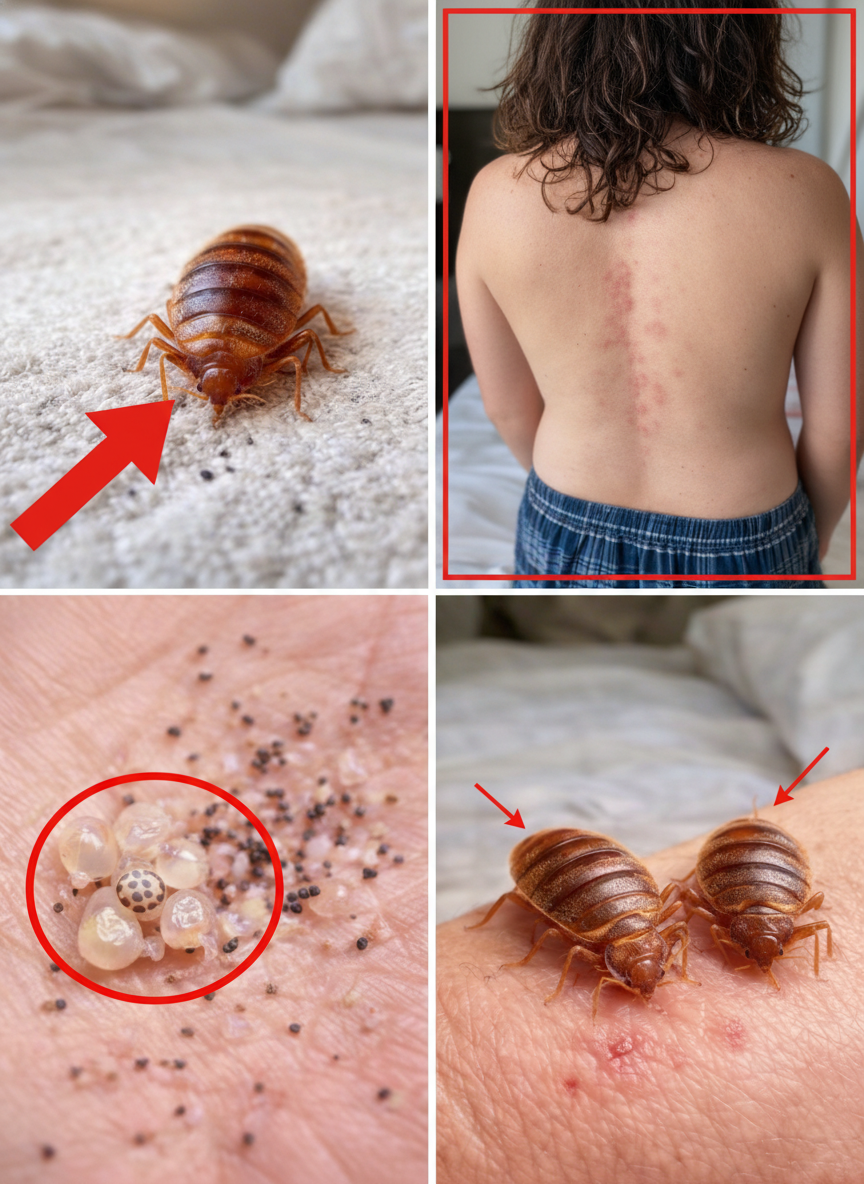
- Visible Bugs: Adult bed bugs are oval, flat, and brown, while their younger counterparts (nymphs) are smaller and lighter, sometimes almost translucent.
- Tiny Blood Stains: Small, rust-colored spots on your sheets, pillowcases, or mattress may indicate crushed bed bugs or feeding residue.
- Fecal Spots: Look for minuscule black or dark brown specks, similar to ground pepper, often found along mattress seams, bed frames, or walls. These are bed bug droppings.
- Shed Skins (Exoskeletons) and Eggs: As bed bugs grow, they shed their exoskeletons. You might find these translucent, yellowish shells, along with tiny, pale yellow eggs, in cracks and crevices.
Beyond visual cues, a distinct, sweet, and musty odor, often described as cilantro-like, can signal a heavy infestation, emanating from their scent glands.
Where to Inspect:
These elusive pests are masters of hiding. Focus your search on:
- The seams, folds, and tufts of your mattress.
- Crevices in your box spring and bed frame.
- Cracks in headboards and footboards.
- Behind peeling paint or wallpaper.
- Along baseboards and in electrical outlets.
- Within the upholstery and seams of nearby furniture.
Bed Bug Bites: Appearance, Sensation, and Distinguishing Them from Other Pests
Bed bug bites typically manifest as red, often itchy welts on the skin. They frequently appear in characteristic patterns: zigzags, clusters of three to five (“breakfast, lunch, and dinner”), or seemingly random groupings on exposed areas like arms, shoulders, neck, and legs. While some individuals may not react at all, others experience significant itching, swelling, or even mild allergic reactions due to the anesthetic and anticoagulant saliva injected during feeding.
Fortunately, most bed bug bites are not medically serious and, as noted by health authorities like the Mayo Clinic, usually resolve naturally within one to two weeks. However, persistent scratching can lead to secondary skin infections.
How to Differentiate Bed Bug Bites:
It’s easy to confuse bed bug bites with those from other insects. Here’s how to tell them apart:
- Bed Bug Bites: Often appear in lines or clusters, commonly on exposed skin while sleeping. They lack a central red dot or puncture wound.
- Mosquito Bites: Usually solitary, raised, and intensely itchy, often with a visible central puncture mark. More common outdoors.
- Flea Bites: Typically concentrated around the ankles and lower legs, causing intense itching. Often associated with pets.
- Spider Bites: Usually present as one or two isolated marks, sometimes with a blister or, in rare cases, necrosis.
If you experience severe reactions, signs of infection (e.g., increased redness, warmth, pus), or if bites do not improve, it’s advisable to seek medical attention.
Soothing Bed Bug Bites: Effective Relief Strategies
While most bed bug bites heal on their own, managing the discomfort is essential. These practical steps can help alleviate itching and promote healing:
- Cleanse Gently: Wash the affected skin thoroughly with soap and water to keep the area clean and minimize the risk of infection.
- Topical Relief: Apply an over-the-counter hydrocortisone cream, calamine lotion, or an anti-itch cream to reduce itching and inflammation.
- Oral Medication: Consider taking an oral antihistamine to help reduce generalized itching and swelling.
- Avoid Scratching: Resist the urge to scratch, as this can break the skin, leading to potential infections and scarring.
- Cool Compresses: Applying a cool, damp cloth or ice pack to the bites can provide immediate soothing relief.
These measures are designed to support your body’s natural recovery process and enhance your comfort.
Proactive Bed Bug Prevention: Safeguarding Your Home
Preventing a bed bug infestation is far easier than eradicating one. By adopting these consistent habits, you can significantly reduce your risk:
- Travel Smart: Always inspect your luggage, clothing, and hotel rooms when traveling. Upon returning home, unpack directly into your washing machine and avoid placing luggage on beds or floors.
- Encapsulate Bedding: Use certified bed bug-proof encasements for your mattresses and box springs. These covers trap any existing bugs and prevent new ones from colonizing.
- Minimize Clutter: Reduce clutter in your bedroom and throughout your home, as bed bugs love to hide in piles of clothes, books, and other items.
- Regular Cleaning: Vacuum frequently, paying close attention to mattress seams, carpets, baseboards, and furniture crevices. Immediately dispose of the vacuum bag outside your home in a sealed container.
- Heat Treatment for Fabrics: Regularly wash all bedding, curtains, and susceptible clothing in hot water (at least 120°F/49°C) and dry them on the highest heat setting for a minimum of 30 minutes.
The Overlooked Prevention Tip: Isolate Your Bed
Here’s a crucial, yet often overlooked, strategy: Isolate your bed. Ensure your bed frame is pulled several inches away from walls and other furniture. Avoid letting bedding touch the floor. Consider placing bed bug interceptors (small dishes that trap bugs) under each leg of your bed frame. This simple physical barrier can make it significantly harder for bed bugs to climb onto your sleeping area.
Reclaim Your Peace of Mind
Bed bugs are a formidable foe, but with diligence, awareness, and the right preventive measures, you can protect your home and reclaim your peaceful sleep. Stay vigilant, act quickly if you suspect an issue, and don’t hesitate to consult with professional pest control experts for severe infestations. By taking these smart steps, you can effectively deter these unwanted guests and ensure your home remains a sanctuary.