 By admin
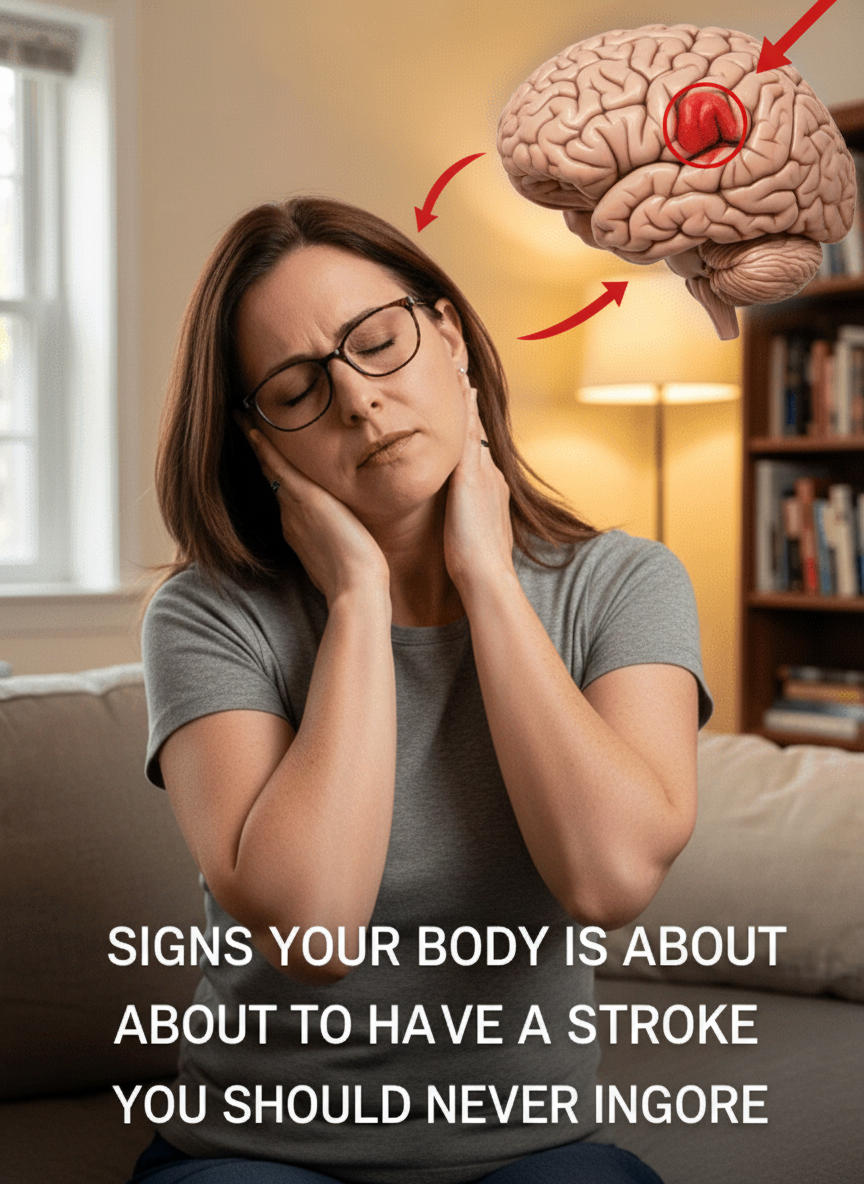
 A stroke, often referred to as a “brain attack,” can strike suddenly, leaving many individuals unaware of the gravity of their symptoms until it’s too late. What might initially seem like a fleeting moment of dizziness, a peculiar numbness in a limb, or unexpected difficulty articulating words, is frequently dismissed due to embarrassment or perceived inconvenience. However, these subtle, initial indicators are often your body’s critical plea for immediate medical assessment. The silver lining is that understanding and promptly identifying these early warning signs can significantly improve outcomes, allowing for quicker intervention and potentially mitigating severe, long-term complications. This comprehensive guide aims to equip you with the knowledge to recognize these vital signals.
Sudden Numbness or Weakness: A Critical Indicator
Among the most frequently reported early indicators of a potential stroke is the abrupt onset of weakness or numbness, typically affecting one side of the body. Individuals, particularly older adults, often describe this as an unsettling sensation: an arm might suddenly feel profoundly heavy, a leg difficult to maneuver while walking, or one side of the face may appear noticeably uneven when attempting to smile. Neurological research consistently highlights that these specific symptoms arise when there’s a temporary interruption of blood supply to a particular region of the brain, a condition that demands immediate attention.
Common manifestations include:
- Unexplained numbness or a “pins and needles” sensation in one arm or hand.
- Noticeable drooping or asymmetry on one side of the face.
- Struggling to lift one arm overhead or keep it raised symmetrically.
- Sudden, inexplicable weakness or lack of control in one leg.
Crucially, many individuals tend to disregard these symptoms if they are fleeting. It’s a common misconception that if the sensations subside within a few minutes, the danger has passed. However, such temporary neurological disturbances, known as a Transient Ischemic Attack (TIA) or “mini-stroke,” are potent warning shots. They signify a brief but serious interruption of blood flow and are often precursors to a full-blown stroke. Medical professionals universally stress the importance of seeking urgent medical evaluation without delay, even if symptoms resolve.
Sudden Confusion or Difficulty with Speech and Understanding
Beyond physical sensations, another critical warning sign manifests through changes in speech or the ability to comprehend language. An individual might unexpectedly find themselves fumbling for words, or their speech could become noticeably slurred, even if they feel entirely lucid and aware mentally. Often, it is close family members or friends who first detect these subtle alterations before the affected person fully realizes the issue.
Indicative signs to watch for include:
- Speech that is slow, garbled, or difficult to articulate clearly.
- Struggling to grasp the meaning of straightforward sentences or questions.
- An inability to accurately repeat common words or phrases.
- Uncharacteristic confusion or disorientation during a conversation.
It is paramount to understand that these linguistic or cognitive disturbances, much like the physical symptoms, can be transient, sometimes resolving in under ten minutes. However, extensive neurological research indicates that even these brief episodes of altered speech or comprehension can serve as vital harbingers, potentially appearing hours or even days before a more severe stroke event. Prompt recognition of these temporary changes is crucial for facilitating a rapid medical assessment and intervention.
Sudden Vision Disturbances: More Than Just Eye Strain
Visual impairments represent yet another frequently misinterpreted warning sign of a potential stroke. Individuals might describe experiencing a sudden “dark curtain” descending over a portion of their visual field, or they may encounter unexplained blurry or double vision. These are not typically benign occurrences.
Key visual warning signs encompass:
- Abrupt onset of blurred vision in one or both eyes.
- Experiencing double vision (diplopia) without any apparent reason.
- Sudden, partial, or complete loss of vision in one eye.
- Unexpected difficulty in focusing clearly.
The root cause of these visual anomalies lies in the brain’s intricate process of interpreting visual signals. Disruptions in blood flow to specific brain regions can temporarily impair the visual system’s capacity to process information from the eyes effectively. Given that various eye conditions are common as people age, many older adults mistakenly attribute these sudden changes to benign factors like fatigue or dry eyes. Nevertheless, any abrupt alteration in vision warrants immediate and serious medical attention, as it could be a critical stroke symptom.
Severe, Sudden Headache: A Thunderclap Warning
An exceptionally severe and sudden headache, distinct from any headache previously experienced, can also be a significant warning sign. Many individuals characterize this as the “worst headache of their life.” Medical professionals often label this phenomenon a “thunderclap headache” due to its abrupt onset and extreme intensity, akin to a sudden clap of thunder.
This type of headache may be accompanied by other alarming symptoms, such as:
- Nausea and/or vomiting.
- An unusual stiffness in the neck.
- Increased sensitivity to light (photophobia).
- Sudden, unexplained dizziness or vertigo.
Such headaches can arise from irritation or disruption of blood vessels within the brain. While it’s true that headaches have numerous origins and a headache alone doesn’t definitively diagnose a stroke, its sudden, severe presentation, especially when paired with other neurological symptoms mentioned here, mandates immediate medical evaluation. It is a symptom that should never be dismissed.
Balance and Coordination Issues: Unsteady Signals
A less obvious, yet equally crucial, indicator involves an abrupt disturbance in balance and coordination. An individual might suddenly feel profoundly unsteady on their feet, struggle to walk a straight line, or experience intense dizziness without any apparent external trigger. These symptoms often point to a temporary impairment in the brain regions specifically tasked with maintaining equilibrium and motor control.
Typical experiences include:
- Sudden onset of dizziness, especially when standing or changing positions.
- Noticeable difficulty in walking steadily or maintaining a straight path.
- An unexpected loss of coordination, making simple tasks challenging.
- A sensation that the room is spinning (vertigo).
It’s common for people to attribute dizziness to benign causes such as dehydration, inner ear problems, or simply fatigue. While these are sometimes valid explanations, persistent, severe, or sudden dizziness, particularly when accompanied by any of the other neurological symptoms discussed, should never be self-diagnosed or ignored. Such a combination warrants immediate emergency medical attention, as it can be a critical sign of a developing stroke or TIA.
Recognizing these diverse and sometimes fleeting warning signs of a stroke is profoundly important. Time is a critical factor when it comes to stroke treatment; the faster medical intervention occurs, the better the potential outcome and the lower the risk of permanent disability. Never hesitate to seek immediate medical attention if you or someone you know experiences any of these symptoms, even if they appear to resolve quickly. Trust your instincts and remember: “When in doubt, check it out.” Early action can truly save lives and preserve brain function.