 By admin
 Reclaim Your Strength After 60: The Simple Nighttime Habit for Muscle Preservation
For many individuals navigating their sixties, a subtle yet unsettling shift often becomes apparent. Everyday activities that were once effortless, like ascending a staircase or lifting grocery bags, now present an unexpected challenge. There’s a noticeable softening in the arms, and a general decline in leg strength. This realization, that the body once taken for granted is now less capable, can be quite disheartening.
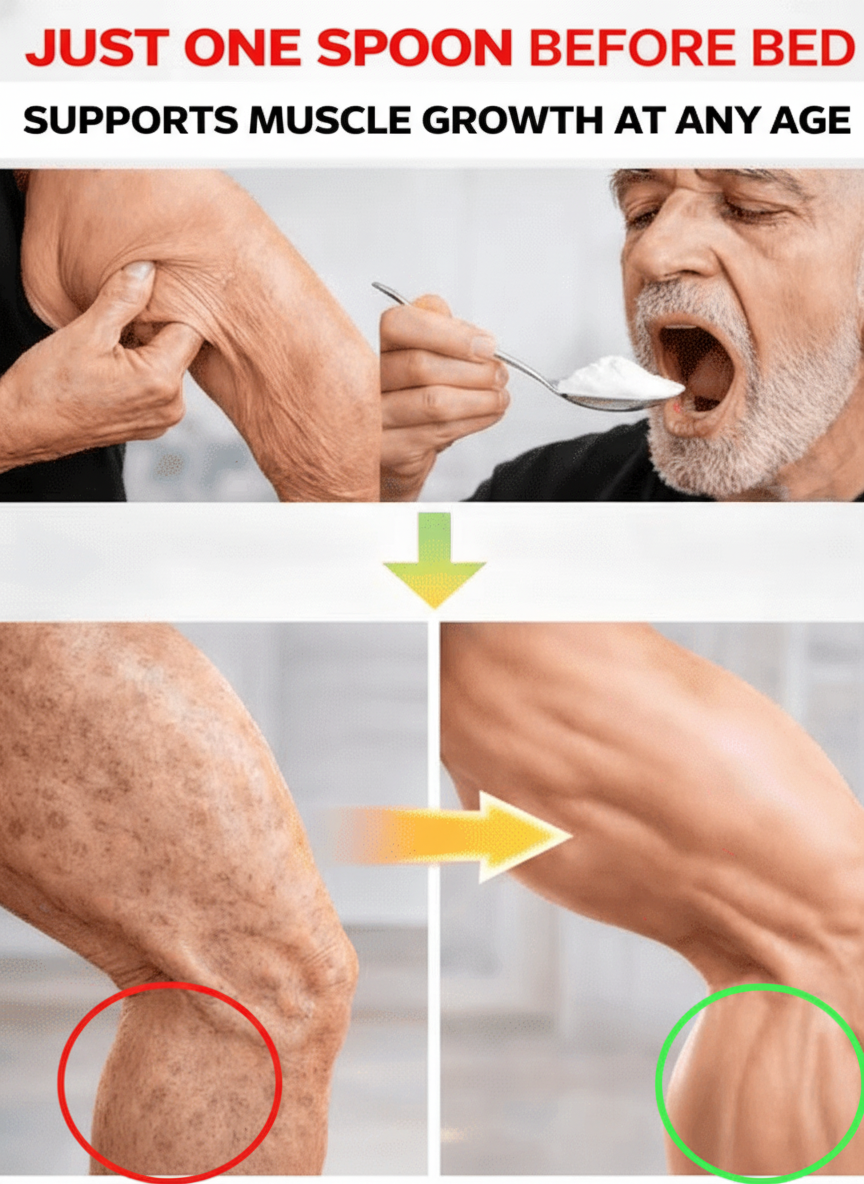
This experience is rooted in a widespread phenomenon: age-related muscle loss, scientifically known as sarcopenia, which accelerates significantly after sixty. However, what often goes unrecognized is the profound influence diet exerts on this process. Specific nutritional choices can actively contribute to maintaining healthy muscle mass throughout our later years. Intriguingly, a particular, simple habit adopted before bedtime could be instrumental in enhancing the body’s overnight recovery and muscle repair.
The critical insight lies in a frequently overlooked nutritional strategy: a small, strategic intake before sleep. This minor omission might be a contributing factor to the gradual decline in muscle strength that often accompanies aging. This article will delve into the latest findings from nutrition research on how to effectively preserve muscle after 60, and illuminate how integrating a simple evening ritual can pave the way for more robust and resilient aging.
Understanding Muscle Loss After 60: The Science of Sarcopenia
The human body inherently undergoes changes with age, including a natural reduction in muscle mass. This progressive condition, commonly referred to as sarcopenia or age-related muscle decline, typically sees adults experiencing a three to eight percent loss of muscle mass every ten years post-30. This rate of decline frequently intensifies once individuals reach their sixties.
Key Factors Contributing to Age-Related Muscle Decline:
- Insufficient Protein Consumption: Many older adults simply do not consume enough dietary protein to meet their body’s needs for muscle maintenance and repair.
- Decreased Physical Activity: Muscles require consistent stimulation and use to retain their strength and mass. A sedentary lifestyle accelerates atrophy.
- Less Efficient Muscle Repair: The body’s capacity to synthesize new muscle tissue and repair existing fibers becomes less efficient with advancing age.
- Shifting Hormonal Levels: Hormones vital for muscle growth and maintenance, such as testosterone and growth hormone, naturally diminish over time.
Crucially, it’s vital to grasp that this muscle decline is not an unalterable fate. Extensive research, frequently highlighted in reputable journals focusing on aging and nutrition, consistently demonstrates that older adults who prioritize adequate protein intake and engage in consistent physical activity can retain substantially more muscle mass than their less active or under-nourished counterparts. This underscores a powerful truth: lifestyle choices remain profoundly impactful, with diet standing out as one of the most potent instruments at our disposal for healthy aging.
The Indispensable Role of Protein in Muscle Preservation After 60
Often hailed as the fundamental “building block” of muscle, protein is absolutely essential for our physical integrity. Each movement, every lift, and all forms of exercise cause microscopic tears in muscle fibers. These fibers then undergo a rebuilding process, growing back stronger. This intricate repair and growth mechanism is entirely dependent on amino acids, which are derived exclusively from the protein we consume. A deficit in protein intake directly impedes the body’s ability to effectively repair muscle tissue. This becomes acutely significant for older adults, as aging muscles develop a phenomenon known as “anabolic resistance,” meaning they are less sensitive to protein signals. Consequently, seniors often require a marginally higher protein intake to stimulate the same muscle protein synthesis response compared to younger individuals.
Numerous nutrition experts advocate for a strategy of distributing protein consumption evenly across the entire day for older adults. For instance:
- Morning Fuel: Start your day with protein-rich options like eggs, Greek yogurt, or a protein smoothie.
- Midday Boost: Incorporate sources such as legumes, lean fish, chicken breast, or tofu into your lunch.
- Evening Nourishment: Your dinner plate could feature lean meats, poultry, fish, or robust plant-based protein alternatives.
This consistent supply ensures a steady stream of amino acids. Furthermore, a modest protein-packed snack in the evening has shown promise in supporting the body’s crucial overnight recovery processes. This naturally prompts an intriguing inquiry: might a strategic, small dose of protein before sleep genuinely aid in muscle regeneration during the night?
The Nighttime Advantage: Why Evening Protein Boosts Overnight Muscle Repair
Sleep is a profound period of physiological restoration for the body. It’s when critical repair mechanisms are in full swing: muscles are rebuilt, hormones are regulated, and tissues recuperate from the day’s demands. Providing the body with a readily available supply of protein during these hours can significantly facilitate this essential rebuilding process. Emerging research, particularly within the field of sports nutrition, indicates that a modest, protein-rich snack consumed prior to sleep can effectively bolster overnight muscle maintenance and recovery.
Ideal Evening Protein Snacks for Seniors:
- Greek Yogurt: High in casein protein, which digests slowly, providing a sustained release of amino acids.
- Cottage Cheese: Another excellent slow-digesting, casein-rich option, versatile for various preparations.
- Milk (Dairy or Fortified Plant-Based): Offers both casein and faster-acting whey proteins, ensuring a comprehensive amino acid profile.
- A Small Handful of Nuts: Provides protein along with healthy fats, contributing to satiety and slow digestion.
- Plant-Based Protein Alternatives: Such as soy yogurt, a small serving of edamame, or a modest scoop of plant-based protein powder mixed with water or unsweetened plant milk.
These particular food selections are beneficial because they typically digest at a slower rate, ensuring a sustained release of amino acids throughout the nocturnal hours. However, moderation is paramount. Consuming large, heavy meals close to bedtime can disrupt both sleep quality and digestive comfort. The objective is a modest, easily digestible snack, not a substantial repast. It’s also crucial to remember that while nutrition is vital, it cannot single-handedly preserve muscle mass; consistent physical activity remains an equally critical component.
Beyond Diet: Holistic Habits for Sustained Muscle Health After 60
It’s a common oversight, but the efficacy of nutritional strategies is significantly amplified when synergized with physical activity. To truly support and enhance muscle strength as we age, integrating the following daily practices is essential:
- Consistent Strength Training: Even light resistance workouts, performed two to three times per week, are incredibly effective in maintaining and building muscle mass. Focus on functional movements.
- Daily Movement (e.g., Walking): Regular ambulation keeps muscles active, improves circulation, and supports overall physical function, contributing to overall well-being.
- Strategic Protein Distribution: Aim to incorporate high-quality protein sources into every meal, ensuring a continuous supply of amino acids for muscle repair and growth.
- Sufficient Rest: The body undergoes significant repair and recovery processes during adequate sleep (7-9 hours), which is crucial for muscle regeneration and hormonal balance.
- Optimal Hydration: Muscles function more efficiently, recover better, and maintain elasticity when the body is properly hydrated. Don’t underestimate water intake.
By adopting these integrated strategies—focusing on smart nutrition, including that crucial evening protein, and staying actively engaged—you can actively combat age-related muscle loss and cultivate a stronger, more resilient body well into your senior years. It’s never too late to start investing in your physical health and enjoying the benefits of