 By admin
 Reclaim Your Spring: How Peppermint Might Naturally Ease Seasonal Allergy Symptoms
The arrival of spring heralds vibrant blossoms, crisp air, and extended daylight hours perfect for outdoor adventures. Yet, for countless individuals, this beautiful season is overshadowed by the relentless discomfort of seasonal allergies—manifesting as sneezing fits, itchy eyes, and persistent nasal congestion that detract from the joy. While others revel in pollen-laden breezes, a routine walk in the park can quickly devolve into an unpleasant ordeal, prompting a search for tissues rather than savoring the warmth of the sun. The exasperation often intensifies when conventional over-the-counter remedies feel burdensome or induce drowsiness, hindering a full appreciation of springtime. But what if a common, readily available herb held the key to gentle relief? Peppermint, renowned for its invigorating menthol properties, is gaining recognition beyond its culinary uses. Scientific inquiry highlights a potent natural compound within it—rosmarinic acid—which shows promise in moderating specific allergic reactions. Continue reading to discover straightforward methods for incorporating this herb into your daily regimen, potentially transforming your experience of allergy season.
Peppermint’s Unique Appeal for Seasonal Allergy Relief
A member of the expansive mint family, peppermint (Mentha piperita) flourishes globally in both cultivated gardens and household settings. For centuries, individuals have traditionally consumed peppermint tea to alleviate various common ailments. Contemporary research, however, increasingly focuses on its powerful bioactive constituents. A particularly significant component is rosmarinic acid, a potent antioxidant polyphenol present not only in peppermint but also in other herbs such as rosemary and perilla. Scientific investigations indicate that rosmarinic acid may play a role in regulating the inflammatory processes associated with seasonal sensitivities. For instance, studies have delved into its impact on the body’s reactions to common environmental allergens like pollen. A noteworthy study conducted in 2004 observed that individuals suffering from seasonal allergic rhinoconjunctivitis who received a rosmarinic acid-fortified supplement experienced noticeable reductions in symptoms like nasal itching and watery eyes, in contrast to those given a placebo. Although this particular study utilized a highly concentrated extract (frequently derived from perilla), peppermint inherently contains rosmarinic acid, thus stimulating interest in its potential benefits when consumed in more common forms, such as tea. However, there’s more to understand about its mechanism…
Understanding Rosmarinic Acid’s Role in Modulating Allergic Reactions
Seasonal allergic reactions occur when the immune system mounts an exaggerated response to otherwise innocuous pollen, triggering the release of histamine and other inflammatory mediators in the nasal passages, eyes, and throat. In laboratory and animal studies, rosmarinic acid demonstrates an ability to engage with these biological pathways through several mechanisms:
- Potentially mitigating effects associated with histamine release.
- Bolstering antioxidant defenses to combat oxidative stress.
- Modulating the activity of inflammatory cells, including neutrophils and eosinophils.
Limited human clinical trials specifically on peppermint exist, yet research involving other rosmarinic acid sources has yielded encouraging results. A comprehensive review of various studies emphasizes its capacity to modulate allergic responses, often without the pronounced side effects sometimes associated with conventional treatments. It’s important to note: while a typical cup of peppermint tea won’t provide the high concentrations utilized in some scientific investigations, consistent consumption could nonetheless contribute to enhanced overall comfort, particularly when integrated with other supportive lifestyle practices.
Simple and Effective Ways to Integrate Peppermint for Daily Allergy Support
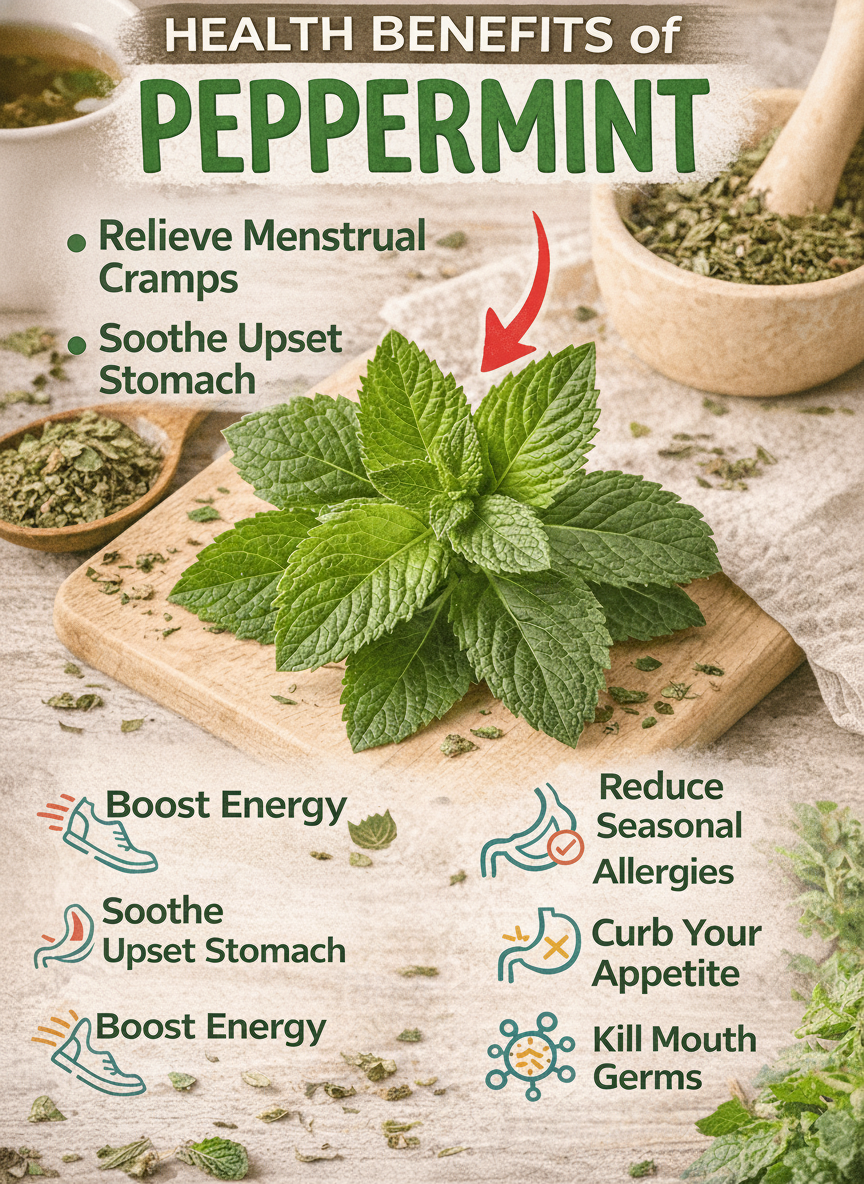
Eager to explore its potential? Peppermint offers an accessible, cost-effective, and ubiquitous natural option. The key is consistent, moderate use, rather than anticipating immediate, dramatic transformations.
Brewing Peppermint Tea: Easy Steps for Home Preparation:
- Bring one cup of pure water to a rolling boil.
- Infuse with 1–2 teaspoons of dried peppermint leaves or one tea bag.
- Allow to steep, covered, for 5–10 minutes to retain essential oils.
- Strain the leaves, then slowly savor the tea, inhaling the soothing steam for added relief.
- Consider consuming 2–3 cups per day, especially during peak pollen seasons.
Additional Simple Methods to Enhance Your Peppermint Routine:
- Infused Water with Fresh Leaves: Muddle a small handful of fresh peppermint leaves and incorporate them into a pitcher of chilled water for a wonderfully refreshing beverage.
- Peppermint Steam Inhalation: Place dried peppermint leaves in a bowl, pour hot water over them, then drape a towel over your head and inhale the aromatic steam deeply for 5–10 minutes to assist in clearing nasal passages.
- Integrate with Lifestyle Adjustments: Complement your peppermint consumption with other beneficial practices, such as maintaining optimal hydration, utilizing a saline nasal rinse, or keeping windows closed during periods of high pollen concentration.
Collectively, these minor adjustments and consistent habits can significantly contribute to your sense of preparedness and comfort when pollen levels escalate.
Scientific Insights: What the Research Reveals (and Limitations)
Research involving rosmarinic acid consistently demonstrates promising outcomes in various allergy models, including documented reductions in symptom severity within certain human trials utilizing enriched extracts. Furthermore, the inherent menthol in peppermint offers a distinct cooling sensation, which many individuals find beneficial for alleviating congestion. Nevertheless, it’s crucial to acknowledge that the scientific evidence specifically supporting the efficacy of plain peppermint tea is currently preliminary; the most compelling data stems from studies employing highly concentrated forms of rosmarinic acid. Consequently, peppermint is best regarded as a supportive, complementary strategy rather than a definitive, standalone treatment for seasonal allergies. Always prioritize your body’s responses and seek advice from a healthcare professional.