 By admin
 Reclaim Your Sleep: A Natural, Home-Based Method to Reduce Dust Mites in Your Mattress
Your mattress, a sanctuary of rest, might also be an unwitting haven for millions of microscopic dust mites. These tiny creatures flourish in warm, humid environments, feasting on shed skin cells and potentially diminishing the comfort and cleanliness of your sleeping space over time. The encouraging news? There’s a gentle, time-tested approach to manage their presence without resorting to harsh chemicals.
Many individuals find the thought of these invisible inhabitants sharing their bed unsettling, which can subtly impact the quality of their rest each morning. But what if a straightforward household technique could genuinely improve your sleep environment? Continue reading to uncover simple, proven steps that have helped countless households maintain a fresher, more inviting sleeping area for generations.
Understanding Dust Mites and Their Impact
Dust mites are minute arachnids, imperceptible to the naked eye, that primarily reside in household dust. They are particularly drawn to mattresses because we spend significant hours there nightly, providing a continuous supply of skin flakes—their main food source. Leading health organizations, such as the American Lung Association, confirm that dust mites are a ubiquitous presence in most homes.
Their waste products can become airborne as you move on your bed, potentially contributing to discomfort for sensitive individuals. While it’s unrealistic to completely eradicate every single dust mite—they are an inherent part of our indoor ecosystems—you can substantially lower their populations and cultivate a significantly cleaner sleep surface through consistent care.
Indicators Your Mattress Needs Attention
Curious if dust mite populations might be escalating in your bed? Observe for these common indicators:
- Waking up with nasal congestion or irritated, itchy eyes, particularly in the mornings.
- Detecting a subtle, musty odor emanating from your mattress.
- Noticing faint yellowish discoloration or stains on older mattress covers or bedding.
- Experiencing an increase in allergy symptoms specifically when you are in bed.
While these signs aren’t exclusively indicative of dust mites, they strongly suggest that your mattress could benefit from a thorough, deep cleaning.
The Proven Home Remedy: Baking Soda and Essential Oils
Among the most cherished natural methods, passed down through families for decades, is the combination of ordinary baking soda with a few drops of essential oil. Baking soda is renowned for its ability to absorb moisture and neutralize odors, while specific essential oils possess properties that dust mites tend to avoid.
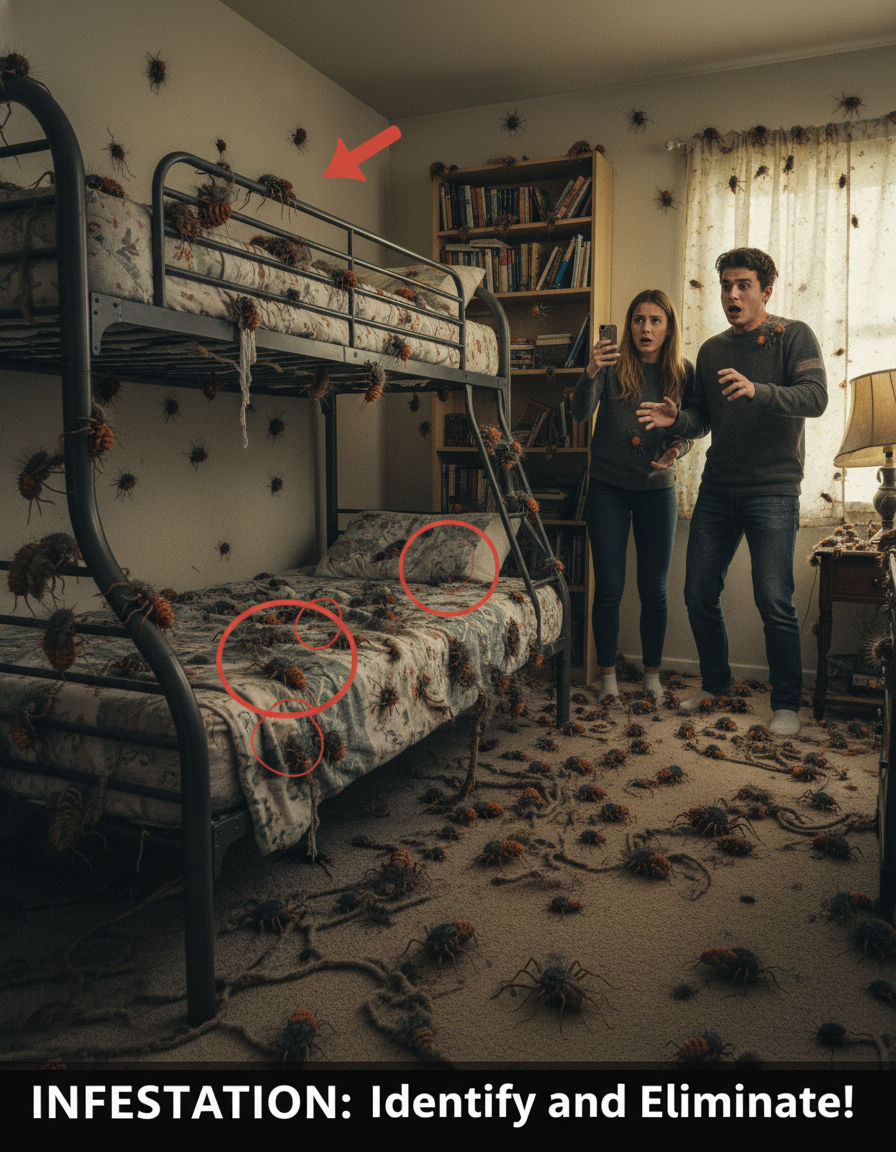
Research, including studies cited by the National Institute of Environmental Health Sciences, highlights that effective humidity control and regular cleaning of bedding are key strategies in managing dust mite populations. This simple, synergistic mixture perfectly complements these efforts.
Here’s why this method has endured the test of time:
- It’s remarkably affordable, utilizing common household items you likely already possess.
- It produces no harsh chemical fumes, ensuring a safer environment.
- It’s generally safe for most mattress fabrics when applied correctly.
- It naturally imparts a fresh, clean scent to your bedroom.
However, the true efficacy of this technique lies not just in the ingredients, but in the precise application and removal process.
A Step-by-Step Guide to Naturally Freshen Your Mattress
Ready to revitalize your mattress? Follow these clear instructions for optimal results:
- Prepare Your Bed: Completely strip your bed, removing all sheets, pillowcases, and mattress protectors. Wash these items in hot water (at least 130°F or 54°C) if their care labels permit, as hot water effectively kills dust mites.
- Vacuum the Surface: Use the upholstery attachment of your vacuum cleaner to thoroughly vacuum the entire surface of your mattress. This step removes loose debris, dust, and accumulated dead skin cells from both sides.
- Create the Mixture: In a bowl, combine approximately 1 cup (240g) of baking soda with 10–15 drops of a chosen essential oil. Lavender, eucalyptus, or tea tree oils are popular choices, as their scents are suggested by some research to deter dust mites.
- Apply Generously: Using a fine sifter or your hands (wearing gloves if you have sensitive skin), sprinkle the baking soda mixture evenly and liberally over the entire top surface of the mattress.
- Allow to Absorb: Let the baking soda mixture sit on the mattress for a minimum of 1–2 hours. For deeper cleaning and odor absorption, ideally leave it for 4–8 hours during the day.
- Thoroughly Vacuum: Slowly and meticulously vacuum the mattress again, using overlapping rows, to ensure all the powder is completely removed. If your mattress is flippable, repeat the entire process on the other side.
- Air Out (Optional but Recommended): If weather conditions allow, place your mattress in indirect sunlight near an open window for several hours. UV rays and fresh air offer additional natural support in sanitizing and refreshing your mattress.
Implementing this routine every 1–3 months, combined with weekly changes of bedding, can lead to a remarkable improvement in the freshness and comfort of your bed.
Complementary Strategies for Dust Mite Control
While the baking soda method is highly effective, integrating it with these additional habits will yield even better, long-lasting results:
- Utilize Allergen-Proof Encasements: Cover your mattress and pillows with special allergen-proof encasements. These create a physical barrier that restricts access to the dust mites’ primary food sources.
- Manage Humidity: Maintain bedroom humidity levels below 50% using a dehumidifier if necessary. Dust mites thrive in high humidity, so lowering it significantly inhibits their growth.
- Wash Bedding Regularly: Wash all bedding, including sheets, pillowcases, and blankets, weekly in hot water (130°F/54°C or higher) to kill dust mites and remove allergens.
- Choose Appropriate Pillows: Opt for synthetic or tightly woven pillows over feather varieties, as they are less hospitable to dust mites.
- Regularly Vacuum Carpets and Upholstery: Extend your cleaning efforts beyond the mattress to other bedroom furnishings that can harbor dust mites.