 By admin
 Have you ever overlooked a common patch of greenery, unaware it harbored incredible health potential? Purslane, often simply regarded as a persistent garden weed, is in fact a remarkably nutrient-dense plant with a rich history in traditional medicine spanning centuries. A 2020 investigation published in the Journal of Ethnopharmacology highlighted that purslane contains a higher concentration of omega-3 fatty acids compared to numerous other leafy greens, positioning it as a potent ally for cardiovascular and cognitive well-being. But how can you accurately identify this beneficial plant, and is it truly possible to transform it into a revitalizing health beverage? This comprehensive guide will equip you with the knowledge to recognize purslane, uncover its surprising health advantages, and prepare a delicious drink that significantly boosts your overall wellness. From its capacity to combat inflammation to its support for digestive health, purslane is far more than just a weed—it’s a genuine game-changer. Let’s delve into how you can bring this unassuming plant from your garden directly to your glass.
Understanding Purslane and Its Identification
Purslane (Portulaca oleracea) is characterized as a low-growing, succulent plant, featuring thick, fleshy leaves and delicate yellow blooms. It commonly flourishes in sunny environments such as gardens, along sidewalks, or in open fields, particularly thriving in warmer climates. Its distinctive reddish stems and paddle-shaped leaves make it relatively easy to spot. According to data from the USDA, purslane is abundantly rich in essential vitamins A, C, and E, alongside vital minerals like magnesium and potassium.
To confidently identify purslane, look for these key characteristics:
- Leaves: They are typically small, oval-shaped, shiny, and succulent, usually measuring between 1 to 2 inches in length.
- Stems: These are reddish in color, smooth to the touch, and spread out close to the ground.
- Flowers: Tiny and yellow, with five petals, these blossoms typically appear during the summer months.
- Texture: When touched, purslane feels distinctly succulent and offers a slight crispness.
For instance, Anna, an avid home gardener, initially mistook purslane for a common weed before correctly identifying it in her own backyard. It is crucial to always wash purslane thoroughly after harvesting, as it grows in soil that can harbor dirt or residual pesticides. If you are foraging for purslane, it’s best to avoid plants found near busy roadsides or lawns that may have been chemically treated to ensure its safety for consumption.
The Remarkable Health Benefits of Purslane
Purslane transcends its classification as a mere weed; it is truly a nutritional powerhouse. Its exceptionally high omega-3 content, a rarity among plant sources, plays a crucial role in supporting cardiovascular health by helping to reduce cholesterol levels, as indicated by a 2021 study published in Nutrients. Furthermore, it is rich in potent antioxidants, such as betalains, which actively combat inflammation throughout the body, and contains mucilage, a gel-like substance renowned for its ability to soothe the digestive system.
Here is a concise overview of its principal benefits:
- Cardiovascular Wellness: The omega-3s and potassium present in purslane contribute to lower blood pressure and improved overall circulation.
- Anti-Inflammatory Properties: Betalains effectively diminish joint discomfort and help mitigate chronic inflammation.
- Digestive Aid: Mucilage offers relief from stomach irritation and promotes healthy bowel regularity.
- Immune System Boost: With approximately 20% of the daily recommended intake of Vitamin C per cup, purslane significantly strengthens the body’s natural defenses.
Consider Mark, a dedicated fitness enthusiast, who incorporated purslane into his regular diet and subsequently observed a noticeable reduction in joint stiffness following his workouts. A single cup of purslane delivers a substantial nutrient boost without adding excessive calories, making it an excellent choice for individuals who are mindful of their health and dietary intake.
| Nutrient | Amount per Cup | Benefit |
|---|---|---|
| Omega-3s | 400 mg | Supports heart and brain health |
| Vitamin C | 12 mg | Boosts immunity, fights free radicals |
| Magnesium | 68 mg | Aids muscle and nerve function |
| Betalains | Varies | Reduces inflammation |
How Purslane Enhances Your Body’s Functions
The unique combination of compounds found in purslane works synergistically to significantly improve overall wellness. Its omega-3 fatty acids, specifically alpha-linolenic acid (ALA), rival the levels found in flaxseeds, contributing to enhanced brain function and a reduced risk of heart disease, as emphasized by the American Heart Association. The mucilage content functions as a natural soothing agent, providing relief for conditions such as acid reflux or irritable bowel syndrome. A 2019 investigation published in Food Chemistry indicated that purslane’s powerful antioxidants actively safeguard cells from oxidative stress, potentially contributing to a slower aging process.
For example, Sarah, a busy teacher, frequently experienced occasional digestive discomfort. After consistently integrating purslane into her meals, she reported feeling less bloated and more invigorated. Whether consumed raw or seamlessly blended into a refreshing drink, purslane’s nutrients are readily absorbed by the body, making it an exceptionally versatile and beneficial addition to virtually any dietary regimen.
Crafting a Purslane Health Drink
Transforming fresh purslane into a revitalizing and healthy beverage is a wonderfully straightforward and enjoyable process. This particular purslane-citrus smoothie is bursting with vibrant flavor and essential nutrients, making it an ideal choice for an invigorating morning boost or a refreshing post-workout recovery drink. Designed to serve one, its preparation takes merely 10 minutes from start to finish.
Purslane-Citrus Smoothie
Ingredients:
- 1 cup of fresh purslane leaves and tender stems, thoroughly washed
- 1 orange, peeled and divided into segments
- ½ cup of pineapple chunks
- ½ banana
- 1 cup of water or coconut water
- 1 tsp honey (optional, for added sweetness)
- Ice cubes (optional, for a colder consistency)
Instructions:
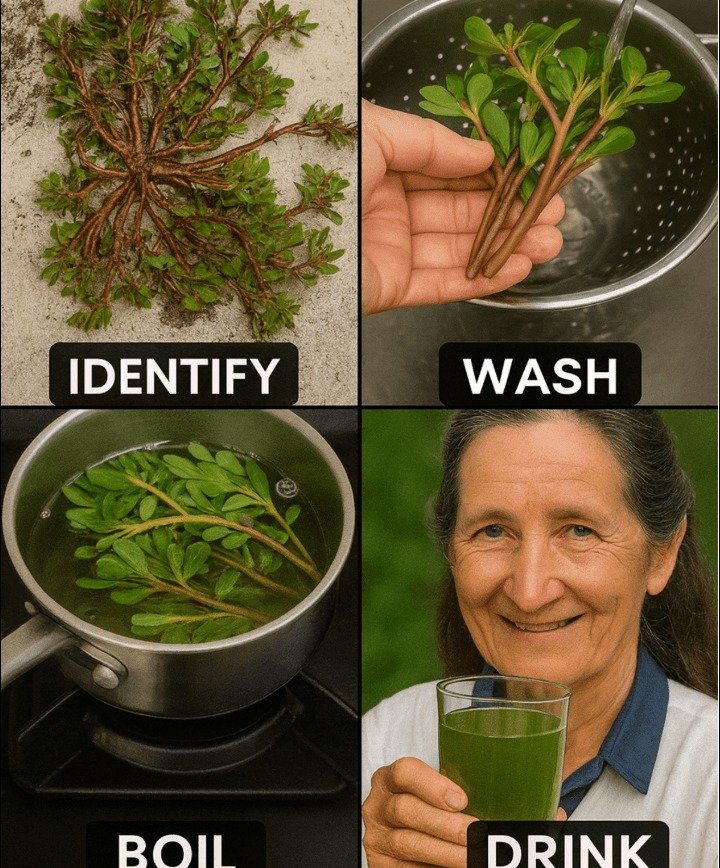
- Begin by rinsing the purslane meticulously to ensure all dirt or grit is removed.
- Carefully place the washed purslane, orange segments, pineapple chunks, banana, and water (or coconut water) into a blender.
- Blend the ingredients until the mixture achieves a smooth and consistent texture, typically requiring about 30 to 60 seconds.
- Taste the smoothie and, if you prefer a sweeter flavor, incorporate honey as desired.
- For a wonderfully chilled drink, add ice cubes and blend briefly once more.
- Pour the freshly made smoothie into a glass and savor it immediately for optimal taste and nutrient retention.
Lisa, a dedicated yoga instructor, regularly prepares this smoothie each week, praising its tangy taste and the significant energy boost it provides. To maintain its freshness, store purslane in the refrigerator for up to three days, and always prioritize using the freshest leaves to ensure the best possible flavor and maximum nutrient content in your drinks.
Innovative Ways to Incorporate Purslane
Beyond its use in smoothies, purslane offers remarkable versatility in the kitchen. Here are several effortless methods to integrate it into your daily diet:
- Salads: Combine raw purslane with crisp cucumber, fresh tomatoes, and a zesty lemon vinaigrette for a refreshing and crunchy side dish.
- Stir-Fries: Lightly sauté purslane with minced garlic and a drizzle of olive oil to create a nutrient-dense and flavorful addition to any stir-fry.
- Pesto: Blend purslane alongside fresh basil, your choice of nuts, and Parmesan cheese to craft a uniquely flavored spread or sauce.
- Soups: Introduce purslane to your favorite vegetable soups to impart a subtle, tangy undertone and enhance their nutritional profile.
- Sandwiches: Utilize fresh purslane leaves as a nutrient-rich and flavorful substitute for traditional lettuce in your sandwiches and wraps.
For instance, Tom, a skilled chef, frequently substitutes spinach with purslane in his salads, consistently delighting his customers with its distinctive texture and taste. Begin by incorporating small quantities to acclimate your palate to its slightly sour, lemony notes, and feel encouraged to experiment to discover your preferred recipes.
Important Precautions When Consuming Purslane
While purslane is generally considered safe for the majority of individuals, there are several key considerations to bear in mind. Its elevated oxalate content could pose a potential risk for those predisposed to developing kidney stones, as highlighted by a 2022 study published in the Journal of Renal Nutrition. If you have existing kidney conditions, it is imperative to consult with a medical professional before consuming large quantities of purslane. Additionally, excessive intake of purslane may lead to mild stomach upset, primarily due to its fiber and mucilage content.
When foraging for purslane, always verify that the plant is free from any pesticides or environmental pollutants. Pregnant women should exercise caution and avoid excessive consumption, as there have been rare instances where purslane may stimulate uterine contractions. As an example, Emily, who has a personal history of kidney stones, carefully restricts her intake to small portions and regularly consults with her dietitian. Always ensure purslane is thoroughly washed before use and begin with modest serving sizes to assess your body’s reaction.
Frequently Asked Questions
Here are some common questions regarding purslane:
Where can I typically locate purslane?
Purslane commonly grows in gardens, yards, or other sunny, open areas. It can also be purchased at many farmers’ markets or cultivated at home. Always ensure that any foraged purslane is free from pesticides or contaminants.
Is it safe to consume purslane in its raw form?
Absolutely, raw purslane is both safe and highly nutritious. Both its leaves and stems are edible and possess a subtly tangy flavor. Remember to wash it thoroughly before consumption.
What is a safe daily amount of purslane to eat?
Starting with approximately one cup of fresh purslane daily is generally a good guideline. However, if you have kidney health concerns, it is advisable to consult a doctor due to its oxalate content.
Can purslane contribute to weight loss efforts?
Given its low calorie count and high fiber content, purslane can promote a feeling of fullness, which may support weight management goals. For optimal results, incorporate it as part of a balanced diet.
This information is intended solely for educational purposes and should not be considered a substitute for professional medical advice. Always consult with a qualified healthcare provider before making any significant dietary modifications, particularly if you have pre-existing health conditions.