 By admin
 Procyanidin C1: Unpacking the Science Behind Grape Seed Extract and Longevity Claims
The journey through aging often brings with it noticeable shifts: a dip in energy levels, a slower recovery from exertion, and the subtle yet persistent concern that time is accelerating. These changes frequently originate from the cumulative impact of cellular stress and inflammation that accrues over years, making it increasingly challenging to maintain everyday vitality. Recently, a Shenzhen-based startup, Lonvi Biosciences, has ignited considerable discussion by spotlighting a natural compound derived from grape seeds, claiming it targets some of these fundamental aging processes, particularly as observed in animal studies. But can this compound genuinely reshape the landscape of human lifespan and healthspan? While the assertions are ambitious, the true narrative unfolds within the context of ongoing scientific investigation – and what remains to be proven before any grand promises materialize. Stay with us, as we’ll also delve into practical, evidence-based strategies for fostering healthy aging.
Understanding Senescent Cells and Their Contribution to Aging
As biological organisms mature, a specific phenomenon occurs where certain cells cease to divide but, critically, fail to undergo programmed cell death. These are scientifically termed senescent cells, though they are often colloquially referred to as “zombie cells.” Rather than being cleared efficiently, they persist within tissues, actively secreting a cocktail of inflammatory signals. This continuous release can adversely affect adjacent healthy cells and contribute significantly to chronic, low-grade inflammation – a state widely implicated by research in numerous age-related physiological declines. Encouragingly, studies conducted in various lab models have demonstrated that the targeted removal or neutralization of these senescent cells can lead to improvements in tissue function and and overall well-being in animal subjects.
Procyanidin C1 (PCC1): The Grape Seed Compound Under Scrutiny
At the core of this emerging longevity discussion is Procyanidin C1, or PCC1. This specific polyphenol is a naturally occurring component abundantly found in grape seed extract. As a type of flavonoid, PCC1 belongs to a class of plant compounds renowned for their potent antioxidant properties. A landmark 2021 study published in the prestigious journal Nature Metabolism provided significant insights into PCC1’s potential effects. Researchers discovered that this compound exhibited a selective influence on senescent cells, both in isolated cell cultures and within living mouse models. This activity is described by scientists as “senotherapeutic,” indicating its capacity to manage cellular senescence without causing widespread harm to healthy cells.
Key findings from these experiments included:
- Intermittent administration of PCC1 to older mice was correlated with enhanced physical performance.
- The overall lifespan of treated mice saw an average increase of approximately 9%.
- Remarkably, in very aged mice (an equivalent to advanced human age), the remaining lifespan was extended by roughly 60% in certain instances.
These compelling results emerged from a broader screening effort of various plant extracts, where grape seed components, particularly PCC1, distinguished themselves for their promising senotherapeutic potential. However, a crucial distinction must be emphasized: these outcomes were observed in mice, not humans. While animal models are invaluable for providing foundational clues, translating these findings to human physiology presents considerable biological complexities and challenges.
Lonvi Biosciences and the Longevity Hype
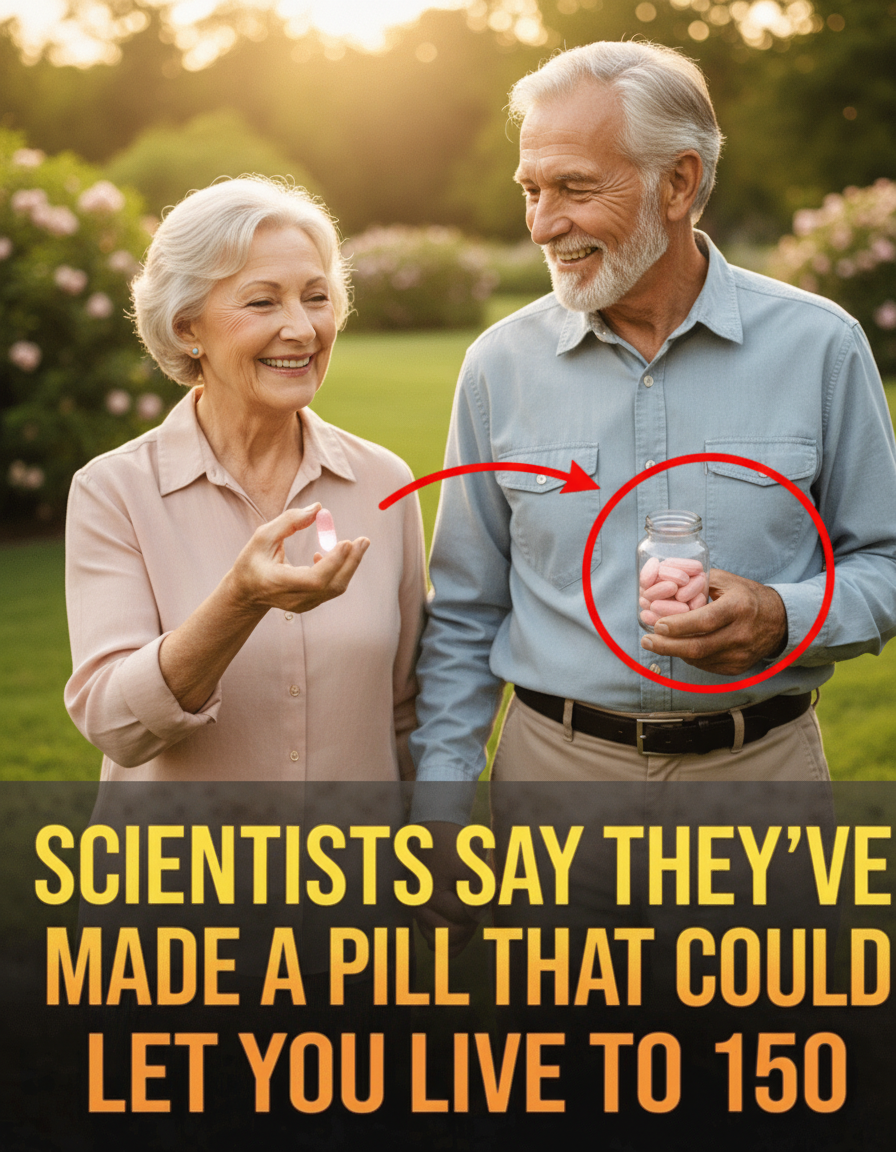
Building upon this foundational scientific investigation, Lonvi Biosciences, a dynamic startup situated in Shenzhen, China, has advanced the development of a concentrated PCC1 product available in capsule form. Executives from the company have framed their endeavors as a pursuit of a monumental breakthrough in longevity science, with some pronouncements even speculating on the possibility of extending human lifespans to 150 years. Media reports from late 2025 highlighted the company’s optimistic outlook, detailing progress in refining the compound for prospective applications. Their strategy centers on precisely targeting inflammatory “zombie cells” while ensuring the preservation of healthy cellular structures. Nonetheless, it is imperative to note that, as of now, no human clinical trials have yet validated these profound lifespan-extending effects. Bridging the gap from promising rodent studies to established benefits in human populations remains a substantial scientific hurdle. Experts in the field maintain a stance of cautious optimism; while the existing data is exciting, extensive, long-term human evidence is an indispensable prerequisite before definitive conclusions can be drawn.
Grape Seed Compounds, Healthy Aging, and Lifestyle Foundations
Grape seed extract has been a subject of scientific inquiry for many years, primarily due to its rich concentration of beneficial polyphenols. Broader research into these compounds suggests a range of health advantages, including support for cardiovascular wellness, mitigation of oxidative stress, and promotion of improved circulation – all critical elements contributing to overall well-being as we age. PCC1, in particular, appears to offer a more targeted approach to cellular senescence when compared to general grape seed extracts.
Furthermore, other studies have investigated similar flavonoids for their potential roles in sustaining eye health, enhancing skin resilience, and optimizing metabolic function within various aging models. Despite these promising avenues, it is essential to underscore that no single supplement or compound has been unequivocally proven to dramatically extend the maximum human lifespan. Truly healthy longevity today is understood to be the culmination of a synergistic combination of lifestyle factors, rigorously supported by decades of robust population studies.
Practical Steps for Supporting Healthy Aging (Evidence-Based)
While the promise of compounds like PCC1 continues to be explored, focusing on established practices remains paramount for fostering a vibrant and extended life. These include:
- Balanced Nutrition: Adopting a diet rich in fruits, vegetables, whole grains, and lean proteins, while limiting processed foods, sugar, and unhealthy fats.
- Regular Physical Activity: Engaging in a mix of aerobic, strength training, and flexibility exercises tailored to your capabilities.
- Adequate Sleep: Prioritizing 7-9 hours of quality sleep per night to support cellular repair and cognitive function.
- Stress Management: Practicing mindfulness, meditation, or other relaxation techniques to mitigate chronic stress.
- Social Engagement: Maintaining strong social connections and actively participating in community life.
- Avoiding Harmful Habits: Limiting alcohol consumption and abstaining from smoking.