 By admin
 Post-Intimacy Urination: A Vital Step for Optimal Urinary Tract Health
That familiar burning sensation, persistent urgency, or an uncomfortable pressure in your lower abdomen can quickly overshadow a moment of intimacy with nagging concern. Many individuals may not realize how easily certain simple practices—or their omission—can influence post-intimacy urinary discomfort. If you’ve ever dealt with irritation or a urinary tract infection (UTI), you understand its disruptive nature. The encouraging news? A singular, straightforward habit could significantly lower your risk, requiring less than a minute of your time.
🚻 Why Urinary Discomfort Can Happen After Intimacy
The urinary system, encompassing the urethra, bladder, and kidneys, plays a crucial role in expelling bodily waste. During intimate activity, bacteria from the genital or surrounding regions can inadvertently be introduced near the urethral opening. This situation is particularly pertinent for women, whose naturally shorter urethra provides a more direct pathway for bacteria to ascend to the bladder. Should these bacteria proliferate within the bladder, symptoms such as a burning sensation during urination, increased urgency, or general pelvic discomfort may arise. Therefore, comprehending the protective role of urinating after intimacy is paramount for effective prevention. Yet, a critical factor often overlooked is the element of timing.
💧 How Urinating After Intimacy Safeguards Your Urinary Tract
The act of urinating after intimacy effectively protects your urinary tract by aiding in the expulsion of bacteria that might have migrated towards the urethra. Consider urine a natural cleansing agent; it assists in washing away potential microbes before they can establish and multiply. While this practice doesn’t offer a complete guarantee against infection, numerous studies and healthcare guidelines frequently endorse post-intimacy urination as a straightforward measure for risk reduction. The quicker you void your bladder following intimacy, the more efficiently it can help clear away these opportunistic bacteria. Proper hydration also contributes significantly. Consuming adequate fluids ensures consistent urine production, which in turn fosters a healthy environment within the urinary system. But there’s more to consider.
🧬 Why Women May Benefit Even More
Given the anatomical fact that women possess a shorter urethra, bacteria face a significantly reduced distance to traverse before reaching the bladder. This anatomical difference is precisely why urinary tract infections are statistically more prevalent among women compared to men. For women who are susceptible to recurrent UTIs, urinating after intimacy offers crucial protection by narrowing the window of opportunity for bacteria to effectively colonize. While this habit doesn’t substitute for medical treatment, it stands as a highly practical preventive measure widely supported by healthcare professionals. If you’ve frequently experienced urinary discomfort, integrating this simple step could provide a sense of empowerment and control.
⏱️ When and How to Do It Properly
Implementing this doesn’t require an elaborate routine. To maximize the effectiveness of urinating after intimacy in protecting your urinary tract:
- Try to void your bladder within 15–30 minutes following intimacy
- Avoid straining; instead, relax and permit a natural, unforced flow
- For women, always wipe from front to back to minimize the spread of bacteria
- Maintain adequate hydration throughout your day
It’s common for some individuals to be concerned if they can’t urinate immediately. Rest assured, it’s perfectly fine—simply go as soon as you are comfortably able. Prioritizing consistency over immediate perfection is key.
🛡️ Additional Habits That Support Urinary Health
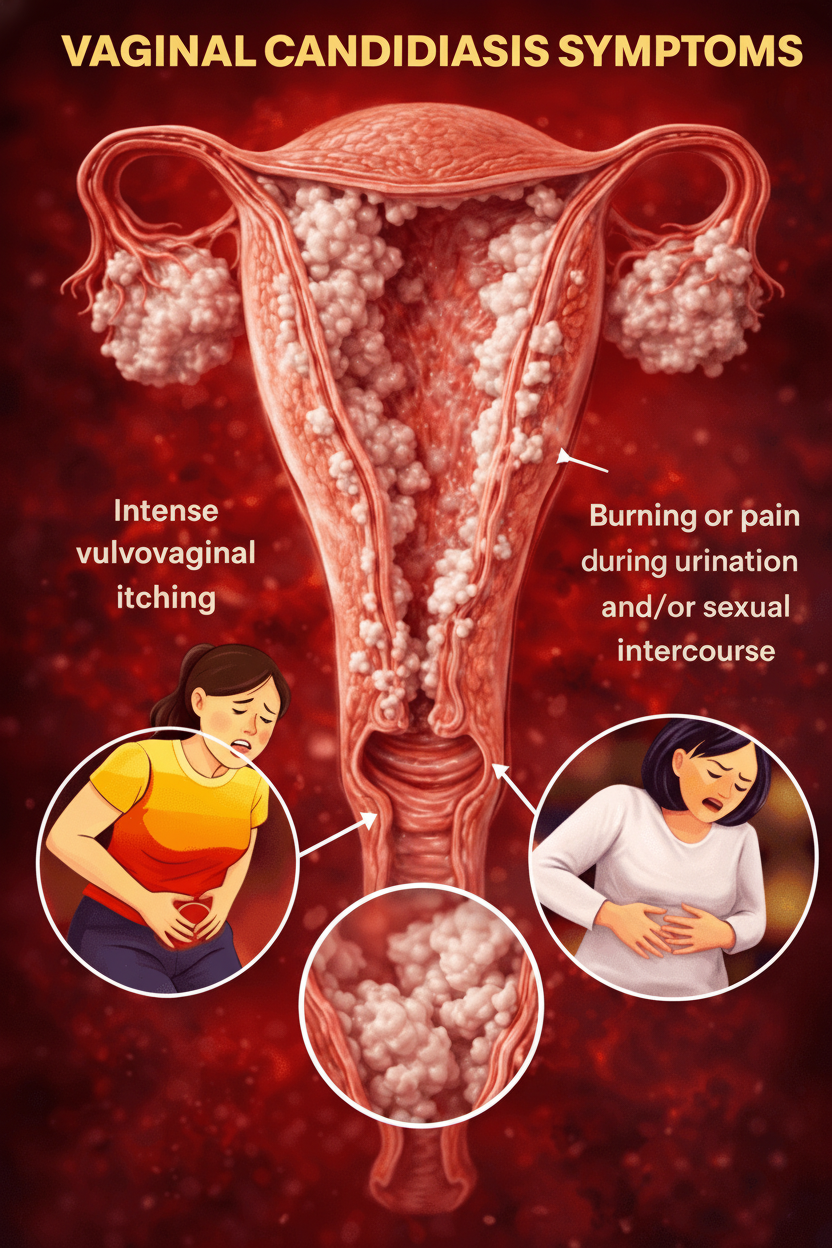
While post-intimacy urination is a critical component of urinary tract protection, combining it with other healthy habits significantly enhances overall defense. Complementary practices include:
- Consuming sufficient water daily
- Opting for breathable cotton underwear
- Steering clear of harsh, scented hygiene products
- Regularly emptying your bladder (avoiding prolonged urine retention)
These practices collectively help diminish irritation and bolster the body’s intrinsic immune responses. An important takeaway here is that proactive prevention frequently proves far simpler than reactive treatment.
⚖️ Understanding the Scope of Post-Intimacy Urination: What It Does and Doesn’t Do
Potential Benefits
- Aids in flushing superficial bacteria
- Contributes to reducing the risk of UTIs
- Promotes overall bladder hygiene
Limitations to Note
- Does not guarantee complete infection prevention
- Is not a substitute for professional medical treatment
- Cannot cure or treat existing urinary symptoms
Should symptoms such as a burning sensation, fever, or persistent urinary urgency emerge, seeking prompt medical evaluation is crucial. While urinating after intimacy offers protection for your urinary tract, it does not serve as a remedy for an active infection.
🧠 Why This Habit Is Often Overlooked
A significant number of individuals are simply never formally educated on essential urinary hygiene practices. Discussions surrounding intimacy frequently focus on emotional aspects, often neglecting the practical health-protective habits that remain unspoken. The reason urinating after intimacy might be overlooked is precisely because it safeguards your urinary tract so quietly and effectively; it lacks a dramatic flair. Yet, its very simplicity is the foundation of its efficacy. Indeed, even minor habits can forge substantial health protection.
✅ Final Thoughts
In conclusion, urinating after intimacy stands as a fundamental practice for safeguarding your urinary tract by aiding in the expulsion of bacteria before they can proliferate. This simple, low-effort habit is a powerful ally for supporting optimal bladder health, particularly valuable for individuals susceptible to urinary discomfort or infections. Embracing this small step can make a significant difference in your overall well-being.