 By admin
 Ever felt that unsettling “pins and needles” sensation in your fingers or toes, or even a complete numbness in your hand or foot?
It’s a common experience, often dismissed as simply “sleeping funny” or poor circulation. While temporary numbness can be harmless, persistent or frequent tingling can be your body’s way of signaling something more significant about your nerve health or other underlying conditions. Research from reputable sources like the Mayo Clinic and Cleveland Clinic highlights that these sensations, often linked to nerve irritation or damage (known as peripheral neuropathy), are frequent complaints.
Understanding the potential reasons behind these feelings can empower you to take proactive steps in your daily routine and know when it’s time to consult a healthcare professional. This guide will explore the common culprits, offer practical lifestyle tips for nerve comfort, and help you decipher what your body might be trying to communicate.
What Exactly Causes That Numb and Tingling Sensation?
Numbness and tingling occur when nerves aren’t transmitting signals correctly. This can range from temporary pressure to more chronic issues affecting the peripheral nerves – the intricate network extending from your spinal cord to your extremities.
While many factors can contribute, some of the most common include:
- Diabetes: High blood sugar levels over time are a leading cause, potentially damaging nerves and leading to peripheral neuropathy.
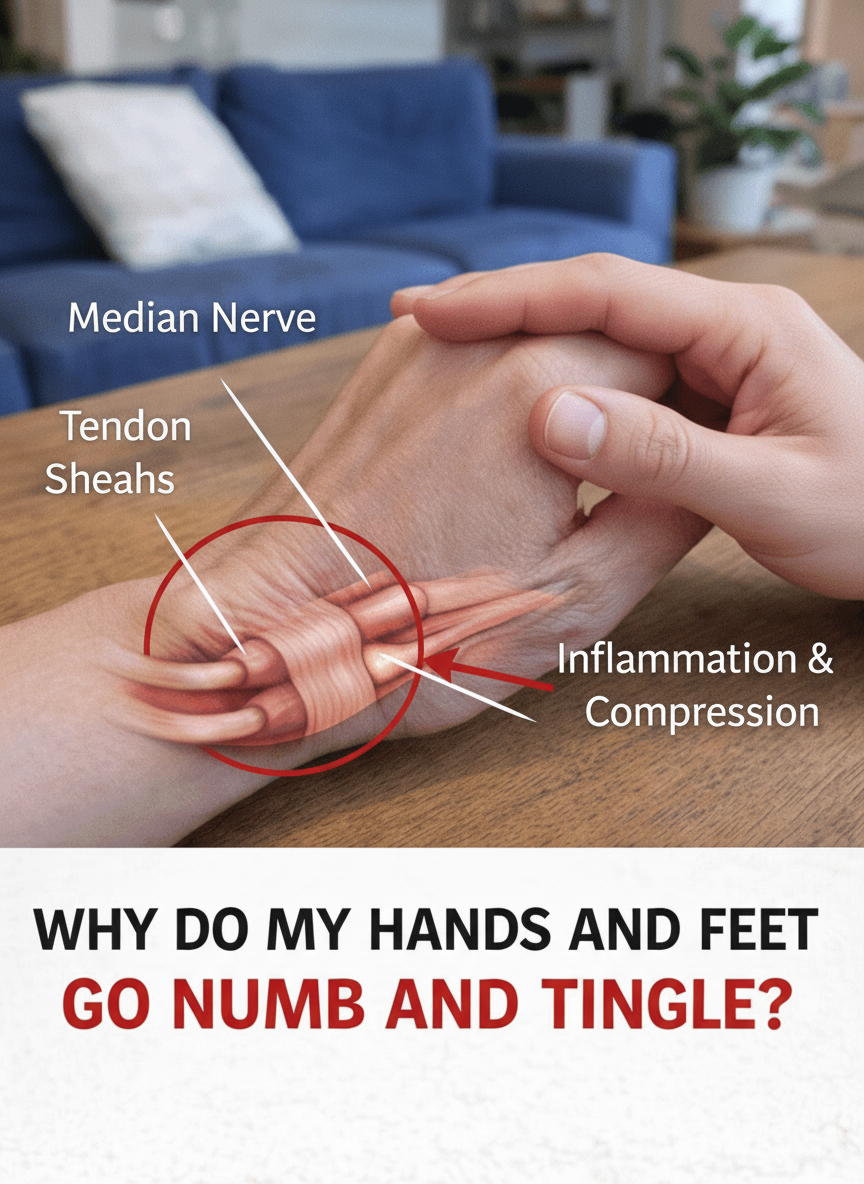
- Nerve Compression: Conditions like carpal tunnel syndrome in the wrists or tarsal tunnel syndrome in the ankles can pinch nerves, causing tingling, especially with certain movements or positions.
- Vitamin Deficiencies: Low levels of specific B vitamins, particularly B12, are crucial for nerve health and can manifest as these unusual sensations.
- Circulation Concerns: Reduced blood flow, whether from prolonged sitting/standing or conditions affecting blood vessels, can temporarily deprive nerves of oxygen.
- Spinal Issues: Problems in the neck or lower back, such as disc degeneration or spinal narrowing, can irritate nerves that travel down to your limbs.
- Lifestyle & Other Factors: Repetitive motions, certain medications, infections, chronic stress, and anxiety can all play a role in triggering or worsening symptoms.
Common Everyday Triggers You Might Not Expect
Beyond medical conditions, many daily habits can temporarily induce or amplify numbness and tingling:
- Sitting cross-legged for extended periods.
- Sleeping with your arm positioned awkwardly under your head or body.
- Engaging in repetitive tasks like typing or using tools without regular breaks.
- Exposure to cold temperatures, which can restrict blood flow.
- Wearing tight clothing or accessories that constrict nerves.
Millions experience temporary episodes due to these simple, often overlooked causes.
Signs It’s More Than Just Temporary
While occasional tingling from awkward positions usually resolves quickly, it’s wise to pay attention if:
- The sensation occurs frequently or lasts longer than a few minutes.
- It affects both sides of your body symmetrically.
- You notice accompanying weakness, pain, or changes in balance.
- The symptoms begin gradually and progressively worsen over time.
According to guidelines from reputable sources like the Mayo Clinic, persistent or bilateral symptoms warrant a closer look from a healthcare provider to rule out underlying issues and ensure timely intervention.
Practical Steps to Support Nerve Comfort in Daily Life
You don’t have to wait for symptoms to escalate. Small, consistent changes can significantly promote better nerve function and circulation. Here’s a proactive approach:
- Take Regular Movement Breaks: Every 30-60 minutes, stand up, stretch your hands, wrists, arms, legs, and feet. Simple wrist circles or toe wiggles can significantly improve blood flow.
- Optimize Posture and Ergonomics: Ensure your workstation supports neutral wrist alignment (not bent up or down) when typing or using a mouse. Use a supportive chair that maintains proper spinal alignment.
- Stay Active with Low-Impact Exercise: Activities like walking, swimming, or gentle yoga for 20-30 minutes most days boost circulation without stressing joints.
- Prioritize Balanced Nutrition: Incorporate foods rich in B vitamins (e.g., leafy greens, whole grains, lean meats) to support nerve health.
By understanding the potential messages your body sends and implementing these practical strategies, you can take control of your nerve health and overall well-being.