 By admin
 Pigweed: Unearthing the Nutritional Powerhouse in Your Garden – Health Benefits & Culinary Uses
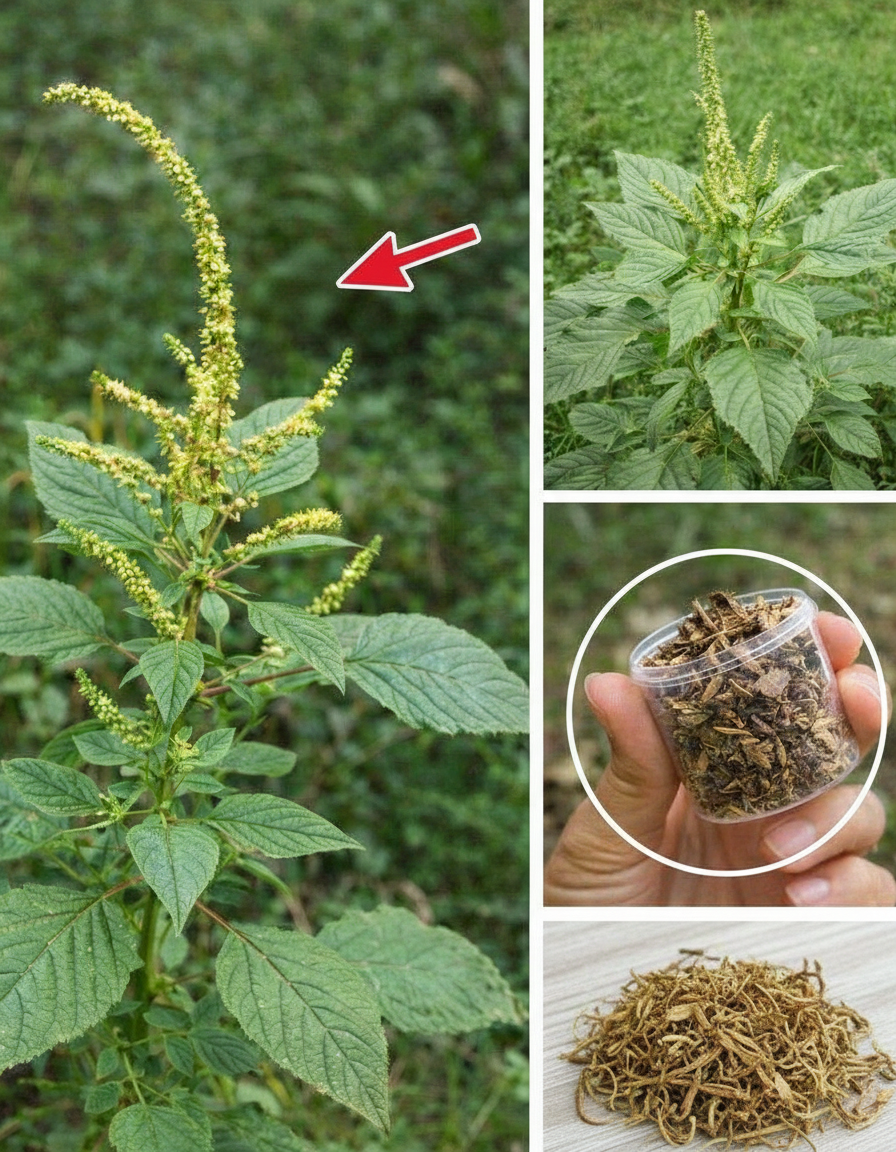
Often dismissed as a mere garden weed, pigweed (a common name for various Amaranthus species) is frequently uprooted and discarded by unsuspecting gardeners. While its vigorous growth can certainly pose a challenge for garden management, this ubiquitous plant harbors a surprising secret: a rich nutritional profile and a long history as a valuable food source across many cultures. This article will unveil why this often-overlooked botanical deserves a prominent place in your diet and how its profound health benefits are easily missed.
What Exactly Is Pigweed?
What exactly is pigweed? It’s a collective term for numerous species within the Amaranthus genus, a group celebrated globally for its resilience and adaptability. These hardy plants flourish in diverse environments, rapidly establishing themselves even in less-than-ideal soil conditions—a trait that contributes to their widespread presence. Intriguingly, this very hardiness is directly linked to their exceptional nutritional density. Historically, many Amaranthus species served as vital staple foods in various regions of Africa, Asia, and Central America. Both the vibrant leaves and tiny seeds of pigweed are edible when properly prepared, offering a reliable and nutrient-rich food source, particularly valued for their rapid growth and minimal cultivation requirements during times of scarcity.
Why Pigweed Is Gaining Renewed Attention
In recent years, the spotlight of modern nutritional research has increasingly turned towards wild and traditional plant foods, recognizing their often superior nutrient profiles. Among these, pigweed is emerging as a true nutritional powerhouse. It uniquely combines the robust benefits of:
- Nutrient-dense leafy greens, akin to spinach
- Wholesome seed nutrition, comparable to ancient grains
- A spectrum of natural plant compounds that bolster overall health and well-being
Furthermore, a key differentiator for pigweed is its ability to thrive without the need for extensive chemical fertilizers or harsh pesticides, making it an incredibly appealing option for individuals prioritizing natural, clean eating and sustainable food choices.
The Top 10 Health Benefits of Pigweed
1. Abundant in Essential Vitamins
Pigweed leaves are a treasure trove of vital vitamins, including a significant presence of vitamins A, C, and various B-complex vitamins. Vitamin A is crucial for maintaining healthy vision and a robust immune system, while vitamin C plays a key role in collagen synthesis and acts as a powerful antioxidant, safeguarding cells from damage. Scientific studies consistently highlight that diets rich in such leafy greens are strongly correlated with superior long-term health outcomes.
2. Exceptional Mineral Profile
This humble plant boasts an impressive concentration of crucial minerals, often surpassing many conventionally cultivated vegetables. Pigweed is notably rich in:
- Calcium
- Iron
- Magnesium
- Potassium
These essential micronutrients are indispensable for numerous bodily functions, including optimal muscle contraction, efficient nerve transmission, and the regulation of healthy blood pressure. Its superior mineral density makes pigweed a standout choice for boosting your daily intake.
3. A Robust Plant-Based Protein Source
Perhaps one of pigweed’s most remarkable attributes is its substantial protein content. Both its lush leaves and its small seeds deliver noteworthy amounts of complete plant protein, encompassing all essential amino acids. This is particularly significant because, unlike most leafy greens which typically offer minimal protein, pigweed stands out as an excellent contributor, making it a valuable asset for vegetarian and vegan diets.
4. Naturally Gluten-Free Seeds
The seeds of pigweed, closely related to the ancient grain amaranth, are inherently gluten-free. This characteristic positions them as an ideal and safe dietary choice for individuals adhering to a gluten-free lifestyle due to sensitivities or celiac disease. These versatile seeds can be prepared in various ways, from a nourishing porridge to a thickening agent in hearty soups and stews.
5. Rich in Dietary Fiber
Pigweed is an excellent source of dietary fiber, offering both soluble and insoluble types. This vital nutrient is fundamental for promoting healthy digestion and ensures a sustained release of energy throughout your day, preventing sudden energy crashes. Given that many contemporary diets often lack sufficient fiber, incorporating pigweed can be an effective and natural way to bridge this nutritional deficit.
6. Packed with Potent Antioxidant Compounds
This resilient plant is abundant in powerful antioxidant compounds, including flavonoids and various phenolic acids. These natural protectors actively combat oxidative stress within the body, a process often triggered by environmental pollutants and daily metabolic activities. Extensive research consistently demonstrates that diets rich in antioxidants are strongly associated with enhanced overall wellness and healthy aging.
7. Promotes Cardiovascular Health
With its beneficial blend of potassium, dietary fiber, and unique plant compounds, pigweed seamlessly integrates into a heart-healthy dietary regimen. Potassium is essential for counteracting the effects of sodium and maintaining healthy blood pressure, while fiber actively contributes to balanced cholesterol levels. Furthermore, pigweed is naturally low in saturated fat, reinforcing its role as a heart-protective food.
8. Contributes to Strong Bone Health
The significant amounts of calcium and magnesium found in pigweed are crucial for the development and maintenance of strong, healthy bones. Incorporating leafy greens such as pigweed is frequently advised as a cornerstone of balanced diets designed to support long-term bone density and integrity. This benefit is particularly valuable for individuals who restrict or avoid dairy products.
9. Highly Digestible When Prepared Correctly
When pigweed leaves are subjected to light cooking, they transform into a tender and easily digestible food. Traditional culinary practices frequently involve briefly sautéing or boiling the leaves, methods that not only enhance their flavor but also improve their texture. The secret to unlocking pigweed’s full potential, both nutritionally and culinarily, truly lies in its proper preparation.
10. Accessible and Highly Sustainable Food Source
One of pigweed’s most compelling advantages is its ubiquitous presence; it thrives in nearly every corner of the globe. This widespread accessibility positions it as an exceptionally sustainable food source with a remarkably low environmental footprint. In an era of escalating food prices and growing concern for ecological sustainability, embracing the utilization of edible wild plants like pigweed offers both practical and environmental benefits, providing a resilient and nutritious option for global food security.
Reclaim Your Garden’s Hidden Gem
From a humble garden weed to a celebrated superfood, pigweed undeniably offers a wealth of nutritional benefits that have been overlooked for too long. Its remarkable resilience, combined with its rich profile of vitamins, minerals, protein, and fiber, makes it a valuable addition to any diet. By understanding its true potential and learning proper identification and preparation techniques, you can transform this common plant into an extraordinary source of health and sustenance, truly a hidden gem waiting to be rediscovered in your own backyard.