 By admin
 Persistent Pests: Decoding Why Rats and Cockroaches Keep Returning and Natural Strategies to Deter Them
Dealing with persistent pests like rats and cockroaches can be a frustrating challenge for homeowners and businesses alike. These resilient creatures are drawn to environments offering ample food, water, and secure shelter, making our properties ideal havens. Rats, known for their remarkable intelligence and adaptability, can navigate incredibly small openings – often as tiny as a quarter – and scale various surfaces with ease. Similarly, cockroaches are formidable survivors, capable of enduring weeks without sustenance and possessing an acute sense of smell to locate resources from a distance. The issue often escalates when subtle entry points go undetected or when food debris and crumbs accumulate, providing an irresistible invitation.
While expert pest control research consistently highlights that improved sanitation significantly reduces pest sightings, an integrated approach combining meticulous hygiene with natural deterrents frequently delivers superior results, especially for minor infestations. The good news is that you don’t always need to resort to costly traps or immediate professional intervention. Many effective and simple household strategies can transform your space into a less welcoming environment for these unwanted guests.
Exploring Popular Natural Pest Deterrents
Individuals often explore natural solutions, leveraging scents and textures that common household pests find repulsive or disorienting. Here’s a brief look at some widely attempted natural deterrents:
- Peppermint Essential Oil: Rodents, including rats, possess an extremely sensitive olfactory system. The potent, invigorating aroma of peppermint oil can be overwhelming and unpleasant for them. A common application involves soaking cotton balls in pure peppermint essential oil and strategically placing them near known entry points, cracks, or areas of pest activity.
- Dried Bay Leaves: Certain compounds naturally present in dried bay leaves are believed to act as a mild repellent for various insects and rodents. Crushing these leaves and scattering them in pantry corners, cabinets, or along baseboards offers a low-cost, low-effort method to discourage pests.
- Strong Spices (e.g., Cayenne Pepper, Garlic): Spices known for their intense aromas, such as cayenne pepper or crushed garlic, can create scent-based barriers. Pests are typically deterred by these powerful smells, making them less likely to cross treated areas.
While these methods utilize strong sensory deterrents, there’s another remarkably simple and accessible item that has gained attention for its role in pest management: uncooked rice.
Unveiling the Unexpected: Uncooked Rice in Pest Deterrence
The use of uncooked rice as a pest deterrent has garnered considerable interest within the realm of natural home remedies. The underlying principle is quite intriguing: rodents, particularly rats, are instinctively attracted to easily accessible food sources. By strategically placing open containers of plain uncooked rice in areas where pest activity is observed, the rice can serve as a diversion, drawing their attention away from other parts of your home, such as your pantry or kitchen counters.
Reports from homeowners suggest that this tactic can effectively reduce visible pest activity in unwanted areas, as the rodents gravitate towards the readily available rice. It’s crucial to understand that this isn’t a miraculous “disappearing act” solution overnight, nor is it a method to eliminate pests. Instead, it functions as a component of an integrated pest management (IPM) strategy, focusing on behavior redirection rather than eradication. A significant advantage of this approach is its non-toxic nature, making it safe for households with children and pets. However, its true efficacy is unlocked when combined with other proactive preventive measures for sustained, long-term pest discouragement.
Practical Guide: Integrating Uncooked Rice into Your Pest Deterrence Strategy
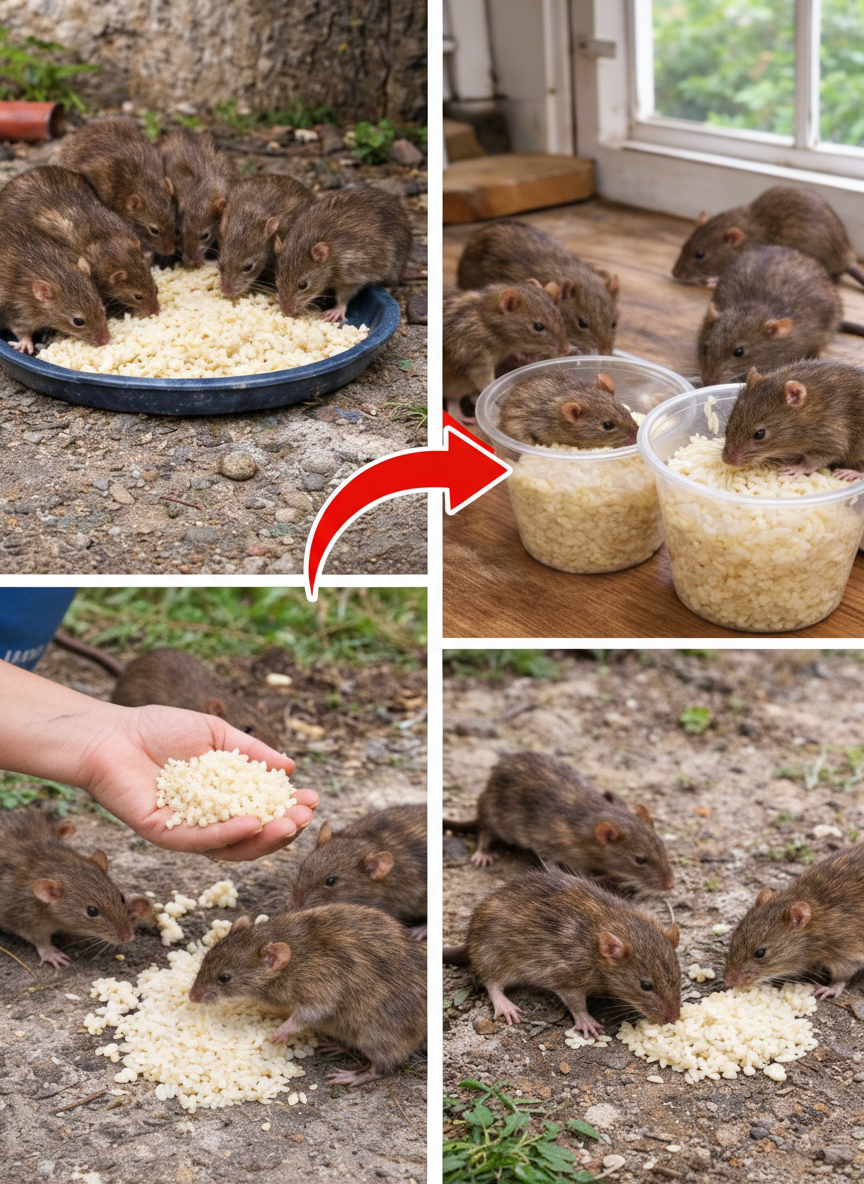
If you’re ready to implement this natural solution, follow these actionable steps for optimal results in your home:
- Assemble Your Supplies: You’ll need plain uncooked white rice (either short or long grain is suitable), small disposable cups or shallow dishes, and optionally, a few dried bay leaves to enhance the deterrent effect.
- Pinpoint Pest Hotspots: Conduct a thorough inspection of your property. Look for common indicators of pest presence, such as droppings, gnaw marks on surfaces, or actual sightings. Focus your search on areas like kitchens, pantries, basements, garages, and near external entry points.
- Prepare the Deterrent Stations: Fill your chosen containers approximately halfway with uncooked rice. To amplify the repelling properties, consider crushing 2-3 dried bay leaves and mixing them into the rice or sprinkling them on top; their distinct aroma can provide an additional layer of discouragement for pests.
- Strategic Placement: Position these rice-filled containers discreetly in corners, along walls, or adjacent to suspected entry points where pests might gain access. Ensure they are placed in low-traffic zones, out of reach of curious pets or young children who might accidentally disturb them.
- Monitor and Replenish: Make it a habit to check your deterrent stations daily. If you notice the rice has been disturbed, consumed, or appears stale, promptly refill or replace it. This step should be integrated with other crucial pest prevention measures, such as sealing cracks and diligently cleaning up any food crumbs.
- Sustain Consistency: For the best outcomes, refresh the rice and bay leaf mixture every few days. Continuously monitor pest activity and observe any changes over a period of one to two weeks. This method is not only remarkably inexpensive, utilizing items you likely already possess, but it also contributes to creating an environment that is generally less hospitable to pests.
Enhancing Your Pest Control Efforts: Complementary Strategies
To achieve the most effective and lasting results in your pest deterrence plan, it’s essential to integrate a multi-faceted approach. Incorporate these additional habits into your routine:
- Secure Entry Points: Diligently inspect your home for any small cracks, gaps, or holes in walls, foundations, and around pipes. Seal these vulnerabilities using appropriate materials like steel wool, caulk, or mesh to block potential entryways for rodents and insects.
- Eliminate Accessible Food Sources: Pests are primarily driven by hunger. Ensure all pantry items, cereals, and pet food are stored in airtight, sealed containers. Make it a daily practice to wipe down kitchen surfaces, sweep floors, and promptly clean up any food spills or crumbs.
- Control Moisture Levels: Water is just as vital as food for pests. Promptly repair any leaky faucets, pipes, or roofs. In damp areas like basements or bathrooms, consider using dehumidifiers to reduce moisture, making these spaces less appealing to cockroaches and other moisture-loving insects.
- Utilize Natural Scent Boosters: Beyond the rice and bay leaf method, periodically rotate or add other natural scent deterrents. Placing peppermint oil-soaked cotton balls in strategic locations can provide an additional layer of sensory discouragement, keeping pests disoriented and away.
Behavioral studies on rodents and insects consistently demonstrate that sustained environmental modifications yield significantly better long-term outcomes than relying on isolated “tricks.” Here’s a comparative overview of popular natural pest control methods:
| Method | Ease of Implementation | Cost | Potential Drawback | Best Suited For |
|---|---|---|---|---|
| Uncooked Rice Diversion | Very Easy | Very Low | Requires consistent monitoring and refilling | Addressing mild activity and redirecting pests |
| Peppermint Essential Oil | Easy | Moderate | Scent potency diminishes relatively quickly | Deterring scent-sensitive pests like rodents |
| Crushed Bay Leaves | Easy | Low | Limited robust scientific evidence for efficacy | Targeting small areas, such as cabinets and drawers |
| Comprehensive Sealing & Cleaning | Moderate | Low to Moderate | Initial time investment can be significant | Achieving robust, long-term pest prevention |
Managing Expectations and Knowing When to Call a Professional
When you consistently apply an integrated strategy—combining the uncooked rice diversion method with enhanced household hygiene—many individuals observe a noticeable reduction in pest sightings within a few days. However, it’s important to set realistic expectations; the exact timeline and effectiveness can vary significantly depending on the scale of the existing infestation and the specific layout of your home. Patience is a critical virtue, as pests are creatures of habit and adapt gradually to changes in their environment.
Should pest activity persist, intensify, or if you encounter signs of a severe infestation despite your diligent efforts, it’s a clear indication to elevate your approach. At this juncture, we highly recommend consulting a certified professional pest management service. Experts can provide a comprehensive assessment, identify hidden entry points, and implement targeted, tailored solutions that may be necessary for more challenging situations.
Frequently Asked Questions About Natural Pest Deterrence
- Does uncooked rice truly make pests disappear quickly?
- Uncooked rice is primarily a diversionary tactic rather than an extermination method. It can effectively redirect pests’ attention from sensitive areas of your home and, in many instances, lead to a reduction in visible activity. However, it’s most effective when integrated into a broader pest management plan that includes strict sanitation and sealing entry points. It is not designed to make pests “disappear” overnight, but rather to manage their presence