 By admin
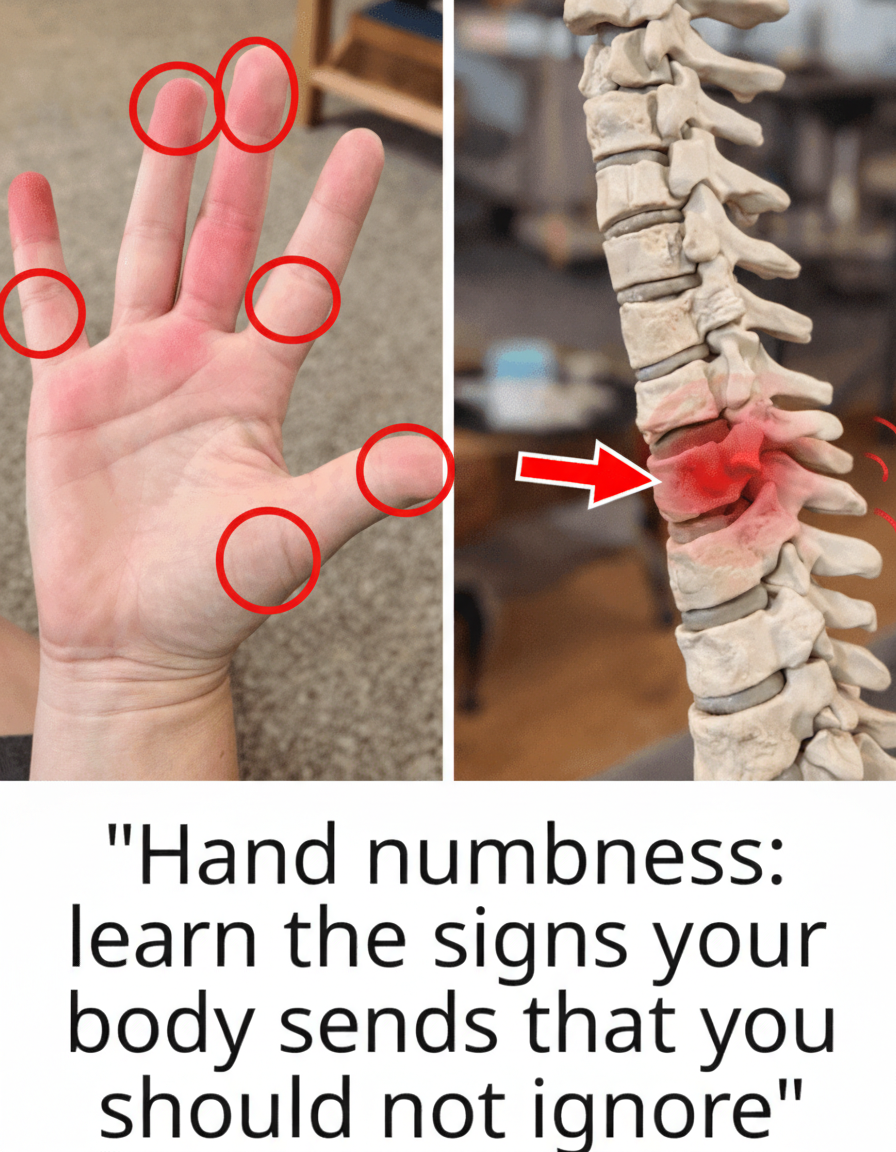
 Have you ever experienced that unsettling sensation of your hands suddenly going numb, tingling, or feeling weak – especially when it recurs frequently? Initially, many might dismiss it, thinking, “I must have slept awkwardly,” or “I’ve been on my phone too much.” However, when this numbness becomes a regular occurrence, lasts longer, or feels unusually strange, that subtle bodily signal can escalate into a critical message.
The truth is, frequent hand numbness often serves as an early, quiet alert for several serious health issues that many individuals overlook in their nascent stages. Stick with us until the end – there’s a very common daily habit that significantly exacerbates hand numbness, and nearly everyone practices it incorrectly.
1. Carpal Tunnel Syndrome – The Foremost Nerve Impairment in the Workplace
Carpal tunnel syndrome arises when the median nerve, a major nerve traversing your wrist, experiences prolonged compression or pressure. This condition is particularly prevalent among individuals who:
- Spend extensive hours working on computers or laptops.
- Utilize a computer mouse intensively.
- Perform repetitive gripping movements (e.g., hairdressers, chefs, factory workers).
Early indicators commonly observed include:
- Numbness and tingling predominantly in the thumb, index, and middle fingers.
- A sensation of weakness in the hands, especially upon waking.
- Increased frequency of dropping objects.
Important: If your numbness is confined solely to the pinky and ring finger, it is highly improbable that you have carpal tunnel syndrome.
2. Peripheral Neuropathy – When Distal Nerves Are Compromised
Peripheral neuropathy signifies damage to the nerves situated far from the brain and spinal cord, such as those in the hands and feet. Currently, the most frequent cause is:
- Diabetes (both type 1 and type 2).
Other common contributors include:
- Chronic heavy alcohol consumption.
- Chemotherapy.
- Certain infections.
- Severe vitamin deficiencies.
Individuals typically describe the sensation as:
- Burning, stinging, or electric-shock-like pain.
- Extreme sensitivity to touch (even a bedsheet can cause discomfort).
- Simultaneous numbness and pins-and-needles sensations.
3. Neck & Cervical Spine Issues – Pain That Radiates Downward
Many are surprised to discover that the root cause of their hand numbness originates in their neck. Common conditions include:
- Herniated or bulging discs in the cervical spine.
- Cervical spondylosis (age-related wear and tear of the neck vertebrae).
- Spinal stenosis (narrowing of the spinal canal).
A typical combination of symptoms that often points to a neck problem includes:
- Numbness or tingling in one or both hands.
- Neck stiffness or pain when turning the head.
- Shoulder pain or discomfort between the shoulder blades.
4. Stroke – The Most Urgent Symptom You Must Never Overlook
Sudden numbness or weakness affecting only one hand (particularly if it manifests very rapidly) can be one of the earliest indicators of a stroke. Call emergency services immediately if you experience any of these symptoms concurrently:
- Abrupt numbness or weakness on one side of the body.
- Difficulty speaking or understanding speech.
- Facial drooping on one side.
- Sudden, severe headache, dizziness, or loss of balance.
Every minute is crucial – this is not a situation where you should “wait and see.”
5. Multiple Sclerosis (MS)
Multiple Sclerosis is an autoimmune disorder where the body’s immune system mistakenly attacks the protective myelin sheath covering nerves. One of the very common initial symptoms (especially in younger adults) is:
- Numbness and tingling that can migrate to different parts of the body.
This often appears alongside:
- Blurry vision or vision loss in one eye.
- Profound fatigue that feels distinctly different from normal tiredness.
- Problems with balance and coordination.
6. Vitamin Deficiency – Particularly B12 – Widespread & Frequently Missed
Nerves require specific vitamins to maintain optimal health. The most common deficiencies leading to numbness in the hands or feet are:
- Vitamin B12: Very prevalent in vegetarians, vegans, and older adults.
- Vitamin B6: Both insufficient and excessive levels can cause issues.
- Vitamin E: A rarer cause.
An additional warning sign to consider if you also feel:
- Constantly very tired.
- A sore or red tongue.
- Worsening memory or concentration.
7. Circulation Problems – When Blood Flow Is Impaired
If blood supply to the hands is compromised, nerves and tissues quickly begin to signal distress. You should consider circulatory issues if you experience:
- Hands becoming numb and extremely cold.
- Hands appearing pale or bluish.
- Fingers dramatically changing color when exposed to cold (from white to blue to red).
Common causes include peripheral artery disease, Raynaud’s phenomenon, and blood clots.
8. Autoimmune & Inflammatory Conditions
Several autoimmune disorders can affect the nervous system, resulting in persistent numbness and tingling. The most frequently observed conditions include:
- Rheumatoid arthritis.
- Lupus (Systemic Lupus Erythematosus – SLE).
- Sjögren’s syndrome.
Typical accompanying clues are:
- Pain and swelling in multiple joints.
- Chronic, profound fatigue.
- Dry eyes and dry mouth (especially with Sjögren’s).
When Should You Consult a Doctor? (Prompt Action Is Key)
It is advisable to seek medical attention without delay if:
- Numbness occurs daily or persists for many hours.
- You frequently drop objects or feel unusually clumsy.
- The numbness is accompanied by severe pain, weakness, or other concerning symptoms.
- The numbness spreads or worsens over time.