 By admin
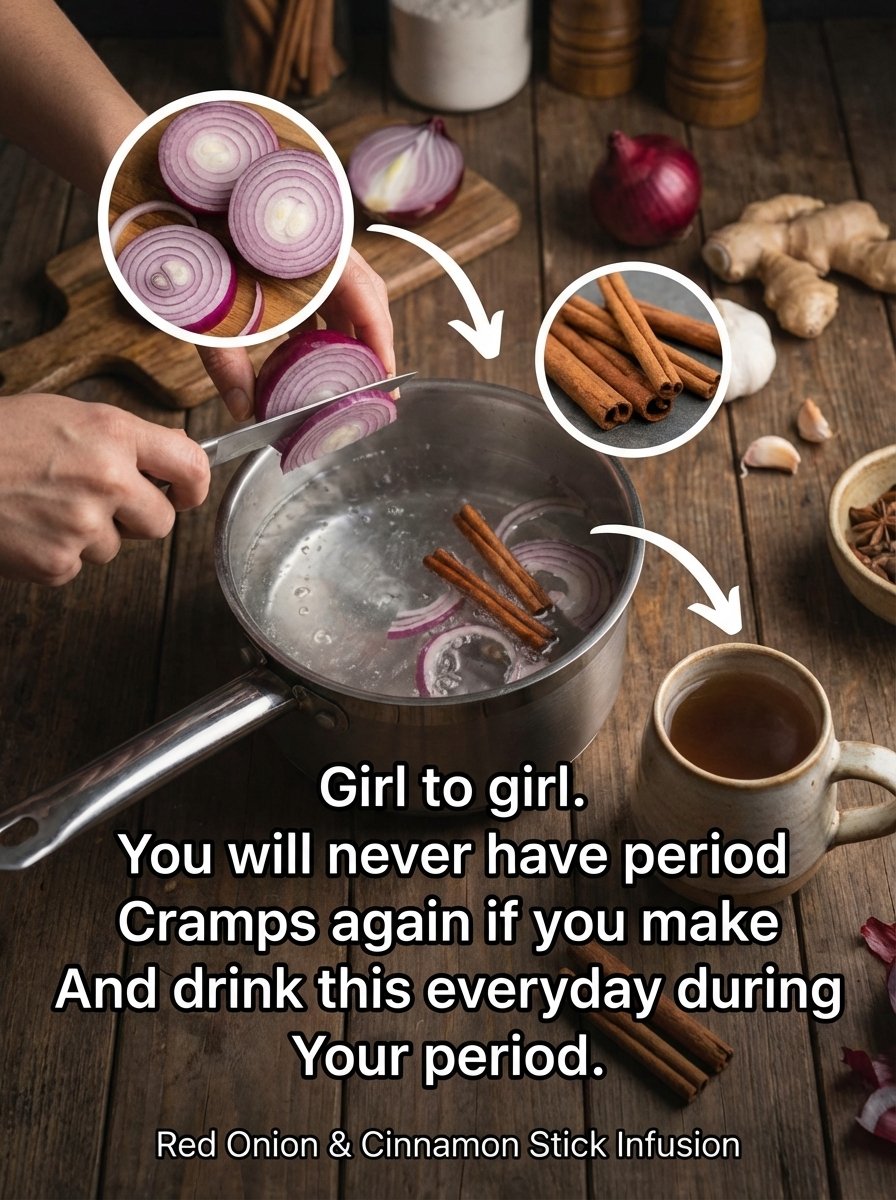
 Tired of those relentless period cramps hijacking your life every month? A buzzworthy ‘girl-to-girl’ tip sweeping social media promises astonishing relief with a surprisingly simple home remedy: a daily cup of boiled onion and cinnamon tea during your period. Its advocates swear it can significantly lessen discomfort, boost blood flow, and make your menstrual cycle much more manageable.
But what’s the real story behind this intriguing recommendation? And more importantly, does this viral concoction actually deliver on its promises? Let’s dive deep into the facts, offering a straightforward, evidence-backed perspective.
Decoding Period Cramps: What’s Really Happening?
Those familiar monthly aches, medically termed dysmenorrhea, arise when your uterus tightens to shed its uterine lining. These powerful contractions are primarily initiated by hormone-like compounds known as prostaglandins. Elevated levels of these prostaglandins can intensify uterine activity, leading to more severe and agonizing pain.
This uterine action often manifests as:
-
Aching in the lower abdomen
-
Discomfort radiating to the back or thighs
-
A sensation of heaviness or tightness in the abdominal area
-
Occasional headaches or general fatigue
While many turn to over-the-counter painkillers, soothing heat pads, or simply rest to manage these symptoms, a growing number are exploring natural remedies to encourage bodily relaxation and alleviate discomfort. This growing interest is exactly what brings onion and cinnamon into the spotlight for period relief.
The Power of Onion: More Than Just Flavor?
Far from being just a culinary essential, onions boast a rich composition of compounds recognized for their wide array of potential health advantages, such as:
-
Potent antioxidants (notably quercetin)
-
Beneficial anti-inflammatory compounds
-
Various essential vitamins and minerals in modest quantities
Considering that systemic inflammation significantly contributes to various types of pain, including the discomfort experienced during menstruation, the anti-inflammatory capabilities of onions lead some to theorize they could effectively diminish the severity of period cramps by soothing bodily inflammation.
Historically, onions have been incorporated into traditional practices across various cultures for purposes such as:
-
Enhancing blood circulation
-
Providing a warming effect for the body
-
Alleviating minor aches and discomforts
By simmering onions in water, a portion of these beneficial compounds infuses into the liquid, resulting in a gentle, herbal-like infusion.
Cinnamon’s Claim to Fame: A Spice for Soreness?
In the realm of natural health, cinnamon enjoys a far greater reputation for its potential in managing menstrual discomfort. Numerous research studies indicate that cinnamon could offer assistance with:
-
Alleviating the severity of menstrual cramps
-
Helping to reduce inflammatory responses
-
Mitigating bothersome symptoms like bloating and nausea
This fragrant spice is rich in active compounds, notably cinnamaldehyde, which exhibits both anti-inflammatory and antispasmodic (muscle-relaxing) properties. Given that period cramps are essentially involuntary muscle contractions of the uterus, any agent capable of promoting muscle relaxation could potentially offer relief from the associated pain.
Within various traditional medicine systems, cinnamon is frequently lauded as a “warming” spice, believed to enhance circulation and effectively soothe discomfort linked to bodily coldness or muscular tension.
The Synergistic Blend: Onion Meets Cinnamon
By blending onion and cinnamon into a warm, boiled beverage, you’re essentially bringing together:
-
Onion’s notable anti-inflammatory and antioxidant attributes
-
Cinnamon’s recognized muscle-relaxing and blood flow-enhancing capabilities
The underlying principle is straightforward:
-
Reduced inflammation combined with eased muscle tension could equate to a decrease in menstrual cramps
While this isn’t a miraculous remedy, many individuals discover that warm herbal beverages can:
-
Promote overall bodily relaxation
-
Enhance general comfort levels
-
Alleviate sensations of tightness or pressure experienced in the lower abdominal region
Furthermore, the simple act of consuming a warm beverage during menstruation is inherently comforting for many, regardless of its specific contents. Warmth is known to boost circulation and can inherently diminish pain signals.
Brewing Your Own: A Simple Preparation Guide
Here’s a straightforward and widely used method for preparing this tea:
-
Take half to one medium onion and slice it
-
Incorporate 1 small cinnamon stick (alternatively, a modest pinch of ground cinnamon powder)
-
Simmer these ingredients in water for approximately 10–15 minutes
-
Strain the liquid and consume one cup daily throughout your menstrual cycle
To enhance the palatability, as the unadulterated onion tea can possess a rather potent flavor, many choose to sweeten it with a touch of honey.
The Million-Dollar Question: Is This a Permanent Cramp Solution?
The concise answer is a resounding No. It’s crucial to understand that no single beverage can credibly promise to eliminate period cramps indefinitely.
Instead, what this type of herbal infusion might achieve includes:
-
Offering a slight reduction in pain intensity for some individuals
-
Aiding in general bodily relaxation
-
Delivering a soothing sense of comfort and warmth
-
Contributing to an enhanced sense of overall well-being during menstruation
Individual responses vary significantly. While some may experience genuine relief from cinnamon-infused beverages, others might notice only minor improvements, or none whatsoever. It’s also vital to remember that excruciating or persistent period pain could signal underlying medical conditions that cannot be resolved by home remedies alone.
Therefore, it’s most accurate to view this concoction as a supportive, natural comfort drink, rather than a definitive miracle cure.
Crucial Safety Considerations (Please Read!)
Prudent use is advised, even when dealing with natural ingredients:
-
Consuming cinnamon in excessive quantities can be unsafe. Always adhere to modest, culinary-level dosages.
-
Exercise caution if you suffer from known allergies, gastrointestinal issues, or any pre-existing medical conditions.
-
Should your menstrual pain be exceptionally severe, unremitting, or progressively worsening, it is imperative to consult a healthcare professional or a trusted adult.
Furthermore, this homemade tea should never be considered a substitute for professional medical treatment, especially if you’re experiencing severe menstrual pain, unusually heavy bleeding, bouts of dizziness, or irregular/missed periods.
Beyond the Brew: Additional Natural Cramp Relief Methods
For those seeking supplementary gentle and safe approaches to alleviate menstrual discomfort, the following methods frequently prove beneficial:
-
Applying a comforting heating pad to the lower abdomen
-
Engaging in mild stretching exercises or gentle physical activity
-
Consuming plenty of warm beverages
-
Ensuring adequate rest and sleep
-
Maintaining a diet of regular, well-balanced meals
Often, integrating several minor self-care practices yields more effective results than depending solely on a single remedy.
The Final Verdict on Onion & Cinnamon Tea
In conclusion, the boiled onion and cinnamon tea emerges as a traditional-style home remedy that could potentially offer enhanced comfort to some individuals experiencing menstruation. Both ingredients contribute anti-inflammatory and muscle-relaxing benefits, while the inherent warmth of the beverage provides an additional layer of soothing relief.
Nevertheless, it’s crucial to acknowledge that this tea is not a definitive cure for period cramps, nor will it permanently eradicate them. Consider it a mild, complementary, and comforting choice—a potential aid that may offer some relief, particularly when integrated with adequate rest, external warmth, and comprehensive self-care practices.
Should your cramps become debilitating or significantly disrupt your daily activities, the most judicious course of action remains to consult with a qualified medical professional, rather than solely depending on advice found online.