 By admin
 Papaya seeds have garnered considerable attention in recent years, particularly in regions where the fruit thrives, such as Southeast Asia, India, parts of Africa, the Caribbean, and Latin America. Traditionally, these humble seeds have been employed as a folk remedy to alleviate joint discomfort, stiffness, and inflammation. Many individuals integrate them into their daily routine by chewing small quantities of fresh seeds, blending them into smoothies, or consuming them in dried, powdered form. Users frequently report notable improvements, including reduced morning stiffness, less discomfort in knees and hips, and enhanced mobility, typically observed after 2 to 8 weeks of consistent intake.
This comprehensive guide offers a clear and realistic examination of what traditional practices and current evidence suggest about papaya seeds for joint support. We will delve into their potential benefits, practical preparation methods, realistic expectations for results, and crucial safety warnings.
Why Papaya Seeds Are Believed to Support Joint Comfort
The therapeutic potential of papaya seeds for joint health is often attributed to several bioactive compounds that have demonstrated anti-inflammatory and analgesic (pain-relieving) properties in laboratory and animal studies:
- Benzyl Isothiocyanate (BITC): As the primary bioactive component, BITC exhibits potent anti-inflammatory effects. It achieves this by inhibiting key inflammatory pathways, specifically NF-κB and COX-2, a mechanism similar to that of non-steroidal anti-inflammatory drugs (NSAIDs).
- Carpaine & Other Alkaloids: These compounds contribute mild analgesic and anti-inflammatory benefits.
- Fatty Acids & Flavonoids: Rich in these beneficial compounds, papaya seeds help reduce oxidative stress throughout the body and play a supportive role in maintaining cartilage health.
- Enzymes (Papain, Chymopapain): These proteolytic enzymes may assist the body in breaking down inflammatory proteins, potentially aiding in the resolution of inflammation.
Scientific Insights & Traditional Applications (2025 Status)
Current research offers a mixed but promising picture:
- Animal Studies: Consistently, animal models of arthritis have shown that papaya seed extract can significantly reduce paw swelling, with some trials indicating efficacy comparable to indomethacin, a conventional anti-inflammatory drug.
- In-vitro Studies: Laboratory tests on cells demonstrate a strong inhibitory effect of papaya seed compounds on inflammatory cytokines such as TNF-α, IL-6, and IL-1β, as well as COX-2 enzymes.
- Human Evidence: While promising, human clinical research remains quite limited. Existing data primarily consists of small open-label studies, individual case reports, and ethnobotanical surveys from regions like Nigeria, India, and Malaysia, which document symptom relief among individuals experiencing arthritis or general joint pain. As of 2025, large-scale, randomized controlled trials specifically investigating papaya seeds for conditions like osteoarthritis, rheumatoid arthritis, or chronic joint pain are yet to be conducted.
Traditional & Effective Ways to Incorporate Papaya Seeds for Joint Support
For those considering integrating papaya seeds into their wellness routine, here are the most common and effective traditional methods:
Method 1: Chewing Fresh Seeds Daily (Potent Traditional Approach)
This method is considered by many traditional practitioners to be the most potent due to the seeds’ fresh enzymatic activity.
- Carefully scoop seeds from approximately ½ to 1 ripe papaya.
- Rinse them thoroughly under water to remove any residual fruit pulp.
- Slowly chew ½ to 1 level teaspoon (roughly 5–10 grams) of these fresh seeds, then swallow.
- Follow with a glass of water or a small piece of fruit to mitigate their distinct peppery and bitter taste.
- Begin with ½ teaspoon for 3–5 days to assess tolerance before gradually increasing the dosage if comfortable.
Method 2: Dried & Powdered Seeds (Convenient for Long-Term Use)
For easier storage and daily integration, dried and powdered seeds are a popular choice.
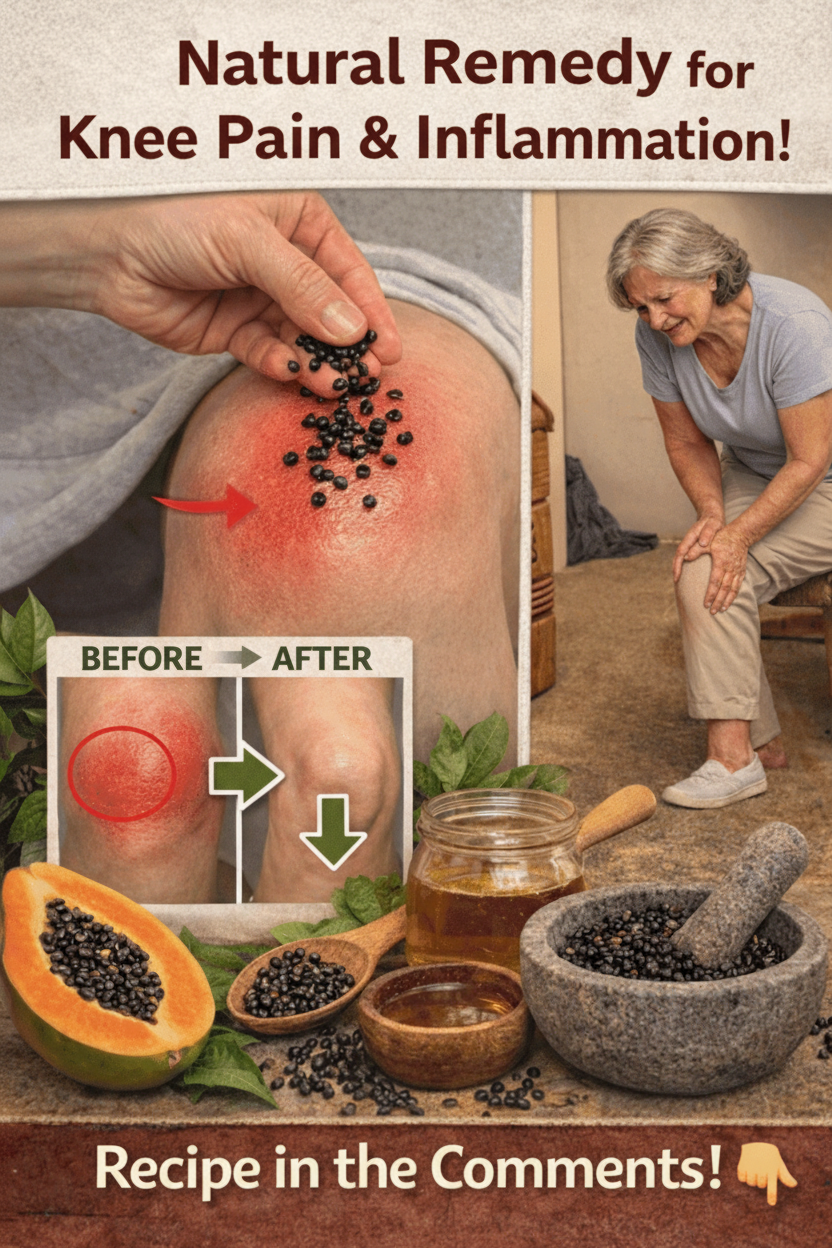
- Rinse the seeds and allow them to air-dry completely. This can be done by sun-drying or using a food dehydrator.
- Once fully dry, grind them into a fine powder using a coffee grinder or spice mill.
- Take ½ to 1 teaspoon of this powder daily. It can be easily mixed into water, smoothies, yogurt, or honey.
- Store the powder in an airtight jar in a cool, dark place; it can last for 6–12 months.
Method 3: Papaya Seed Tea (Gentler on the Stomach)
For those with sensitive stomachs, a tea offers a milder way to consume the beneficial compounds.
- Crush 1 teaspoon of dried papaya seeds.
- Steep the crushed seeds in 250 ml (approximately 1 cup) of hot water for 10–15 minutes.
- Strain the mixture and drink one cup daily.
Frequency & Maintenance Guidelines
- Initial Phase: Consume ½–1 teaspoon of seeds (or the equivalent tea) daily for 4–12 weeks to accurately evaluate your body’s response.
- Maintenance: If beneficial effects are observed, continue with 4–6 days per week.
- Breaks: It’s advisable to take short breaks, such as one week off every 6–8 weeks, to prevent potential tolerance buildup and allow the body to reset.
Setting Realistic Expectations & Timeline for Benefits
The effects of papaya seeds are typically gradual and cumulative. Here’s a realistic timeline of what you might expect:
- Days 3–14: Many individuals report mild reductions in bloating or digestive discomfort, as the seeds also possess carminative properties. You might also notice a slight warming sensation or a subtle improvement in energy levels.
- Weeks 3–8: This period often brings more noticeable changes, including less morning stiffness, improved joint mobility, and a general reduction in overall body inflammation, with some users describing a “lighter” feeling.
- Weeks 8–16: For many, this is when significant improvements in chronic joint discomfort become evident, leading to better tolerance for physical activities.
What Papaya Seeds Are NOT Designed To Do
It’s crucial to understand the limitations of papaya seeds as a natural remedy:
- They do NOT replace prescription anti-inflammatory medications or disease-modifying antirheumatic drugs (DMARDs) for conditions like rheumatoid arthritis.
- They do NOT cure osteoarthritis or reverse existing cartilage loss.
- Their effectiveness varies widely among individuals, as results depend significantly on the underlying cause and severity of joint pain. They may not work equally for everyone.
Important Safety Notes & Cautions
Papaya seeds are generally considered safe for most healthy adults when consumed at the recommended dosage of ½–1 teaspoon per day. However, several important precautions should be observed:
- Stomach Irritation: Due to their peppery nature, papaya seeds can cause nausea, heartburn, or diarrhea in sensitive individuals. It is highly recommended to start with a very low dose (e.g., ¼ teaspoon) and gradually increase.
- Fertility Concerns (Men): High doses of papaya seeds have been traditionally used as a male contraceptive in some cultures. Animal studies have shown a reversible reduction in sperm count and motility. Therefore, men actively trying to conceive should avoid regular, high intake of papaya seeds.
- Pregnancy / Breastfeeding: Avoid medicinal doses of papaya seeds during pregnancy and breastfeeding. Traditional uses in high amounts have been associated with abortifacient properties. Always consult a physician before use if pregnant or nursing.
- Blood-Thinning Medications: Papaya seeds may possess mild anti-platelet effects. If you are taking blood-thinning medications such as warfarin or aspirin, monitor your condition closely and consult your doctor before incorporating papaya seeds.
- Allergy: While rare, some individuals may experience an allergic cross-reaction if they are sensitive to papaya fruit or latex.
The Bottom Line
Papaya seeds stand out as a popular traditional remedy embraced by many seeking to naturally support reduced joint inflammation, enhance mobility, and improve overall comfort. They appear particularly beneficial when low-grade inflammation or oxidative stress contributes to joint issues. Their effects are generally gentle and cumulative, with many individuals experiencing less stiffness and easier movement after 4 to 12 weeks of consistent use. As with any natural supplement, it’s always wise to consult with a healthcare professional before beginning a new regimen, especially if you have underlying health conditions or are taking other medications.