 By admin
 Papaya Seeds and Liver Health: The Unseen Risk Many Ignore
You’ve likely enjoyed a sweet papaya, perhaps even heard someone praise its black seeds as a “superfood.” It’s easy to dismiss them as harmless, even beneficial, and swallow a handful without a second thought. But what if these tiny seeds carry a hidden risk, especially for your liver? Many long-held beliefs about papaya seeds may not align with what scientific research quietly suggests.
The Popularity of Papaya Seeds: A Closer Look
Papaya fruit is celebrated globally for its sweet taste, soft texture, and digestive benefits. For years, health blogs and social media have promoted its seeds, claiming they contain powerful natural compounds that aid digestion and detoxification. This led many to consume them directly or blend them into smoothies, driven by the belief in their exceptional health properties. However, the full picture is more nuanced.
What Science Reveals About Papaya Seeds and Liver Stress
Research indicates that papaya seeds contain compounds like benzyl isothiocyanate. While naturally present in various plants and generally safe in small dietary amounts, larger or excessive quantities can potentially stress certain organs. The liver, our body’s primary filter, processes everything we consume. This means the concentrated chemicals in papaya seeds warrant attention.
Laboratory and animal studies have explored the effects of papaya seed compounds, observing changes in liver enzyme levels under high concentrations. This doesn’t imply that a few accidental seeds from your fruit slice are harmful. The concern arises with frequent or large-scale consumption. It’s crucial to understand the distinction:
- Papaya fruit: Rich in beneficial nutrients like Vitamin C, fiber, and antioxidants, generally safe and healthy.
- Papaya seeds: Contain much more concentrated plant chemicals. Concentrated substances can behave differently and demand more from the body’s processing systems.
Nutrition experts often advise moderation, suggesting that while an occasional seed is unlikely to matter, making papaya seeds a daily habit could be unnecessary and potentially burdensome for the liver over time.
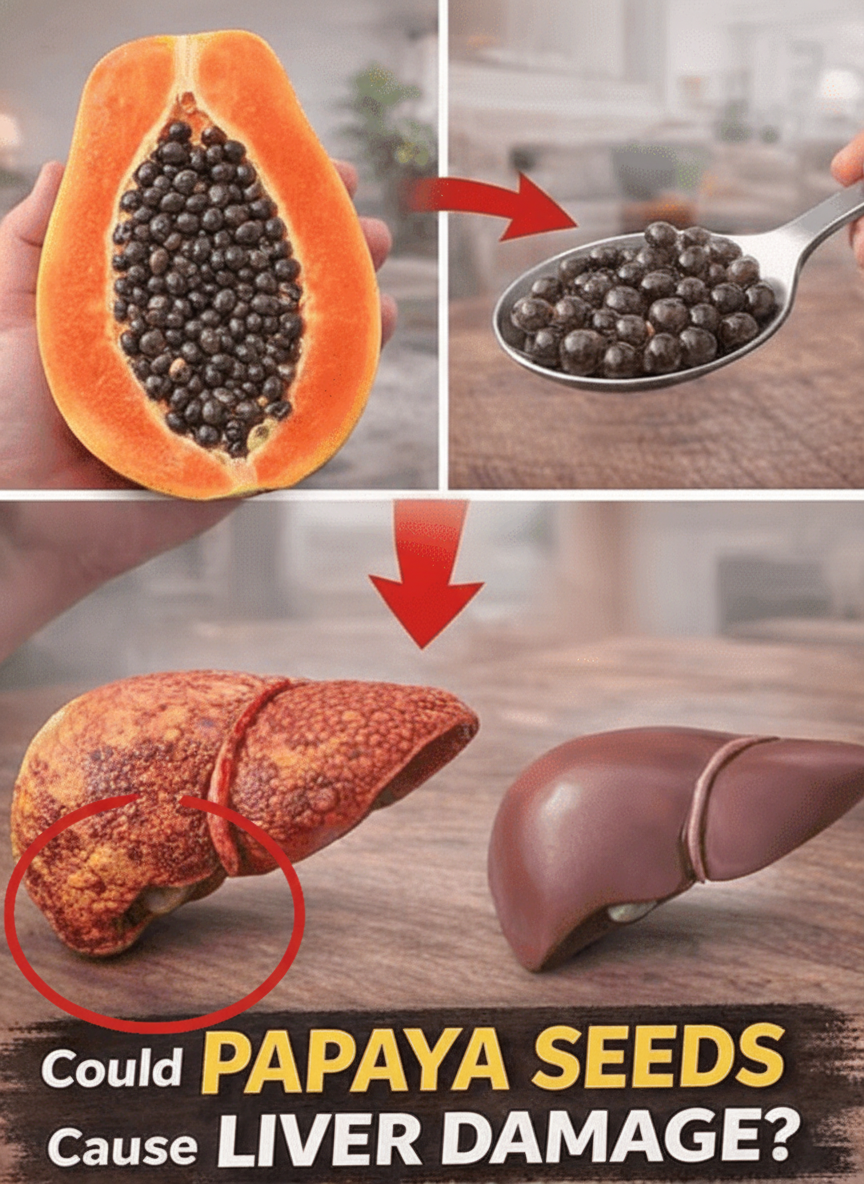
Papaya Fruit vs. Papaya Seeds: A Clear Comparison
Assuming all parts of a healthy fruit are equally beneficial is a common misconception. Nature’s design is more complex. Here’s a quick comparison:
| Feature | Papaya Fruit | Papaya Seeds |
|---|---|---|
| Taste | Sweet and mild | Bitter and peppery |
| Nutritional Value | Rich in vitamins, fiber, antioxidants | Concentrated plant chemicals |
| Typical Consumption | Eaten regularly as food | Usually discarded |
| Scientific Research | Widely studied for nutritional benefits | Limited studies, mixed findings regarding concentrated intake |
| Recommended Habit | Normal food portion | Best consumed rarely or avoided |
The message is simple: enjoy the nutritious fruit, but approach the seeds with caution. Health trends often highlight perceived benefits without fully addressing long-term implications or potential risks.
Who Should Exercise Extra Caution?
Certain individuals may be more sensitive to concentrated plant compounds. This includes older adults, whose liver function can process substances more slowly with age. While the liver remains robust, it becomes more discerning. You might consider avoiding regular papaya seed consumption if you:
- Are over the age of 60.
- Are currently monitoring your liver health with a doctor.
- Take multiple medications daily, which the liver also processes.
- Have a sensitive digestive system.
Remember, even natural foods can interact with medications or pre-existing health conditions. Understanding these nuances empowers you to make informed dietary choices for your well-being.