 By admin
 Osteoporosis: More Than Calcium – The Critical Role of Vitamin C and Collagen for Bone Health
Many individuals grow increasingly concerned about bone fragility as they age, particularly when bone mineral density begins to decline, elevating the risk of fractures. This concern is especially prevalent among women post-menopause, though it can affect anyone. For decades, the predominant advice has centered on increasing calcium intake to maintain strong bones. However, emerging research suggests that optimal bone health encompasses far more than just dietary calcium. It highlights that insufficient levels of crucial nutrients, such as vitamin C, might play a more significant and often underestimated role in preserving bone resilience than previously acknowledged.
What if the ultimate strategy for supporting robust bones isn’t solely about consuming more calcium supplements? Scientific investigations increasingly point to vitamin C as an indispensable factor in bone maintenance, a nutrient frequently overlooked in conventional approaches to bone health. Stay with us as we delve into why vitamin C is so paramount for bone structure and explore practical, natural methods to boost your intake through everyday dietary choices.
Why Bones Weaken Over Time
Bone mineral density naturally diminishes with advancing age, a process attributed to decelerated cellular renewal rates and shifts in hormonal balance. This physiological change results in bones becoming more porous and fragile, rendering them more susceptible to fractures. While calcium typically garners the most attention for its role in bone mineralization, bones are, in fact, dynamic living tissues. They are primarily composed of a flexible protein scaffold known as collagen, which is then reinforced by minerals like calcium, magnesium, and phosphorus.
Collagen provides the vital, pliant matrix that anchors these minerals, imparting both strength and a degree of flexibility to bones, thereby preventing them from snapping under stress. Without proper collagen formation, even an abundance of calcium will not yield truly resilient and robust bones. Numerous studies indicate that nutritional deficiencies impacting collagen synthesis can significantly contribute to a compromised bone structure over time.
The Surprising Link Between Vitamin C and Bone Strength
Vitamin C, scientifically known as ascorbic acid, is absolutely essential because the human body lacks the ability to synthesize it internally. While widely celebrated for its immune-boosting properties, vitamin C also serves as a critical co-factor in the production of collagen. Research consistently demonstrates that vitamin C actively stimulates osteoblasts, the specialized cells responsible for building new bone tissue. Furthermore, it functions as a powerful antioxidant, safeguarding bone cells from the damage induced by daily oxidative stress.
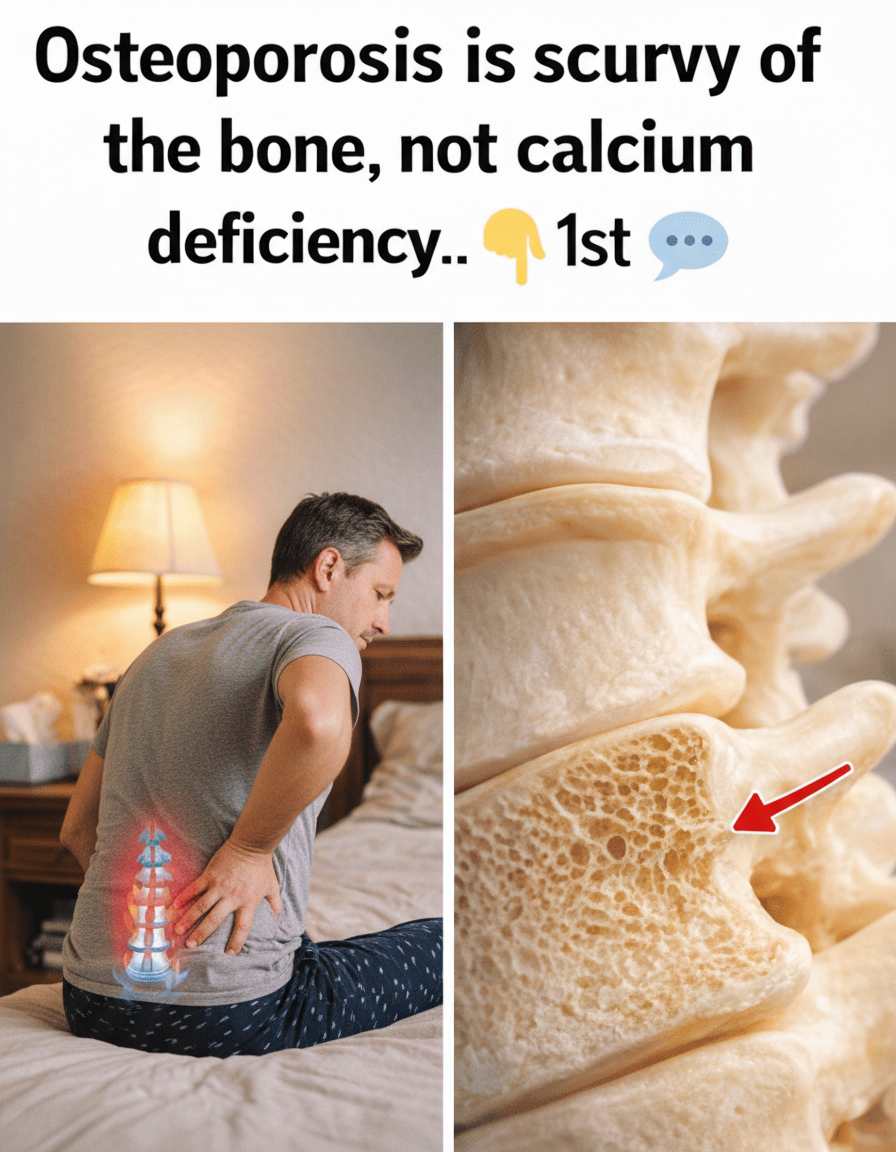
When vitamin C levels are inadequate, collagen production suffers, leading to a less stable and weaker bone matrix. Historically, severe vitamin C deficiency manifests as scurvy, a condition where bones and other connective tissues dramatically weaken, accompanied by severe bone pain and impaired healing. While full-blown scurvy is uncommon today, even milder, chronic shortfalls in vitamin C can subtly yet significantly impact bone health. Epidemiological studies have established a correlation between lower vitamin C intake or blood levels and reduced bone mineral density, as well as an elevated risk of fractures, particularly among older adults. Yet, this represents only one piece of the intricate puzzle; other nutrients also synergistically contribute to comprehensive bone support.
Key Nutrients Beyond Calcium for Bone Health
- Vitamin K: This fat-soluble vitamin plays a crucial role in directing calcium precisely where it’s needed – into the bones – by activating specific proteins that bind calcium within the bone matrix. Rich sources include leafy green vegetables such as kale and spinach, broccoli, various fermented foods, egg yolks, and certain meats. Without sufficient vitamin K, calcium may inadvertently accumulate in undesirable locations, such as arterial walls.
- Vitamin D3: Indispensable for bone health, vitamin D3 significantly enhances the body’s absorption of calcium and other vital minerals from dietary sources. Adequate levels are typically acquired through sun exposure, consumption of fatty fish, fortified foods, and appropriate supplementation. Maintaining balanced vitamin D3 levels is key to preserving bone density by facilitating efficient mineral uptake.
- Magnesium and Phosphorus: These minerals are integral components of bone crystal formation. A diet lacking in any of these essential nutrients can disrupt the delicate balance required for optimal bone health, even if calcium intake appears sufficient.
Concerns with Common Approaches to Bone Support
Many individuals facing diminished bone density often resort to calcium supplements or prescription medications like bisphosphonates. Bisphosphonates function by decelerating the rate of bone breakdown, which can indeed help preserve bone density in the short term. However, their prolonged use has raised questions regarding potential side effects, including impacts on natural bone remodeling processes, rare occurrences of jaw osteonecrosis, or atypical femoral fractures.
Excessive calcium intake from supplements, particularly when not balanced with other essential nutrients, may lead to calcification in soft tissues, such as blood vessels. Some research has noted associations between very high supplemental calcium intake (rather than dietary calcium) and increased risks of cardiovascular concerns or kidney stones. Furthermore, certain diuretics prescribed for blood pressure management can sometimes disrupt mineral balance, reducing magnesium and potassium while potentially retaining calcium, which might indirectly influence bone health. The overarching message is clear: supporting robust bones is most effectively achieved through a holistic perspective encompassing comprehensive nutrition and a healthy lifestyle, rather than relying solely on a single nutrient or pharmaceutical intervention.
Practical Ways to Boost Vitamin C for Bone Support
Here are straightforward, everyday strategies to naturally enhance your vitamin C intake:
- Consume an abundance of fresh fruits and vegetables daily.
- Citrus fruits like oranges, grapefruits, and lemons are excellent sources.
- Include a variety of berries such as strawberries, blueberries, raspberries, and cranberries.
- Incorporate bell peppers (especially red and yellow varieties), broccoli, kiwi, and tomatoes into your meals.
- Consider adding other vitamin C-rich options like cantaloupe, leafy greens, and potatoes (with skin).
- Aim for a diverse and colorful diet to ensure a broad spectrum of nutrients that support overall bone health.