 By admin
 Discovering an unexpected bump or lump in your mouth can be unsettling. Whether you notice it while brushing your teeth or during a meal, it’s natural for immediate worry to set in. These oral changes can sometimes cause discomfort, making simple actions like speaking or swallowing feel awkward. But understanding what these common occurrences might signify can bring peace of mind. This guide will explore the various types of oral bumps, their potential causes, and crucial steps to maintain your oral health.
Common Types of Oral Bumps and Lumps
Oral bumps come in various forms, and recognizing them is the first step towards understanding your oral health:
-
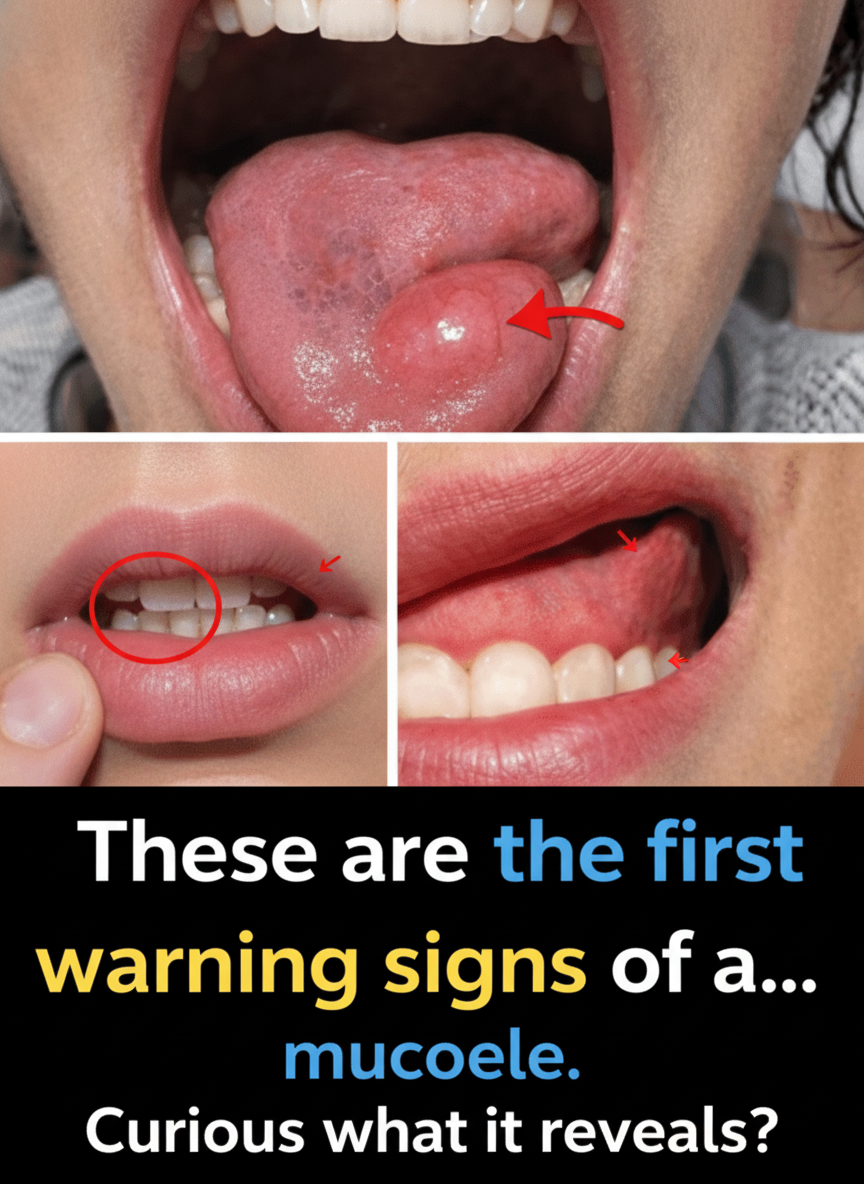
Mucoceles
These are common, harmless cysts that form when a salivary gland duct gets blocked. They typically appear as small, clear or bluish bubbles on the inner lip or under the tongue. Often, they result from minor trauma like lip biting.
-
Ranulas
A specific type of mucocele, ranulas develop on the floor of the mouth. They are usually larger, soft swellings caused by saliva leaking into surrounding tissues due to injury or blockage.
-
Irritated Taste Buds & Minor Infections
Sometimes, bumps can simply be inflamed taste buds or minor localized infections, which generally resolve on their own without intervention.
Potential Causes Behind Oral Bumps
Several factors can contribute to the appearance of bumps in your mouth:
-
Trauma
Accidental bites, vigorous brushing, or burns from hot foods can damage salivary ducts, leading to fluid buildup and cyst formation.
-
Infections
While less common, certain infections, such as those caused by human papillomavirus (HPV), can manifest as wart-like growths.
-
Salivary Stones (Sialoliths)
These small, calcified deposits can block salivary glands, creating firm, often painful nodules, especially noticeable during meals.
-
Dry Mouth (Xerostomia)
Reduced saliva flow due to medications or dehydration can increase irritation and the risk of developing oral bumps.
-
Lifestyle Factors
Poor oral hygiene, smoking, and excessive alcohol consumption can exacerbate irritation and contribute to various oral issues.
When to Be Concerned: Red Flags for Oral Bumps
While most oral bumps are benign, certain characteristics warrant a professional evaluation. Seek advice from a dentist or doctor if you observe any of the following:
- Rapid Growth or Persistent Pain: A bump that quickly enlarges or causes ongoing discomfort.
- Difficulty with Function: New or worsening trouble swallowing, speaking, or moving your jaw.
- Unusual Patches: Red or white patches accompanying the bump that do not heal within two weeks.
- Numbness or Bleeding: Any unexplained numbness or bleeding in the affected area.
Simple Habits for Optimal Oral Health
Adopting these easy routines can significantly contribute to a healthy mouth and help prevent common oral concerns:
- Brush Gently: Use a soft-bristled toothbrush twice daily to clean your teeth and gums without irritation.
- Rinse with Saltwater: After meals, a warm saltwater rinse can soothe minor irritations and maintain a clean oral environment.
- Stay Hydrated: Drink plenty of water throughout the day to support saliva production and flush away irritants.
- Avoid Irritants: Limit or avoid tobacco products and excessive alcohol, as they can dry out the mouth and increase risk factors.
- Regular Dental Check-ups: Schedule professional dental exams every six months to detect and address any changes early.
Monitoring Oral Changes at Home: A Step-by-Step Guide
Regularly checking your mouth can help you stay proactive about your oral health. Follow these steps:
- Weekly Examination: In good lighting, use a mirror to thoroughly inspect your entire mouth for any new or changing spots.
- Gentle Palpation: With clean fingers, gently feel for unusual textures, lumps, or areas of tenderness, but avoid pressing too hard.
- Track Symptoms: If you find something, note its size, color, and any discomfort in a journal. Monitor it for up to two weeks.
- Seek Professional Advice: If a bump persists, grows, changes color, or causes increasing discomfort after two weeks, schedule an appointment with your dentist or doctor.
- Maintain Consistency: Make this routine a regular habit to ensure ongoing awareness of your oral health.