 By admin
 Discovering that you have elevated creatinine levels can be a source of significant concern, particularly as it indicates potential stress on your kidneys. This situation often highlights the critical importance of daily dietary decisions, especially concerning the types of fats you consume. Individuals managing heightened creatinine frequently express apprehension about their dietary choices and their far-reaching effects on kidney function, cardiovascular health, and general vitality. Unwise fat selections can inadvertently exacerbate existing conditions by promoting inflammation or contributing to cholesterol accumulation. Fortunately, adopting a balanced, kidney-friendly eating approach that emphasizes healthier fat sources holds the potential to foster improved kidney health over time. What’s truly fascinating is how certain common fats might be silently assisting your body, while others could be inadvertently complicating matters. Continue reading to identify which fats to integrate into your diet and which ones warrant careful consideration.
Understanding Fats and Their Role in Kidney Health
Fats are indispensable components of our diet, serving vital functions such as supplying energy, facilitating vitamin absorption, and supporting cellular integrity. However, for individuals closely monitoring creatinine levels or dealing with kidney-related issues, the specific types of fats consumed become exceptionally important. Extensive research from reputable organizations like the National Institute of Diabetes and Digestive and Kidney Diseases (NIDDK) and the American Kidney Fund underscores that incorporating beneficial unsaturated fats while significantly reducing saturated and trans fats can alleviate strain on both the heart and kidneys. This is particularly crucial because individuals with compromised kidney function often experience an elevated risk of cardiovascular complications.
It’s also important to recognize that even within the category of “healthy” fats, not all are universally suitable for every kidney condition. Some widely consumed healthy fats may contain additional minerals that require careful moderation. We will now clarify these distinctions.
4 Safe Fats to Consider for Kidney Support
The following selections highlight unsaturated fats, specifically monounsaturated and polyunsaturated types, which are generally more accommodating for kidney health when incorporated judiciously. Research indicates that these fats can assist in regulating cholesterol levels and reducing inflammation, all without introducing an excessive burden of restricted nutrients.
- Olive Oil — A cornerstone of the Mediterranean diet, extra virgin olive oil is celebrated for its abundance of monounsaturated fats and potent antioxidants. Its versatility makes it ideal for salad dressings or gentle cooking methods, and scientific data consistently supports its significant advantages for cardiovascular health, which is intrinsically linked to safeguarding kidney function.
- Canola Oil — Distinguished by its low saturated fat content and as a valuable source of omega-3 fatty acids, this mild-flavored oil is well-suited for various culinary applications, including baking and stir-frying. Due to its well-balanced nutritional composition, canola oil frequently appears in dietary recommendations tailored for kidney-conscious individuals.
- Flaxseed Oil — Richly endowed with plant-derived omega-3 fatty acids, flaxseed oil is best utilized in cold applications such as salad dressings or blended into smoothies, given its low smoke point which makes it unsuitable for high-heat cooking. It contributes considerable anti-inflammatory benefits without undergoing extensive processing.
- Avocado Oil — This oil boasts a high concentration of monounsaturated fats, much like olive oil, but offers the added advantage of a higher smoke point, making it suitable for a wider range of cooking temperatures. While whole avocados are known for their high potassium content (necessitating portion control for some), the refined oil typically contains significantly lower levels of these specific minerals.
Quick Tip to Get Started: Consider substituting butter or margarine in your recipes with one of these healthier alternatives. Begin with small changes, such as using olive oil for sautéing vegetables, and observe how your body responds.
However, the complete dietary landscape involves more than just beneficial fats; certain others can present greater challenges.
4 Risky Fats to Watch and Limit
Specific types of fats, predominantly saturated and trans fats, have the potential to elevate cholesterol, encourage inflammatory responses, and subsequently place indirect stress on the kidneys. Authoritative recommendations from organizations such as the National Kidney Foundation emphasize the importance of restricting these fats to safeguard long-term health.
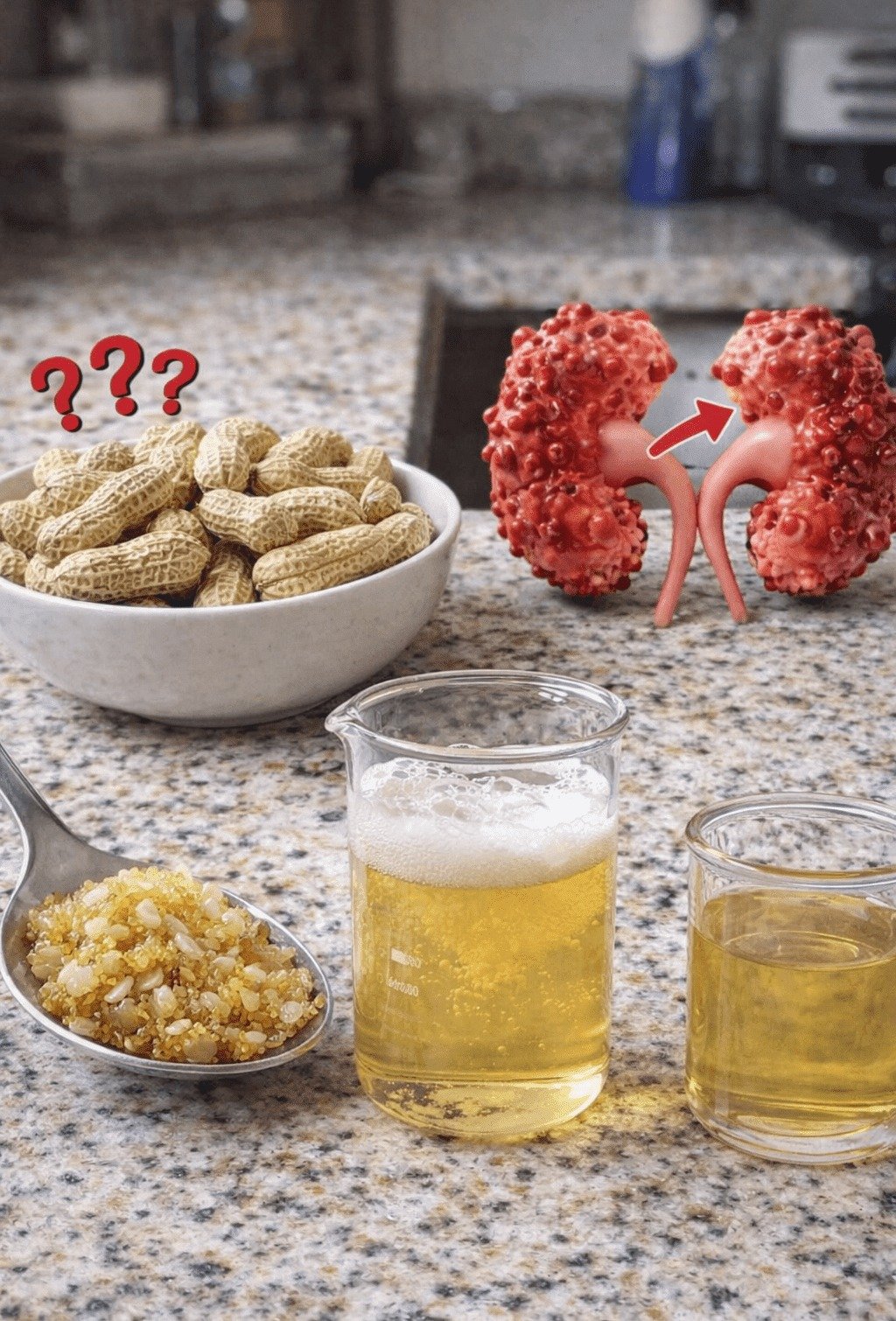
- Butter and Lard — These animal-derived fats are notably high in saturated fats, which can lead to increased cholesterol levels and impose strain on the heart—issues frequently observed in conjunction with elevated creatinine.
- Processed Meats and Fatty Cuts — Items such as bacon, various sausages, and richly marbled red meats are not only sources of saturated fats but also contribute significant amounts of sodium and phosphorus, which can accumulate rapidly and pose risks.
- Full-Fat Dairy Products (e.g., cheese or cream) — These dairy options contain substantial amounts of saturated fats and phosphorus. Excessive consumption can potentially overtax kidneys that are already functioning under duress.
- Trans Fats in Fried or Baked Goods — Commonly present in certain margarines, many fast-food items, and a variety of packaged snacks containing partially hydrogenated oils, trans fats are particularly detrimental to both cardiac and vascular well-being.
Comparison Table: Safe vs. Risky Fats at a Glance
| Category | Safe Options (Focus On) | Risky Options (Limit) | Why It Matters for Kidney Health |
|---|---|---|---|
| Unsaturated Fats | Olive oil, Canola oil | Butter, Lard | These options help maintain cardiovascular health by avoiding the negative impacts of excessive saturated fat. |
| Plant-Based | Flaxseed oil, Avocado oil | Processed meats, Full-fat dairy | These fats can help mitigate inflammation; however, it’s crucial to be mindful of potassium and phosphorus content in whole foods. |
| Everyday Use | Dressings, light cooking | Fried foods, baked goods with trans fats | Prioritizing safer fats in daily preparation helps to minimize cholesterol accumulation and reduce overall bodily strain. |
Actionable Steps to Make Smarter Fat Choices Today
- Conduct a kitchen audit — Begin by replacing butter with olive or canola oil for your cooking needs; ensure you maintain moderate portion sizes, typically 1-2 tablespoons per meal.
- Scrutinize food labels diligently — Actively seek out products that declare “0g trans fat” and exhibit low saturated fat content; it is crucial to avoid any items listing “partially hydrogenated” oils in their ingredients.
- Achieve a balanced plate — Complement these healthier fats with low-sodium vegetables, lean protein sources (consumed in appropriate moderation), and carefully managed portion sizes to foster an overarching kidney-friendly dietary pattern.
- Prioritize hydration and physical activity — Consume ample amounts of water, adhering to your doctor’s specific recommendations, and incorporate regular, gentle physical activity. These practices are synergistic with making improved fat choices.
- Monitor progress and adapt — Pay close attention to how even minor dietary adjustments make you feel over the course of a week; consider consulting with a registered dietitian for bespoke advice and further refinements to your diet.
Ultimately, consistency is paramount—even minor, sustainable modifications can accumulate into significant benefits for your overall bodily health and kidney function.
Wrapping It Up: Empower Your Kidney Health with Informed Choices
Effectively supporting kidney health through dietary management does not necessitate radical or extreme measures. Instead, it revolves around making deliberate and informed selections, such as consciously favoring unsaturated fats found in sources like olive or canola oil, while simultaneously exercising caution with saturated fats present in butter or various processed food items. These judicious habits, consistently endorsed by leading kidney health organizations, form an integral component of a comprehensive strategy aimed at enhancing overall well-being and more effectively regulating creatinine levels.
FAQ
What role do dietary fats play in the management of high creatinine levels? While fats do not directly cause a reduction in creatinine, opting for heart-healthy unsaturated fats instead of saturated varieties can significantly help in mitigating inflammation and lessening cardiovascular strain, both of which are common issues associated with kidney conditions.
Are all plant-based fats considered safe for individuals with kidney health concerns? A considerable number of plant-based fats offer health benefits; however, certain whole foods like avocados or specific types of nuts can contain elevated levels of potassium or phosphorus. It is generally advisable to prioritize their refined oil counterparts or seek professional guidance regarding appropriate portion sizes.
How rapidly can dietary modifications influence kidney markers? Dietary adjustments primarily contribute to the long-term maintenance and support of kidney health. Significant, rapid changes in creatinine levels are typically more indicative of medical interventions, such as resolving dehydration or clearing blockages, rather than diet alone. It is always imperative to collaborate closely with your healthcare provider.
Disclaimer: This content is provided solely for informational purposes and should not be considered a replacement for expert medical advice. It is crucial to always consult with your physician or a qualified registered dietitian prior to implementing any dietary modifications, particularly if you are managing kidney disease or have elevated creatinine levels. Individual dietary requirements are highly specific and depend on your unique medical condition and current laboratory test results.