 By admin
 Optimizing Kidney Health: A Guide to Beneficial and Harmful Dietary Fats
Experiencing elevated creatinine levels can be a source of significant concern, often signaling potential stress on your kidneys and raising broader worries about cardiovascular well-being. Many individuals facing kidney health challenges actively seek dietary strategies to support their overall vitality. While no single food can miraculously restore kidney function, making informed choices about dietary fats can play a crucial role in managing associated risks such as inflammation and cholesterol accumulation – common issues intertwined with kidney conditions.
Leading organizations like the National Kidney Foundation consistently emphasize how unsaturated fats contribute positively to cardiovascular health, an aspect frequently overlapping with comprehensive kidney care. But navigating the world of fats can be complex: which ones genuinely support a kidney-friendly approach, and which might inadvertently add unnecessary burden? This comprehensive guide will delve into four safe, kidney-aligned fats, three types of fats to approach with caution, and practical dietary swaps you can implement today. Read on for actionable insights that could significantly impact your daily routine.
Understanding Rapid Shifts in Creatinine Levels: What They May Indicate
A sudden and significant decrease in creatinine levels – for instance, a drop from an elevated 7.1 mg/dL to approximately 0.9 mg/dL within just a few days – can bring immense relief. Normal creatinine ranges generally fall between 0.6–1.3 mg/dL for men and 0.5–1.2 mg/dL for women, with variations depending on individual factors like muscle mass and age. Such swift fluctuations are often characteristic of acute kidney injury, which typically stems from temporary, reversible issues. Common culprits include urinary blockages caused by kidney stones, an enlarged prostate, or other obstructions.
Once the blockage is cleared – often through medical interventions such as catheterization or specific procedures – the kidneys can efficiently resume their waste-filtering duties, leading to that rapid improvement in lab results. However, it’s critical to remember: any dramatic change in creatinine levels warrants immediate medical attention. These shifts usually point to acute, treatable problems rather than irreversible chronic kidney damage. If you observe any fluctuations in your lab reports, maintaining close communication and collaboration with your healthcare team is absolutely essential for proper diagnosis and management.
4 Beneficial Fats Aligned with Kidney-Friendly Dietary Guidelines
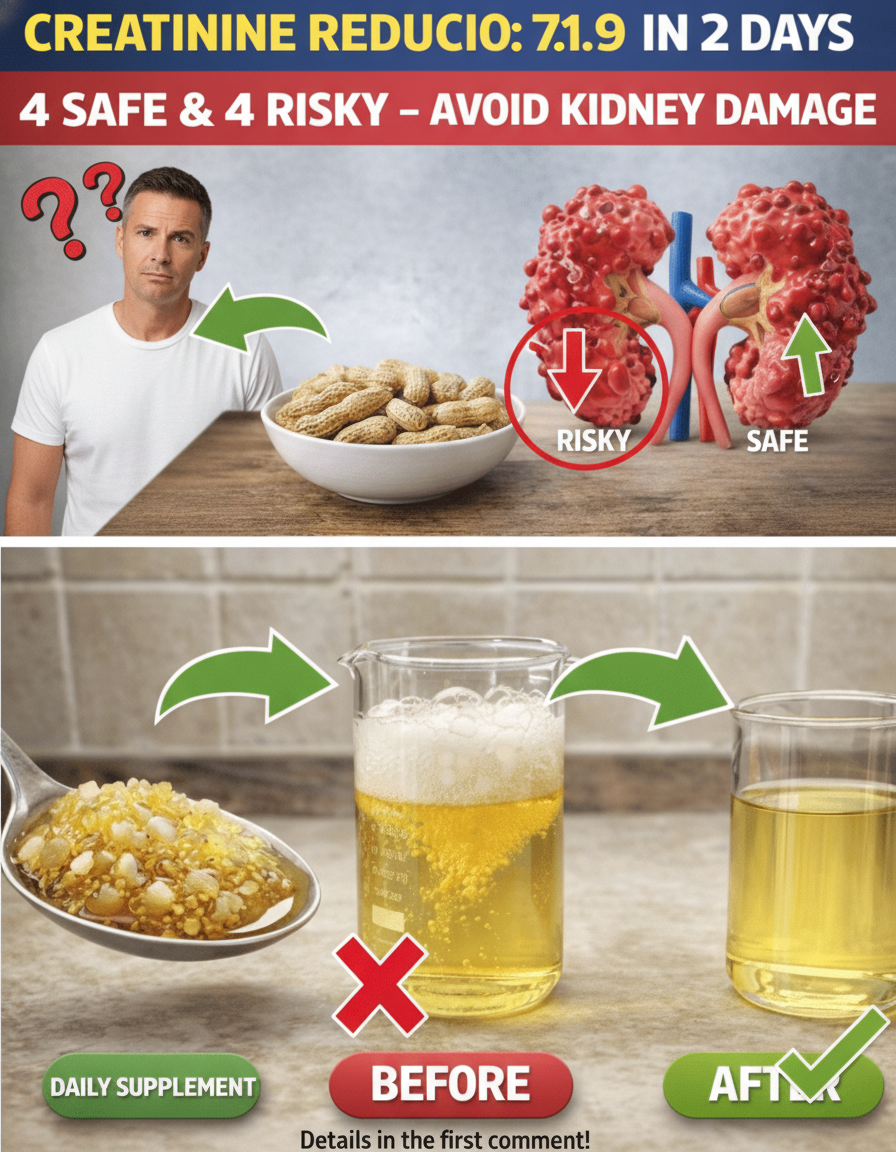
Prioritizing unsaturated fats – both monounsaturated and polyunsaturated varieties – is a cornerstone for supporting heart health without placing undue strain on your renal system. These healthy fat choices are widely recommended by reputable sources, including the National Kidney Foundation, for individuals managing kidney concerns.
- Olive Oil – A Culinary Essential for Flavor and Balance: Extra virgin olive oil is a versatile star, perfect for salad dressings, light sautéing, or simply drizzling over steamed vegetables. Its rich content of monounsaturated fats helps in lowering LDL (often termed “bad”) cholesterol and provides mild anti-inflammatory benefits. Many find it enhances the enjoyment of healthy meals without adding excessive sodium. Utilize it in moderation for everyday cooking or preparing homemade dressings; its smoke point is well-suited for common culinary uses.
- Canola Oil – A Neutral and Adaptable Choice for Everyday Cooking: With its high smoke point and subtly mild flavor, canola oil is an excellent option for roasting, baking, and even frying. It offers a beneficial blend of monounsaturated and polyunsaturated fats, contributing to cardiovascular health in an accessible way. Dietary guidelines frequently acknowledge its suitability across various stages of kidney health, provided portion sizes are kept reasonable.
- Omega-3s from Fatty Fish – Nature’s Potent Anti-Inflammatory Boost: Oily fish like salmon, mackerel, and sardines are powerhouses of vital omega-3 fatty acids. These essential fats are instrumental in reducing systemic inflammation and safeguarding cardiovascular function – a critical benefit, as kidney issues can significantly elevate the risk of heart disease. Aim for 1-2 servings per week, if your phosphorus intake limits allow; grilling or baking offers simple and delicious preparation methods.
- Avocado – A Creamy, Nutrient-Dense Option in Mindful Portions: A thin layer spread on whole-grain toast or slices incorporated into salads provides valuable monounsaturated fats that assist with cholesterol management. While avocados do contain potassium, modest amounts can comfortably fit into many kidney-friendly meal plans. Their satisfying, creamy texture makes them a smart and delicious substitute for less healthy fat sources.
However, the full picture of dietary fats for kidney health isn’t complete without understanding which ones to limit. Some fats can actively contribute to higher cholesterol levels or promote inflammation – let’s explore those next.
Key Fats to Limit or Approach with Caution for Kidney Health
Certain types of fats can, over time, exert a detrimental strain on your heart and blood vessels, which in turn indirectly impacts kidney function. Health guidelines consistently emphasize the importance of reducing your intake of these fats.
- Saturated Fats in Butter, Lard, and Full-Fat Dairy: Foods such as butter, lard, full-fat cheeses, and cream are notable sources of saturated fats. These fats can elevate LDL cholesterol levels and contribute to the buildup of plaque in arteries. Renal health resources strongly advise limiting their consumption to protect cardiovascular health – a paramount concern alongside maintaining optimal kidney function.
- Trans Fats in Processed and Fried Foods: Often found in some margarines, commercially baked goods, and many fast-food items (look for “partially hydrogenated oil” on ingredient labels), trans fats are particularly harmful. They negatively impact cholesterol profiles by raising LDL and lowering beneficial HDL cholesterol, while also promoting systemic inflammation. Health authorities globally recommend avoiding trans fats as much as possible due to their significant health risks.
- Saturated Fats from Red and Processed Meats: Fatty cuts of beef, bacon, sausages, and other processed meats are not only high in saturated fats but often also contain significant amounts of sodium and phosphorus. These components can collectively place additional stress on the kidneys and contribute to cardiovascular problems. Opting for leaner protein sources and limiting processed meat intake is a beneficial strategy for kidney and heart health.