 By admin
 Optimizing Amlodipine Treatment: Key Habits to Avoid for Better Blood Pressure Control
Many individuals rely on amlodipine daily to manage their blood pressure, yet still contend with uncomfortable symptoms like swollen ankles, unexpected bouts of dizziness, or inconsistent blood pressure readings. These frustrating experiences can be disheartening, leaving you to question the effectiveness of your medication. The encouraging news is that common daily habits and lifestyle choices can subtly undermine how well amlodipine works. Often, just a few simple adjustments can lead to significant relief and more stable blood pressure control. You might be surprised by some of the items on this list – one, in particular, is so prevalent that it often goes unnoticed, yet addressing it can profoundly improve your daily well-being. Continue reading to uncover these crucial insights.
Understanding Amlodipine: Why Lifestyle Choices Matter
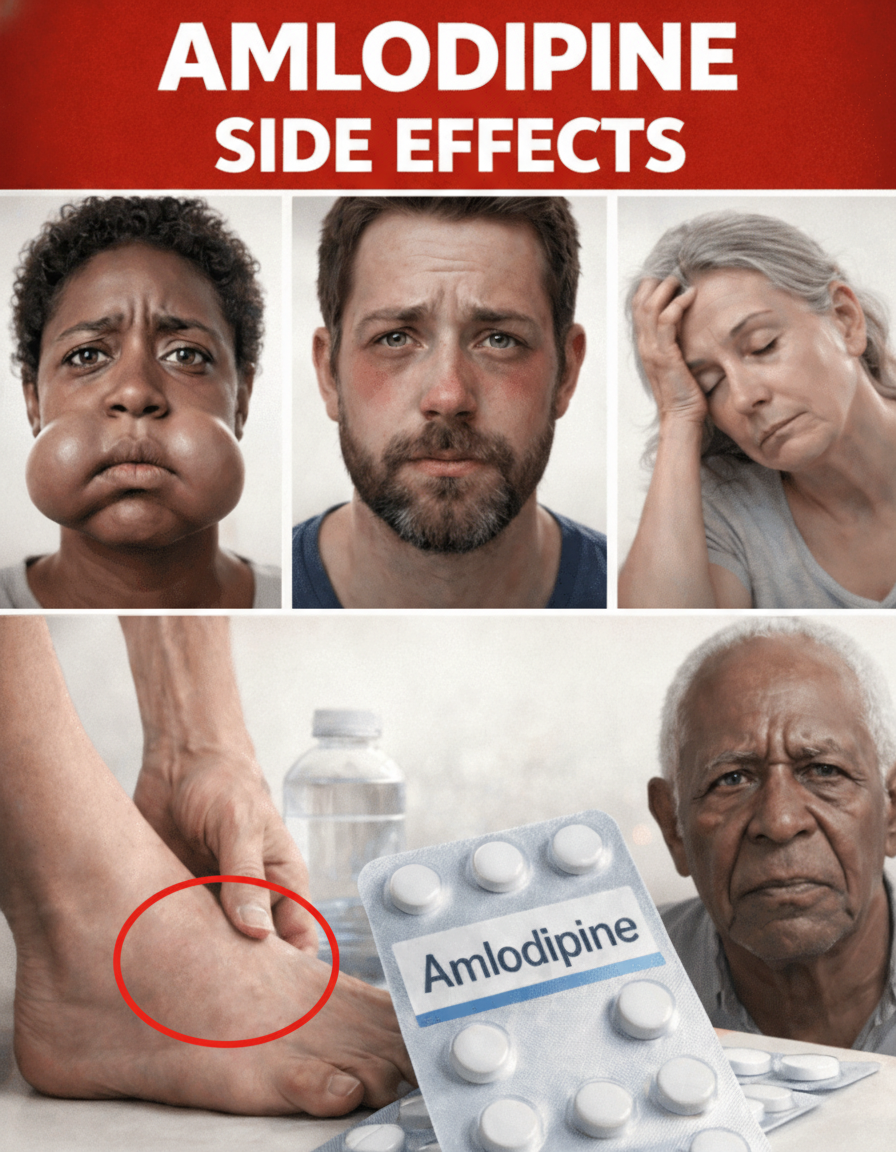
Amlodipine, a widely prescribed calcium channel blocker, functions by relaxing the blood vessels, which in turn eases the heart’s workload and lowers blood pressure. It’s a cornerstone medication for conditions like hypertension (high blood pressure) and angina (chest pain). Leading health organizations, including the NHS and Mayo Clinic, consistently highlight that lifestyle factors play a significant role in both the efficacy of amlodipine and the occurrence of its potential side effects. Common issues patients often report include peripheral edema (ankle swelling), lightheadedness, headaches, and general fatigue. By understanding and proactively avoiding certain triggers, you can often mitigate these discomforts and achieve more consistent and effective blood pressure management.
Let’s explore 12 critical factors you should be mindful of while taking amlodipine.
⚠️ 12. Grapefruit and Grapefruit Juice
Grapefruit contains specific compounds that inhibit the liver enzyme CYP3A4, which is responsible for metabolizing amlodipine. This inhibition can lead to an accumulation of the medication in your bloodstream, potentially escalating side effects such as severe dizziness or dangerously low blood pressure (hypotension). Even a small amount of grapefruit can have an effect that lasts for several days. Both Healthline and the NHS strongly advise against consuming grapefruit products entirely while on amlodipine, especially if you’ve noticed any sensitivity.
⚠️ 11. Excessive Alcohol Consumption
Alcohol itself can cause blood vessels to relax and blood pressure to drop. When combined with amlodipine, this hypotensive effect can become significantly amplified, increasing your risk of dizziness, lightheadedness, and instability. While complete abstinence is not always necessary, moderation is key for most individuals. Drugs.com suggests adhering to recommended sensible drinking limits and consuming alcoholic beverages with food to slow absorption while undergoing amlodipine treatment.
⚠️ 10. High-Caffeine Energy Drinks
Energy drinks are typically loaded with high doses of caffeine and other stimulants that can temporarily elevate heart rate and blood pressure. This directly counteracts the therapeutic effects of amlodipine, which aims to relax blood vessels and lower pressure. If you are already sensitive to caffeine, combining it with amlodipine might intensify feelings of jitters or anxiety. Opting for water, herbal teas, or decaffeinated beverages can help maintain more stable and controlled blood pressure readings.
⚠️ 9. NSAIDs (Non-Steroidal Anti-Inflammatory Drugs)
Common over-the-counter pain relievers such as ibuprofen or naproxen, belonging to the NSAID class, can lead to fluid retention and may slightly diminish the blood pressure-lowering efficacy of amlodipine. Medical News Today has clearly documented this potential interaction. If you require pain relief while on amlodipine, it is crucial to consult your doctor about safer alternatives, such as acetaminophen.
⚠️ 8. Foods High in Sodium
Consuming too much sodium (salt) encourages your body to retain fluid, which directly contributes to higher blood pressure and can worsen common amlodipine side effects like ankle swelling (edema). Hidden sources of high sodium include processed meats, canned soups, fast food, and many salty snacks. Reducing your sodium intake doesn’t mean sacrificing flavor; consider using fresh herbs, various spices, and lemon juice to enhance your meals without excess salt.
⚠️ 7. Real Licorice (Glycyrrhiza)
Natural licorice root contains glycyrrhizin, a compound known to lower potassium levels and disrupt fluid balance within the body, potentially leading to an increase in blood pressure. This ingredient can be found in some herbal teas, certain candies, and dietary supplements. DrugBank advises patients to avoid real licorice while taking amlodipine to prevent undesirable fluctuations in blood pressure and electrolyte levels.
⚠️ 6. St. John’s Wort
This popular herbal supplement is known to induce liver enzymes, which can accelerate the metabolism of amlodipine. This interaction may lead to a reduction in the medication’s concentration in the blood, potentially making amlodipine less effective over time. The NHS specifically issues warnings about this interaction. It is imperative to always inform your doctor about any herbal remedies or supplements you are using, especially when taking prescription medication like amlodipine.
⚠️ 5. Dehydration
Not consuming an adequate amount of water can lead to a higher concentration of amlodipine in your system, potentially exacerbating side effects such as dizziness or headaches. The Mayo Clinic emphasizes that maintaining proper hydration is essential for supporting overall blood pressure stability. Aim to sip water steadily throughout the day, increasing your intake particularly in warm weather or during periods of physical activity.
⚠️ 4. Smoking
Nicotine, a primary component of tobacco smoke, causes blood vessels to constrict and narrow – precisely the opposite effect that amlodipine is designed to achieve. This vasoconstriction makes it significantly harder for amlodipine to effectively control blood pressure. Even reducing the