 By admin
 Optimize Your Thyroid Health: Key Foods to Limit for Reduced Inflammation and Better Function
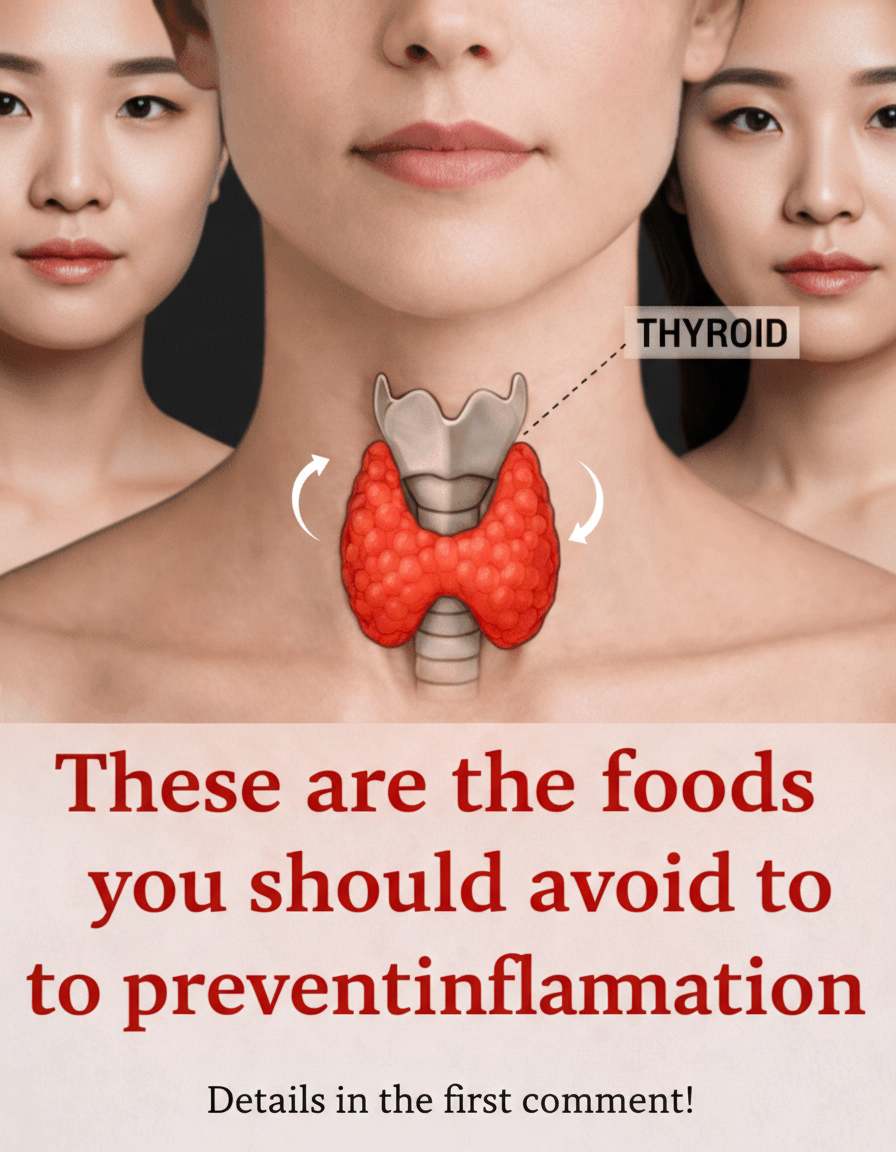
The thyroid gland, a small but mighty organ, profoundly influences your energy levels, metabolic rate, mood, and overall vitality. Yet, many individuals experience frustrating symptoms like persistent fatigue, unexplained weight fluctuations, or a pervasive brain fog that significantly disrupts daily life. These challenges frequently arise from underlying inflammation or factors that subtly impair thyroid function, particularly in conditions such as hypothyroidism or autoimmune thyroid disorders like Hashimoto’s.
While no single food directly causes thyroid problems, certain dietary choices can undeniably contribute to systemic inflammation, interfere with crucial hormone processes, or even hinder the absorption of thyroid medication. The good news is that by consciously limiting these specific foods as part of a well-rounded dietary strategy, you can proactively support your thyroid health naturally. This comprehensive guide will illuminate the top foods to consider moderating and offer practical, enjoyable swaps to keep your meals both delicious and thyroid-supportive.
🥦 Goitrogenic Vegetables: Proceed with Caution for Thyroid Wellness
If consuming raw cruciferous vegetables sometimes leaves you feeling bloated or concerned about their impact on your thyroid, you might consider moderating your intake of goitrogenic vegetables. Foods like broccoli, cabbage, cauliflower, Brussels sprouts, kale, and radishes naturally contain compounds called goitrogens. These substances can potentially influence the uptake of iodine, a vital mineral indispensable for the synthesis of thyroid hormones.
Research indicates that consuming these vegetables in very large, raw quantities may pose a greater concern, especially if your dietary iodine intake is already low. However, for robust thyroid health, there’s excellent news: cooking methods such as steaming, boiling, or sautéing significantly reduce their goitrogenic activity. To enjoy their myriad nutritional benefits without compromise, incorporate these nutrient-dense vegetables into your diet cooked and in sensible portions. For instance, try lightly steaming broccoli or gently sautéing kale with a drizzle of olive oil for a delicious and thyroid-friendly side dish.
🫘 Soy Products: A Common Consideration for Thyroid Management
Many individuals express apprehension about soy when focusing on thyroid health, particularly if they are taking thyroid medication. Common soy foods like tofu, soy milk, edamame, and soy sauce contain isoflavones. These compounds may potentially impact iodine absorption or interact with thyroid hormone replacement therapy if consumed in substantial amounts, especially when taken close to medication dosing times.
However, comprehensive reviews of existing evidence suggest that soy generally has a minimal impact on thyroid function for most people with adequate iodine levels. To ensure optimal absorption of your thyroid medication and support consistent thyroid health, it’s advisable to space out your soy intake from your medication dosage. If you choose to include soy in your diet, opt for fermented varieties like tempeh or miso in smaller portions. A simple yet effective tip: consider enjoying soy alternatives such as almond milk or carefully limiting your portion sizes to maintain consistent thyroid health.
🌾 Gluten-Containing Foods: Particularly Relevant for Some Thyroid Conditions
For individuals grappling with persistent inflammation or digestive discomfort, managing thyroid health can feel even more challenging, especially in the context of autoimmune thyroid conditions. Gluten, a protein found in wheat, barley, rye, and numerous processed items, has the potential to contribute to inflammation in sensitive individuals or those with diagnosed gluten-related disorders. Some studies suggest that reducing gluten intake might positively influence thyroid antibody levels or overall thyroid function in specific cases of autoimmune thyroid concerns, though individual responses can vary.
If you suspect gluten sensitivity, consider experimenting with naturally gluten-free grains like quinoa or rice. This approach can help alleviate symptoms while simultaneously supporting your thyroid health. Prioritize whole-food alternatives to keep your meals satisfying, diverse, and inherently thyroid-friendly.
🍰 Refined Sugars and Processed Carbs: Essential to Limit for Thyroid Support
The rapid blood sugar spikes triggered by refined sugars frequently lead to subsequent energy crashes and place additional stress on the body, a sensation often amplified when navigating thyroid health challenges. Foods abundant in added sugars and highly refined carbohydrates—such as white bread, pastries, cookies, sweetened breakfast cereals, and sugary beverages—are known to promote systemic inflammation. This inflammation can indirectly impair thyroid function and metabolic efficiency.
Nutritional research consistently links excessive consumption of refined sugars to elevated inflammatory markers, underscoring the critical importance of moderation for optimal thyroid health. To stabilize energy levels and provide better, sustained support for your thyroid throughout the day, swap these inflammatory culprits for complex carbohydrates like sweet potatoes, whole grains, or fresh berries.
🛢️ Refined Vegetable Oils and Unhealthy Fats: Their Impact on Thyroid Wellness
Chronic low-grade inflammation stemming from an imbalance of dietary fats can significantly add to the burden of maintaining robust thyroid health. Refined vegetable oils, which are typically high in omega-6 fatty acids—including corn, soybean, and sunflower oils—may contribute to systemic inflammation when consumed in excess without a corresponding balance of omega-3 fatty acids. To counteract this and foster better thyroid health, prioritize healthier fats from sources such as extra virgin olive oil, avocados, nutrient-rich nuts, and fatty fish abundant in omega-3s. Make it a habit to use extra virgin olive oil for cooking and dressings to support a healthy inflammatory balance.