 By admin
 Onions for Eye Health: Unveiling the Science Behind Natural Vision Support
Millions worldwide grapple daily with tired, strained eyes—a common consequence of extended screen time, the natural aging process, or general daily wear and tear. This discomfort can turn everyday activities like reading, driving, or simply enjoying family time into frustrating and exhausting experiences. While no single food offers an instant cure for vision problems, many are exploring simple, kitchen-based methods to naturally bolster eye wellness. This is where onions come into focus—a humble vegetable brimming with compounds that have sparked significant interest in eye health discussions.
But here’s the intriguing part: beyond just culinary use, some traditional beliefs suggest unique applications of onions for eye support. Stay with us, because by the end of this article, we’ll delve into practical, safe strategies for incorporating onions into your routine, alongside what experts and scientific studies truly recommend about their role in eye care.
The Nutritional Powerhouse: Why Onions Deserve a Spot in Your Eye Health Diet
Onions (Allium cepa) are far more than just a flavor enhancer for your meals. They are a rich source of powerful antioxidants, notably quercetin. This flavonoid is renowned for its capacity to combat oxidative stress, a process that can contribute to eye strain and age-related ocular changes over time. Research consistently highlights quercetin’s potential benefits:
- It may help shield delicate eye cells from harmful free radical damage.
- Some studies indicate anti-inflammatory effects that could foster overall eye and body wellness.
For instance, onions stand out as one of the most concentrated dietary sources of quercetin. Regular consumption could offer broad protective effects for the eyes, much like other antioxidant-rich foods such as vibrant berries or nutrient-dense kale. However, the conversation shifts when considering direct application, like onion juice. This area demands a more nuanced—and cautious—approach.
Unpacking the “Onion Juice for Eyes” Myth: Separating Science from Speculation
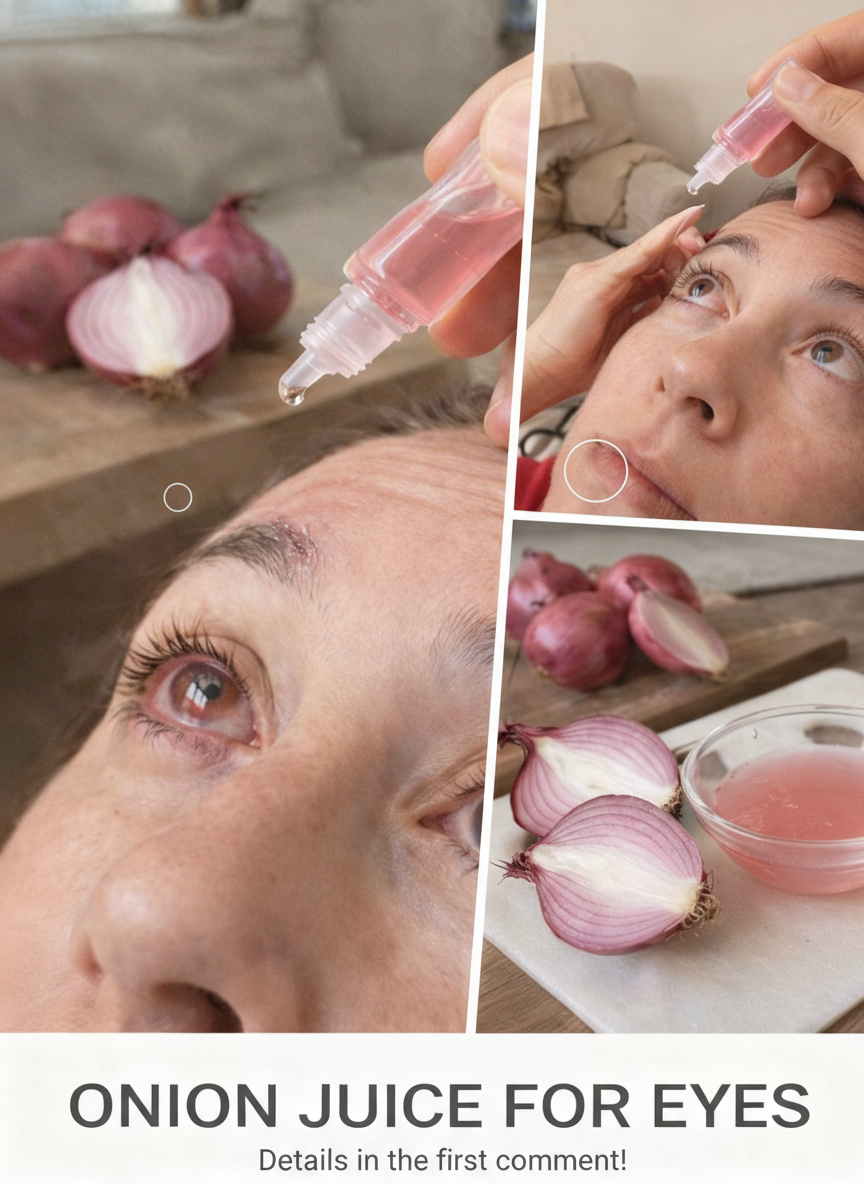
You’ve likely encountered various online claims promoting the direct use of onion juice near or even in the eyes for rapid vision enhancement. These suggestions often originate from traditional remedies or preliminary animal studies investigating potential effects. While some laboratory and animal research has explored onion juice:
- In rat models, topical application of onion juice demonstrated effects on corneal structure in aging eyes, potentially linked to improved tear production or reduced intraocular pressure in certain instances.
- Other animal studies hinted at preventive effects against specific induced changes in eye lenses.
- Components within onions, including quercetin, have been investigated for their antioxidant support within ocular tissues.
It’s crucial to understand that these findings are predominantly preliminary animal results. Concrete human evidence supporting direct eye application remains severely limited. Consequently, a vast majority of eye care professionals strongly advise against introducing onion juice directly into the eyes. The potent sulfur compounds responsible for onions’ pungent aroma can cause significant irritation, burning sensations, redness, or even more severe damage if mishandled.
Key takeaway: While onions provide promising nutrients when consumed as part of a balanced diet, direct eye contact with their juice is not recommended without explicit professional medical guidance. Always prioritize your safety and eye health.
Nevertheless, this doesn’t diminish the supportive role onions can play in your overall eye care regimen. Let’s concentrate on evidence-based, safe methods to reap their benefits.
Harnessing Onion Benefits Safely: Dietary Strategies for Eye Wellness
Here are practical and risk-free ways to integrate onions’ beneficial nutrients into your diet:
- Enjoy them raw or lightly cooked: Red onions, in particular, boast higher concentrations of quercetin. Incorporate thin slices into your daily salads, sandwiches, or homemade salsas.
- Incorporate into everyday meals: Sauté onions as a base for soups, stir-fries, or omelets. Light cooking helps retain their valuable antioxidants.
- Explore onion-rich recipes: Prepare a comforting onion soup or blend them into dressings and marinades for effortless nutrient intake.
- Combine with other eye-friendly foods: Pair onions with vibrant carrots, dark leafy greens like spinach, or citrus fruits for a powerful synergy of eye-supporting nutrients.
Studies suggest that consistent dietary intake of quercetin from sources like onions may accumulate in the body, potentially supporting tear quality and mitigating oxidative stress over time.
Holistic Eye Care: Beyond the Onion Patch
Beyond the specific benefits of onions, adopting holistic everyday habits significantly contributes to long-term eye health:
- Implement the 20-20-20 rule: Every 20 minutes, shift your gaze to an object 20 feet away for at least 20 seconds. This simple practice helps alleviate digital eye strain.
- Stay adequately hydrated: Sufficient water intake is vital for maintaining optimal tear production and overall eye comfort.
- Eat a diverse range of produce: A “rainbow” diet rich in various fruits and vegetables (including onions) ensures a broad spectrum of antioxidants to combat daily stress on your eyes.
- Schedule regular eye check-ups: Professional eye examinations are crucial for early detection and management of potential vision issues.
Interesting note: The tearing effect experienced when chopping onions mimics natural tear stimulation. Some small experiments have linked this temporary moisture relief to the fumes, not direct juice application, further underscoring the distinction between safe exposure and risky application.
Quick Comparison: Onions vs. Other Eye-Supporting Foods
- Onions: Abundant in quercetin; excellent source of dietary antioxidants; easily integrated into daily meals.
- Carrots: Rich in beta-carotene, a precursor to Vitamin A, essential for retinal health and low-light vision.
- Leafy Greens (e.g., spinach, kale): Packed with lutein and zeaxanthin, powerful antioxidants that filter harmful blue light and protect the macula.
- Citrus Fruits (e.g., oranges, grapefruit): High in Vitamin C, crucial for healthy blood vessels in the eyes and reducing the risk of cataracts.
By understanding the science and embracing safe, dietary approaches, you can effectively leverage the potential of onions as part of a comprehensive strategy for natural eye support. Always prioritize safety and consult with an eye care professional for any specific concerns or conditions.