 By admin
 Onion for Eyes: Separating Vision Myth from Medical Fact
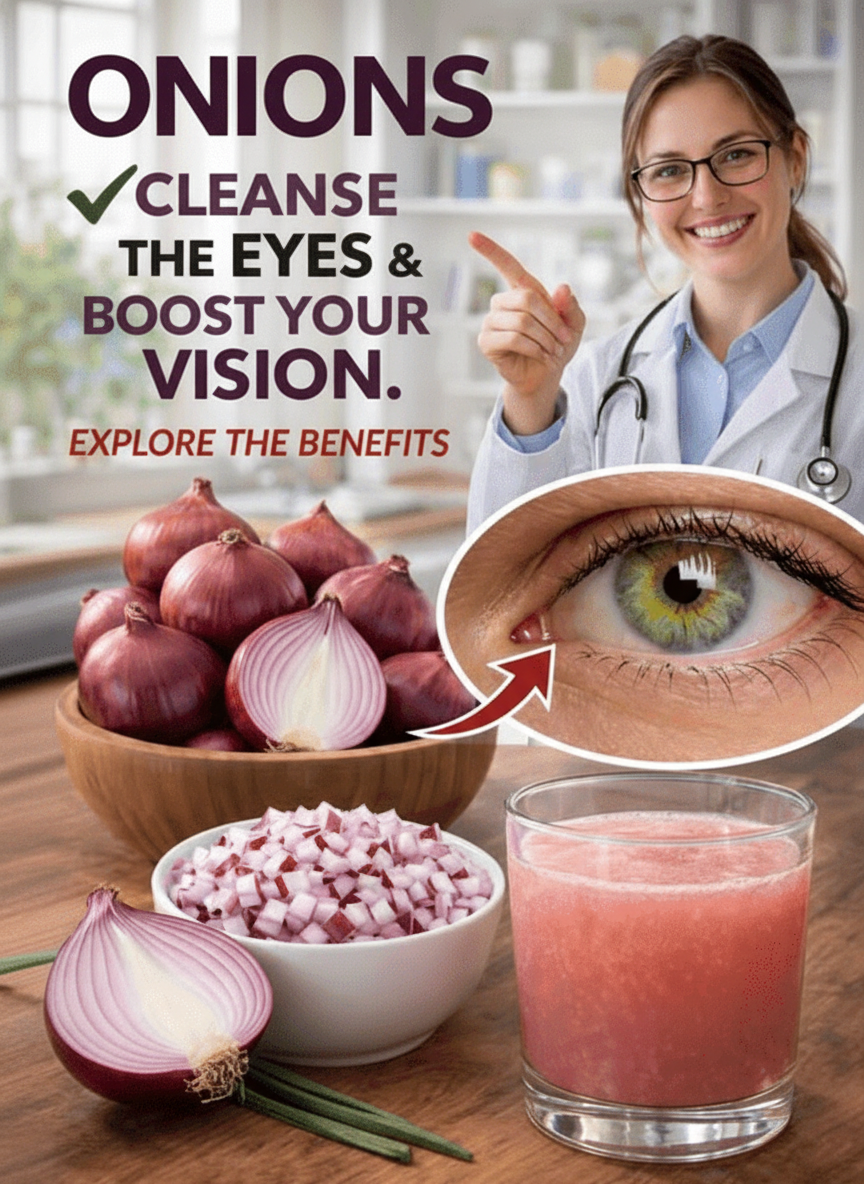
The internet is awash with viral claims suggesting that onion remedies – be it juice, slices, or infused water – can dramatically improve eyesight in as little as five days. Promises range from clearer vision and reduced cataracts to simply stronger eyes, often citing traditional remedies and the presence of sulfur and quercetin in onions. Some posts even advocate for direct application as drops, eye rinses, or consuming onion-infused water. But do these claims hold up under scientific scrutiny?
The Truth About Onions and Your Eyesight
While onions are undoubtedly a nutritious addition to any diet, packed with antioxidants and beneficial compounds, the idea of them rapidly enhancing vision or curing eye conditions is a widespread myth. There is no scientific evidence to support claims of a 5-day vision transformation or the ability of onions to reverse refractive errors like myopia (nearsightedness) or hyperopia (farsightedness), cataracts, or glaucoma. These serious eye conditions require professional medical care, not home remedies.
What Research Actually Shows (and Doesn’t)
- Nutritional Benefits: Onions contain compounds like quercetin and sulfur, which offer general antioxidant benefits. When consumed as part of a balanced diet, they contribute indirectly to overall health, including eye health, through precursors to vitamins like Vitamin C. However, this is observational; there’s no direct evidence of them ‘enhancing’ vision.
- Topical/Juice Claims: Some small-scale animal or lab studies have explored onion extracts for corneal soothing, but these are far from proving that onion juice drops can improve human sight or reverse conditions like cataracts. A single rat study on aging corneas did not demonstrate cataract reversal.
- Significant Risks: Applying onion juice or slices directly to the eyes is highly irritating and can cause severe burning, redness, and even damage. Medical experts, including the American Academy of Ophthalmology (AAO) and practicing ophthalmologists, strongly advise against using onion directly on the eyes. Such remedies are dangerous and cannot replace professional eye examinations and prescribed treatments or corrective lenses.
Safe and Proven Ways to Support Eye Health
Instead of risky home remedies, focus on scientifically backed methods to maintain and improve your eye health:
- Eat Onions (The Right Way): Enjoy onions raw or cooked as part of your regular meals to benefit from their nutrients and antioxidants.
- Embrace Nutrient-Rich Foods: Incorporate lutein-rich leafy greens (like spinach and kale), omega-3 fatty acid-rich fish, and Vitamin C-packed fruits into your diet.
- Practice Digital Eye Strain Prevention: Follow the 20-20-20 rule: every 20 minutes, look at something 20 feet away for at least 20 seconds to reduce screen-related eye strain.
- Seek Professional Care: For any vision problems or eye conditions, consult an ophthalmologist. They can provide accurate diagnoses, effective treatments, and appropriate corrective measures.
Conclusion: Nutrition Yes, Direct Remedies No
While onions contribute mild antioxidants for overall wellness and are a delicious part of a healthy diet, the notion of them improving vision in 5 days is a dangerous myth. Applying onion directly to your eyes is not only ineffective but also carries significant risks of irritation and damage. Prioritize a healthy diet, good eye habits, and most importantly, professional medical care for any concerns about your eyesight.
Disclaimer: This article is for informational purposes only and does not constitute medical advice. There is no scientific evidence to support the claims of onion remedies improving vision. Always consult a qualified ophthalmologist for any eye-related concerns. Individual results may vary.