 By admin
 For centuries, simple kitchen ingredients have been cherished for their wellness potential. Among them, the humble onion stands out. Often seen merely as a culinary staple, onions—and especially their outer skins—are rich in powerful plant compounds that may offer significant health benefits, particularly for prostate and bladder wellness.
While not a medical treatment, emerging research suggests onions contain antioxidant and anti-inflammatory nutrients that can support urinary health as part of a balanced lifestyle. This article explores the potential of onions and their often-discarded skins, and how to incorporate them into your daily routine.
Why Prostate and Bladder Health Matters
The prostate and bladder are vital components of the male urinary system. With age, these organs can become vulnerable to inflammation, hormonal shifts, and oxidative stress. Common concerns include:
- Frequent or weak urination
- Nighttime bathroom trips
- Bladder irritation
- Benign prostatic hyperplasia (BPH)
A diet rich in antioxidants and beneficial plant compounds, like those found in onions, can help bolster the body’s natural defenses against inflammation and support healthy urinary function.
The Hidden Nutritional Power of Onions
Part of the Allium family (which includes garlic and leeks), onions are packed with unique sulfur compounds and flavonoids. These bioactive ingredients are recognized for their antioxidant and anti-inflammatory properties, contributing to their potential health effects. Key compounds include:
- Quercetin: A potent flavonoid antioxidant.
- Sulfur compounds: Known for their anti-inflammatory action.
- Phenolic compounds: Help neutralize harmful free radicals.
- Vitamin C and dietary fiber.
Some studies also link regular consumption of Allium vegetables to a potentially lower risk of certain cancers, including prostate cancer, though more research is ongoing.
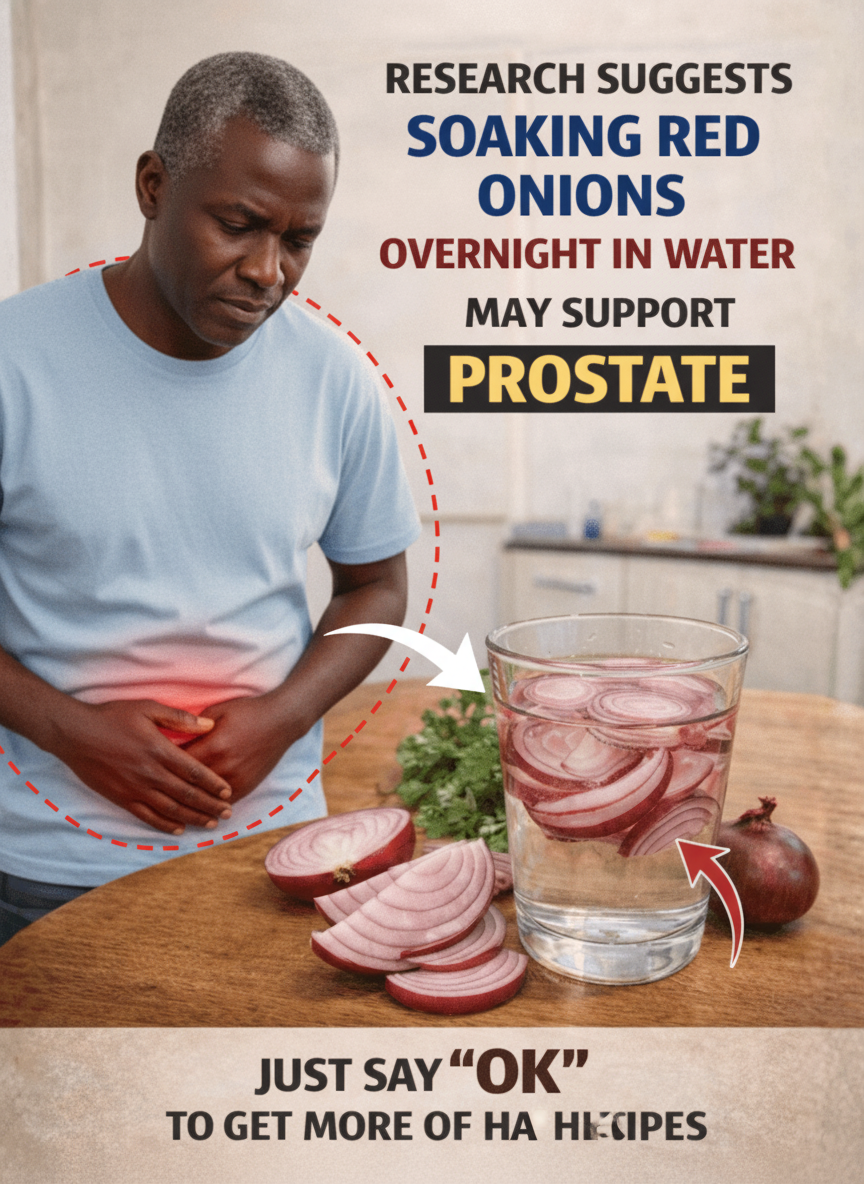
Onion Skins: A Concentrated Nutrient Source
Most people discard onion skins, unaware that these outer layers contain some of the highest concentrations of beneficial compounds. Nutrition experts highlight that onion skins are exceptionally rich in flavonoids like quercetin and anthocyanins, which are crucial for combating oxidative stress. They also contain:
- More fiber than the inner onion layers.
- Higher levels of antioxidants.
- Small amounts of vitamins A, C, and E.
- Minerals such as calcium and zinc.
Given that oxidative stress is a major contributor to inflammation and aging, the high antioxidant content in onion skins may significantly support the body’s protective systems.
Potential Benefits for Prostate Health
While onions are not a cure for prostate conditions, their robust nutritional profile suggests they can play a supportive role in prostate wellness:
- Anti-Inflammatory Effects: Quercetin and other flavonoids in onions have shown promise in reducing inflammatory responses, which can help maintain healthier prostate tissue function.
- Antioxidant Protection: By neutralizing free radicals, onion antioxidants help reduce oxidative stress. Lab studies on onion peel extracts confirm their strong antioxidant and anti-inflammatory properties, underscoring their potential as a source of beneficial compounds for cellular health, especially in aging men.
- Support for Urinary Function: Diets rich in vegetables like onions and garlic have been associated with improved prostate health and may help mitigate symptoms of prostate enlargement in some populations. These findings suggest that nutrient-dense foods contribute to long-term urinary wellness.
Simple Ways to Utilize Onion Skins
Incorporating onion skins into your wellness routine is easy and gentle:
- Onion Skin Tea: A traditional method involves simmering onion skins to create a mild herbal infusion. Simply rinse the outer skins from 1-2 onions, add them to a pot with about 2 cups of water, bring to a boil, then simmer for 10-15 minutes. Strain and enjoy.
- Add to Broths and Soups: Place clean onion skins directly into your stockpot when making bone broth, vegetable broth, or soups. Remove before serving. This infuses your dishes with their beneficial compounds and adds subtle flavor without altering texture.