 By admin
dogpjs.com Skip to content Thursday, January 29 2026
Facebook Twitter Pinterest Home Herbal Medicine Home Tips Garden Tips Healthy Life Search Search for: Account Thursday, January 29 2026 Search Search for: Menu Home » Healthy Life » The Under-the-Radar Plant Compound Doctors Rarely Discuss That’s Gaining Attention in Lab Research on Cancer Cells – Olive Leaf Extract
Olive Leaf Extract: The Understated Plant Compound Gaining Traction in Cancer Research
Olive leaf extract (OLE), derived from the leaves of the Olea europaea tree, represents a natural compound that has largely flown under the radar in mainstream oncology discussions. Despite its relative obscurity among general medical practitioners, OLE has been steadily accumulating compelling preclinical evidence from laboratory and animal studies for over two decades, hinting at significant therapeutic potential.
While the health benefits of olives and olive oil are widely recognized, particularly their role in heart-healthy Mediterranean diets due to oleic acid and various polyphenols, the leaves of the olive tree harbor a far greater concentration of specific bioactive molecules. These include oleuropein, hydroxytyrosol, and other secoiridoids, which have demonstrated intriguing effects against various cancer cell lines in controlled test-tube and animal models. This article explores the current state of research (as of early 2025), highlights what remains unconfirmed in human trials, and explains why this compound is quietly capturing the interest of academic cancer researchers worldwide.
Key Bioactive Compounds in Olive Leaf Extract
The remarkable properties of olive leaf extract are attributed to its rich profile of phenolic compounds. These molecules are found at concentrations 10 to 50 times higher in olive leaves compared to olive oil. Key active constituents include:
- Oleuropein: This is the most abundant secoiridoid and a crucial precursor to hydroxytyrosol, playing a central role in OLE’s purported health benefits.
- Hydroxytyrosol: Recognized as one of nature’s most potent antioxidants, it boasts an ORAC (Oxygen Radical Absorbance Capacity) value that often surpasses many common fruits and vegetables.
- Verbascoside, Tyrosol, and other Phenolics: A diverse group of compounds that collectively contribute to the extract’s broad spectrum of biological activities.
What Laboratory & Animal Studies Reveal (Most Replicated Findings)
Extensive preclinical research has identified several consistent findings regarding OLE’s effects on cancer cells:
Selective Cytotoxicity (Targeting Cancer Cells While Sparing Healthy Ones)
Multiple independent research groups across Italy, Greece, Spain, Iran, and China (from 2015 to 2024) have consistently shown that OLE and purified oleuropein can induce apoptosis, or programmed cell death, in various cancer cell lines. This effect has been observed in breast, prostate, colon, pancreatic, leukemia, lung, and liver cancers, often at concentrations that leave normal, healthy cells largely unharmed. This selective action is a highly desirable characteristic for potential therapeutic agents.
Multiple Anti-Cancer Mechanisms of Action
Olive leaf extract appears to exert its anticancer effects through a variety of molecular pathways:
- Modulating Apoptotic Proteins: It downregulates anti-apoptotic proteins (such as Bcl-2 and survivin) while simultaneously upregulating pro-apoptotic proteins (like Bax and caspase-3/8/9), thereby promoting cell death.
- Inhibiting Proliferation Pathways: OLE interferes with critical pathways responsible for cancer cell growth and survival, including PI3K/Akt/mTOR, Wnt/β-catenin, and NF-κB.
- Blocking Metastasis: It demonstrates the ability to impede cancer cell migration, invasion, and angiogenesis (the formation of new blood vessels that feed tumors).
- Inducing Cell-Cycle Arrest: OLE can halt the cell cycle at specific phases (G0/G1 or G2/M), preventing uncontrolled cell division.
Synergy with Conventional Treatments
Intriguingly, research indicates that OLE may enhance the efficacy of established chemotherapy drugs like doxorubicin, cisplatin, 5-FU, and tamoxifen in cell lines. This synergistic effect could potentially allow for lower chemotherapy doses in some models, which might, in turn, reduce treatment-related side effects. Furthermore, animal studies suggest that OLE can mitigate chemotherapy-induced toxicity, such as cardiotoxicity and nephrotoxicity.
In Vivo (Animal) Tumor Reduction
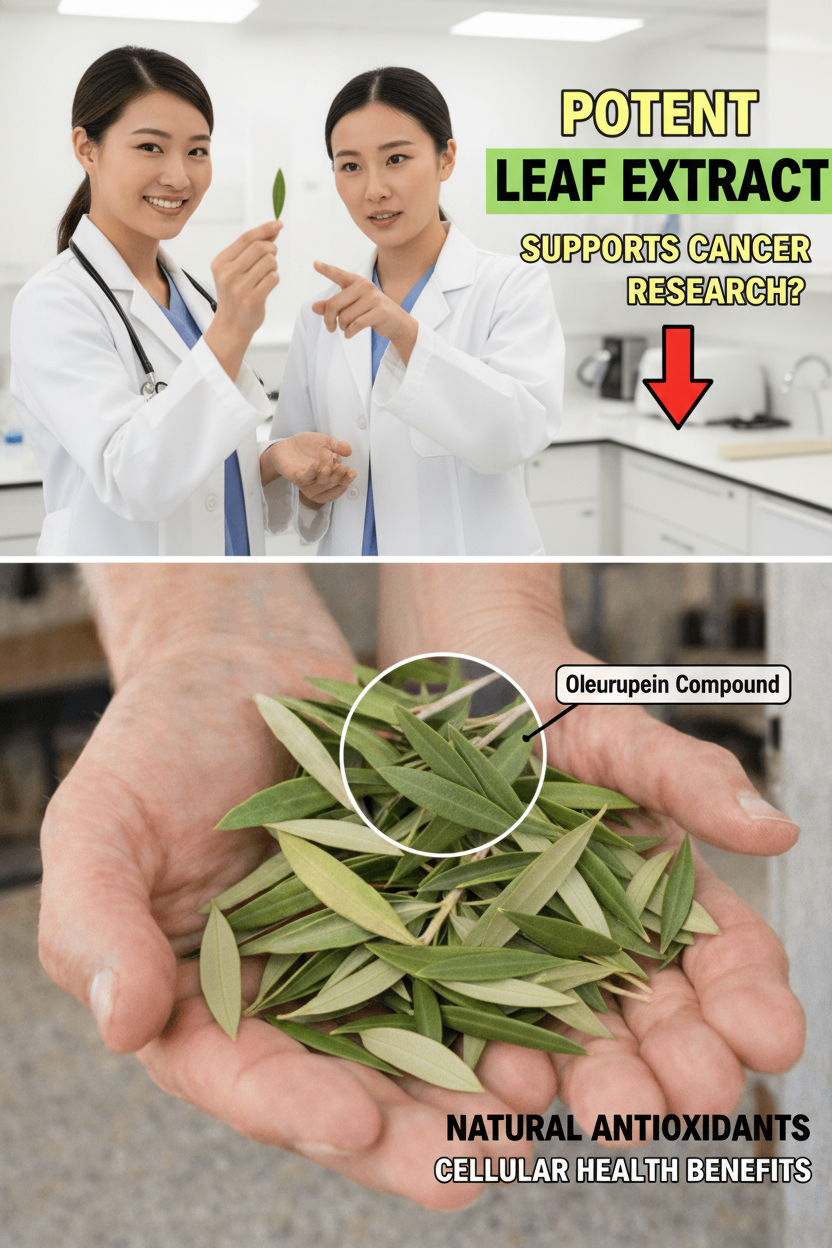
When administered orally, OLE or isolated oleuropein has significantly slowed tumor growth in xenograft models of breast, prostate, colon, and pancreatic cancer. Some studies have also reported a reduction in the spread of cancer (metastasis).
Current Human Evidence (Still Very Limited)
Despite the encouraging preclinical data, it is crucial to emphasize the current limitations in human research:
- Lack of Large-Scale Trials: There are currently no large, randomized, controlled Phase II/III clinical trials specifically investigating OLE for cancer treatment or prevention in humans.
- Pilot Studies and Case Series: Small-scale pilot studies and case series (mostly conducted between 2018 and 2024) in complementary oncology settings have reported some positive observations. These include improved quality of life, reduced fatigue, and stable disease in certain patients who used OLE alongside conventional therapy. However, these findings are not conclusive and warrant further rigorous investigation.
- Observational Links: A few observational studies have suggested a correlation between higher dietary intake of olive leaf/polyphenols (through diet or supplements) and a lower risk of certain cancers. Nevertheless, these studies do not establish a direct cause-and-effect relationship.
The current expert consensus from leading institutions like Memorial Sloan Kettering Cancer Center, MD Anderson, and Cancer Research UK (as of 2025) states: “Promising preclinical (lab/animal) activity; insufficient human evidence; more research needed.”
On a positive note, OLE is generally considered to have low toxicity and is safe for most individuals at moderate doses. This often leads to its consideration as a reasonable complementary support during conventional cancer care, provided there are no known interactions with ongoing treatments.
Safe & Traditional Ways to Utilize Olive Leaf Extract
For those interested in incorporating olive leaf extract, several traditional and standardized methods are available:
Most Common Daily Method: Olive Leaf Tea
- Preparation: Steep 1–2 teaspoons of dried olive leaves (or 1–2 tablespoons of fresh leaves) in 250–300 ml (approximately 8-10 fl oz) of hot water for 8–12 minutes.
- Consumption: Drink 1–2 cups daily, ideally once in the morning and again in the evening.
Standardized Supplement (Most Studied Form)
- Dosage: A common dose used in lab studies and often recommended for general wellness is 500–1,000 mg per day of an extract standardized to contain 15–20% oleuropein.
- Administration: It is advisable to take supplements with food to minimize the potential for stomach upset.
Realistic Use & Cycle
- Duration: Many individuals use OLE for 4–7 days per week over a period of 4–12 weeks, monitoring how they feel.
- Breaks: Consider a 1-week pause every 6–8 weeks to assess its continued efficacy and give your body a break.
Common Observations (General Wellness Use, Not Cancer-Specific)
Users often report a range of general wellness improvements, though these are not specific to cancer treatment:
- Calmer digestion and reduced bloating.
- A mild diuretic effect, potentially leading to lighter legs and less swelling.
- Improvements in skin clarity and sustained energy levels.
Safety Notes & Important Warnings
Olive leaf extract is generally well-tolerated and considered safe at typical food and herbal doses (e.g., 1–2 cups of tea or 500–1,000 mg of extract daily).
However, certain precautions are important:
- Low Blood Pressure: Olive leaf possesses a mild vasodilating effect, which can slightly lower blood pressure. Individuals who already have low blood pressure or are taking blood pressure-lowering medications should monitor their blood pressure closely when using OLE.
- Blood-Thinning Medications: OLE exhibits mild anti-platelet activity. If you are taking anticoagulant or anti-platelet medications, consult your healthcare provider before using olive leaf extract to avoid potential interactions and increased bleeding risk.