 By admin
 More than just a comforting beverage, tea has been an integral part of daily wellness practices across diverse cultures for centuries. Beyond providing warmth and hydration, specific herbal teas have been associated with distinct advantages for vital organs within the body. While it’s crucial to understand that no tea offers a miraculous cure, many varieties are packed with natural compounds that can potentially bolster the health of your liver, stomach, heart, and brain when consumed consistently as part of a balanced and healthy lifestyle.
Considering that nearly 70% of adults globally partake in daily tea consumption, as revealed by recent surveys, it stands as one of the most readily available natural wellness habits. Within this comprehensive guide, we will explore four potent teas—each specifically chosen to support a particular organ—detailing their historical applications, contemporary understandings, and straightforward methods for incorporating them into your daily regimen.
Tea #1: Dandelion Root Tea to Promote Liver Wellness
Acting as your body’s primary detoxification organ, the liver diligently filters out harmful substances, processes essential nutrients, and maintains metabolic balance. Both Western herbal medicine and Traditional Chinese Medicine have a long-standing tradition of recognizing dandelion root tea as a valuable natural aid for supporting healthy liver function.
Why it is highly regarded:
- Its rich antioxidant content may contribute to mitigating oxidative stress within the liver.
- Historically utilized to encourage healthy bile production and flow, thereby assisting the digestive process.
- Thought to facilitate a mild, natural cleansing effect on the body.
Preparation and consumption:
Infuse 1–2 teaspoons of dried dandelion root in hot water for approximately 10 minutes. Consume this tea once per day, ideally prior to your meals.
Optimal lifestyle integration: For enhanced liver support, pair this tea with a nutritious diet abundant in fresh vegetables and a conscious reduction in alcohol consumption.
Tea #2: Ginger Tea for Digestive Relief and Stomach Comfort
As a critical player in the digestive system, the stomach’s well-being is paramount; any discomfort experienced here can significantly disrupt your entire day. Throughout history, ginger tea has received widespread acclaim in Ayurvedic practices, Chinese medicine, and various global folk traditions for its remarkable ability to soothe and comfort the stomach.
Its recognized benefits include:
- The presence of gingerol, a key compound, which may help alleviate feelings of nausea and reduce bloating.
- Aids in promoting more efficient digestion and overall stomach comfort.
- Contributes to a warming sensation in the body, making it a popular choice following substantial meals.
Preparation and consumption:
Slice approximately 1–2 inches of fresh ginger root, then simmer it in water for 5–7 minutes. Strain and enjoy the tea warm, optionally enhancing the flavor with a squeeze of lemon or a spoonful of honey.
Optimal lifestyle integration: Incorporate ginger tea into your routine after meals, alongside mindful eating practices such as thorough chewing and avoiding excessive food intake, to foster superior stomach health.
Tea #3: Hawthorn Berry Tea for Cardiovascular Support
As the very core of our existence, the heart tirelessly circulates blood and oxygen to every part of the body. Within European herbal medicine, hawthorn berry tea boasts a rich heritage, traditionally revered as a potent tonic for both cardiac function and overall circulatory health.
Key reasons for its high regard:
- Abundant in flavonoids and antioxidants, compounds that have been extensively researched for their potential to support cardiovascular well-being.
- Historically employed to assist in maintaining healthy blood pressure levels and preserving the elasticity of blood vessels.
- Contributes to a sense of calmness and relaxation, which in turn offers indirect advantages for heart health.
Preparation and consumption:
Steep 1 teaspoon of dried hawthorn berries in boiling water for a duration of 10–15 minutes. Consume this tea 2–3 times throughout the week.
Optimal lifestyle integration: To cultivate a truly heart-friendly lifestyle, complement hawthorn tea consumption with regular physical activity, a conscious reduction in dietary salt, and effective stress management techniques.
Tea #4: Green Tea for Enhanced Brain Vitality and Cognitive Function
For optimal performance, the brain relies heavily on a consistent supply of oxygen, vital nutrients, and adequate stimulation. Among the most extensively researched teas globally, green tea has garnered significant interest due to its potential positive impacts on brain function and the ability to sustain focus.
Its recognized advantages include:
- The presence of L-theanine, an amino acid known for promoting a state of relaxed alertness without inducing drowsiness.
- A high concentration of catechins, powerful antioxidants that may offer protection to brain cells against oxidative damage.
- Historically revered in Japanese and Chinese cultures for its capacity to enhance mental clarity and promote sustained alertness.
Preparation and consumption:
Steep 1 teaspoon of green tea leaves in hot (but not boiling) water for a brief period of 2–3 minutes. Enjoy this invigorating tea during the morning hours or in the early afternoon.
Optimal lifestyle integration: To significantly boost overall brain health, combine green tea consumption with consistent mental stimulation through exercises, ensuring adequate sleep, and maintaining proper hydration throughout the day.
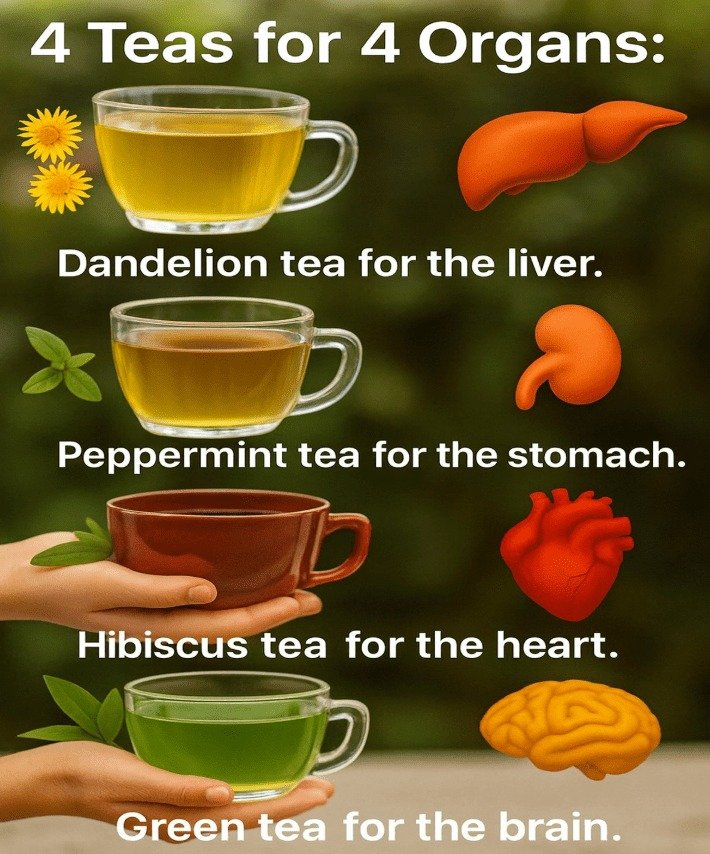
Comparative Overview: Four Teas for Four Vital Organs
| Organ | Tea | Key Benefit | When to Drink |
|---|---|---|---|
| Liver | Dandelion root | Supports cleansing & detox | Before meals |
| Stomach | Ginger | Aids digestion & comfort | After meals |
| Heart | Hawthorn berry | Circulation & vessel support | 2–3 times weekly |
| Brain | Green tea | Focus & mental clarity | Morning/afternoon |
An Illustrative Real-Life Example: Adopting a Weekly Tea Ritual
Consider the case of Daniel, a 52-year-old educator, who decided to integrate these specific teas into his regular weekly schedule. He adopted a routine of consuming dandelion root tea before lunch, ginger tea after his evening meal, green tea each morning, and hawthorn berry tea during the weekends. After just two months, Daniel noted a significant improvement, reporting that he felt less heavy after eating, experienced heightened focus during his work tasks, and generally felt a reduction in his overall stress levels. Although his physician reiterated that tea should not be considered a substitute for professional medical treatment, Daniel personally discovered this ritual to be both centering and deeply satisfying.
Important Precautions and Considerations
- Potential allergies and sensitivities: It is always prudent to introduce any new herbal remedies in small quantities to assess your body’s reaction.
- Existing medical conditions: Individuals diagnosed with liver ailments, heart conditions, or those currently taking prescription medications (particularly blood thinners) should seek advice from their healthcare provider before commencing any new tea regimen.
- Importance of moderation: Consuming 1–2 cups daily is typically considered safe; however, excessive intake may potentially lead to adverse effects.
- Emphasis on quality: Whenever feasible, opt for organic and pesticide-free herbs to ensure the highest quality and purity.
Concluding Thoughts
In summary, these four distinct teas—dandelion root, ginger, hawthorn berry, and green tea—offer straightforward yet impactful avenues for nurturing the health of your liver, stomach, heart, and brain. While it is essential to remember that they do not serve as standalone cures, they can effectively enhance existing healthy routines and contribute significantly to achieving equilibrium on your personal wellness path.
A Brief Summary:
- Dandelion root is beneficial for liver support.
- Ginger contributes to digestive ease and stomach comfort.
- Hawthorn berry offers nourishment for the heart.
- Green tea promotes heightened brain vitality.
- The greatest benefits are realized through consistent use and integration with a healthy lifestyle.
Important Disclaimer: This article is intended solely for general informational and educational purposes. The content presented herein is not a substitute for professional medical diagnosis, treatment, or personalized health advice. It is imperative to always consult with a qualified healthcare provider before initiating any new herbal routines, particularly if you are managing chronic health conditions or are currently on any medications.