 By admin
 Nourishing Futures: 5 Foods to Rethink for Your Children’s Health
As parents, our deepest desire is to equip our children with the very best foundation for life. Yet, in the whirlwind of daily routines and meal planning, it’s easy to overlook potential dietary pitfalls hidden within common convenience foods. Many popular items that kids adore are laden with excessive added sugars, unhealthy fats, and artificial preservatives. A growing body of research links these ingredients to long-term health concerns, including an elevated risk of chronic conditions later in life. Esteemed organizations like the American Cancer Society and MD Anderson Cancer Center consistently underscore the profound impact of dietary patterns on overall well-being.
The encouraging news is that making thoughtful, modest adjustments today can significantly bolster your child’s health for years to come. This comprehensive guide will illuminate five prevalent food categories worth reconsidering—and explain precisely why these dietary shifts are more crucial than you might realize. Stay with us until the end for actionable, practical tips that could genuinely transform your family’s eating habits.
Why These Foods Warrant Concern for Developing Children
Children’s bodies are in a critical phase of growth and development, making their nutritional intake profoundly influential. Everything from their energy levels and cognitive function to their immune system’s robustness is shaped by what they consume. Scientific studies consistently demonstrate that diets rich in ultra-processed items, excessive added sugars, and certain food additives can contribute to undesirable weight gain, systemic inflammation, and other physiological factors associated with future health challenges. For instance, the American Cancer Society emphasizes that reducing the intake of sugar-sweetened beverages and processed meats is a vital step toward a healthier trajectory. However, the objective isn’t absolute perfection, but rather informed awareness and mindful balance. Let’s delve into the five food groups many health experts advise parents to critically evaluate.
1. Sugar-Sweetened Beverages and Sodas
These vibrant, often tempting drinks might seem like an innocent treat, yet they are typically packed with added sugars, providing ’empty calories’ devoid of essential nutrients. Regular consumption can trigger rapid fluctuations in blood sugar and contribute significantly to excess weight over time. Research, including findings from the American Cancer Society, connects sugary drinks to an increased likelihood of obesity-related issues, which, in turn, are linked to a spectrum of broader health complications. Children who frequently consume these beverages often displace healthier options like water or milk, both crucial for proper hydration and robust bone development. A surprising revelation: even many ‘fruit’ drinks marketed as wholesome can conceal sugar content comparable to, or even exceeding, that found in traditional sodas.
2. Processed Meats: Hot Dogs, Bacon, and Deli Slices
While undeniably convenient for quick lunches or dinners, these products contain nitrates, high levels of sodium, and various preservatives engineered to extend their shelf life. The International Agency for Research on Cancer (IARC) has definitively classified processed meats as carcinogenic to humans, citing robust links to colorectal cancer risk in extensive long-term studies. For children, frequent exposure accumulates over time. Research from reputable sources such as MD Anderson Cancer Center highlights how these foods, when integrated into a regular diet, may elevate overall cancer risks. Opting for alternatives significantly reduces exposure to potentially harmful compounds generated during processing. The crucial insight here is that it’s not the occasional hot dog that causes concern, but rather the consistent pattern of consumption over many months and years.
3. Ultra-Processed Snacks: Chips, Cookies, and Sugary Cereals
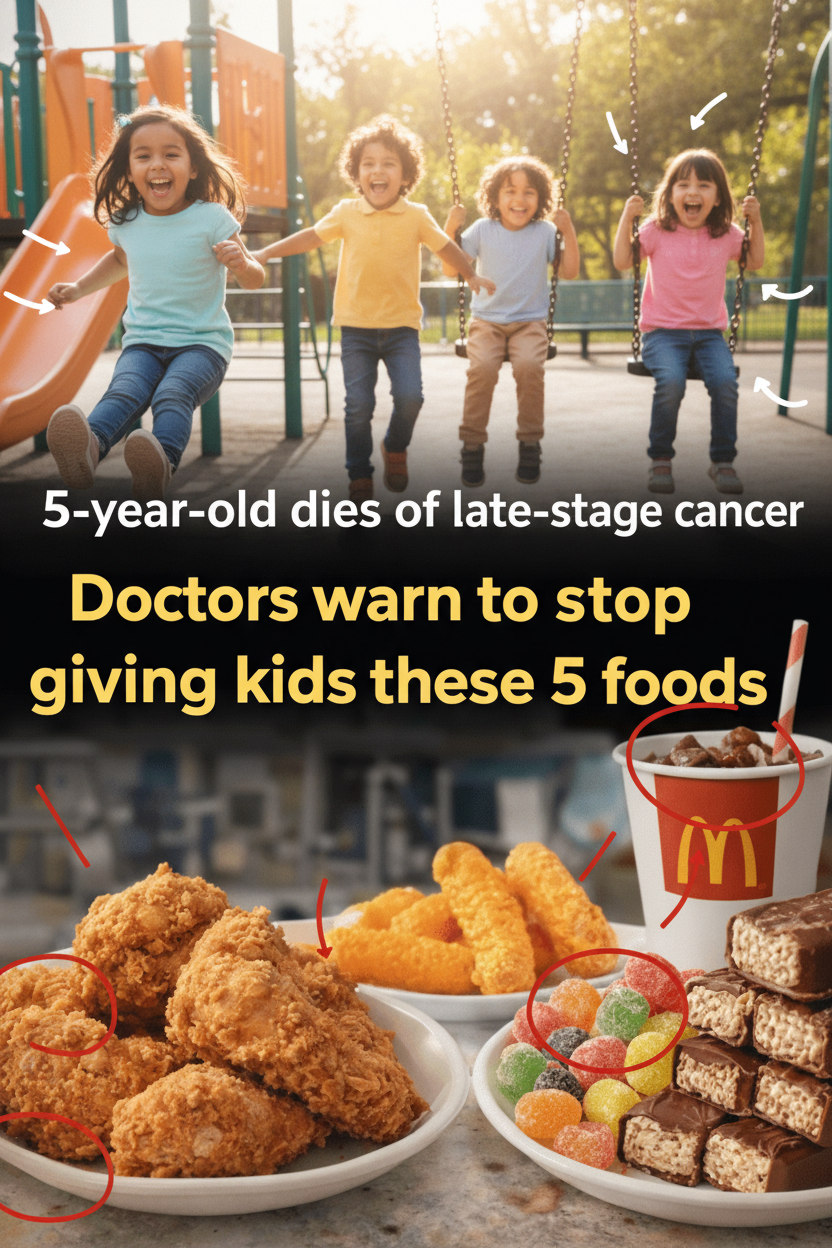
These ubiquitous grab-and-go snacks are meticulously engineered for maximum palatability, often featuring refined grains, trans fats or unhealthy partially hydrogenated oils, and a host of artificial additives. A rapidly expanding body of scientific evidence, including comprehensive reviews in leading medical journals, correlates high intake of ultra-processed foods with heightened risks for various cancers and a range of chronic diseases. Children are naturally drawn to their crunchiness and sweetness, but these snacks invariably displace nutrient-dense choices such as fresh fruits, vegetables, or whole grains. The World Cancer Research Fund notes that even partially substituting these items with minimally processed alternatives can significantly lower certain health risks. A startling fact: many cereals marketed specifically for children contain more sugar per serving than typical dessert items.
4. Fried Foods and Items High in Unhealthy Fats
French fries, chicken nuggets, and other deep-fried favorites are staples in many children’s meals. However, frequent consumption introduces excessive amounts of saturated and trans fats. These unhealthy fats can promote systemic inflammation and contribute to weight management challenges over time. Evidence from numerous health organizations consistently demonstrates strong correlations between high-fat, processed diets and elevated health risks. Trans fats, in particular, have been widely phased out in many regions due to their severe cardiovascular concerns, though residual amounts may still be present in some fried products. Here’s a helpful tip: utilizing an air fryer or baking at home can dramatically reduce fat content while preserving the enjoyable texture and flavor that children love.
5. Candy, Gummies, and Sweet Treats Loaded with Additives
These brightly colored confections commonly contain artificial dyes, high-fructose corn syrup, and other synthetic additives. While occasional treats are perfectly acceptable within a balanced diet, allowing them to become a daily habit displaces more nutritious food choices and introduces unnecessary sugars. Research firmly links excessive added sugar intake to a broader spectrum of health problems beyond just dental cavities, including energy crashes, mood fluctuations, and an increased risk of developing metabolic issues over time. These sugary items offer negligible nutritional value, and their frequent consumption can hinder a child’s ability to appreciate the natural sweetness of fruits and other wholesome foods, impacting their long-term dietary preferences.
Simple Steps for Cultivating Healthier Habits
Empowering your children with healthier eating habits doesn’t require drastic overhauls; it’s about making consistent, small, positive changes. Start by gradually reducing the presence of these five food categories in your home. Replace sugary drinks with water or unsweetened milk. Opt for lean, unprocessed proteins instead of deli meats. Swap ultra-processed snacks with fruits, vegetables, or whole-grain crackers. Experiment with healthier cooking methods like baking, grilling, or air-frying instead of deep-frying. Remember, involving your children in meal preparation and grocery shopping can foster a positive relationship with food and make them more likely to embrace nutritious choices. Every small step contributes to a lifetime of better health for your little ones.