 By admin
 In today’s fast-paced world, many individuals frequently indulge in fast food and sugary beverages, often unaware of the silent burden these choices place on their liver. Over time, a diet rich in excessive sugars and highly processed ingredients can trigger the accumulation of fat within this vital organ. This condition, historically known as Non-Alcoholic Fatty Liver Disease (NAFLD), is now more precisely termed Metabolic Dysfunction-Associated Steatotic Liver Disease (MASLD). Affecting millions globally, MASLD frequently progresses without noticeable early symptoms, making early intervention crucial to prevent more severe complications. The encouraging news, however, is that extensive research consistently demonstrates the profound positive impact of strategic lifestyle modifications—particularly dietary improvements and consistent physical activity—on overall liver health. Reputable institutions such as the Mayo Clinic and the American Liver Foundation underscore how reducing intake of added sugars and ultra-processed items, while prioritizing nutrient-dense whole foods, significantly enhances liver function. The truly empowering aspect is that even minor, consistent adjustments can yield substantial, long-term benefits. In the following sections, we will delve into actionable strategies you can implement starting today to support your liver’s well-being.
Understanding the Impact of Modern Diets on Liver Health
The liver, a remarkably resilient organ, tirelessly filters and processes nearly everything we consume. However, when our daily dietary intake is dominated by excessive added sugars—particularly fructose found in sodas, candies, and many packaged goods—and ultra-processed foods, the liver becomes overwhelmed. It then begins to convert this surplus energy into fat, storing it within its cells. Numerous studies, including those examining the links between dietary sugars and hepatic steatosis, confirm that a consistent high intake of these unhealthy components directly contributes to increased fat accumulation in the liver. Yet, improving liver health isn’t solely about incorporating beneficial foods; it’s equally about actively reducing harmful ones. Systematically cutting down on sugary drinks and convenience foods empowers the liver to more effectively metabolize fats and prevent their detrimental buildup. Clinical reviews consistently show that such reductions are vital for fostering robust overall metabolic health. Beyond the physical benefits, consider the profound emotional impact: envision experiencing heightened energy, feeling lighter, and exuding greater confidence in your daily life, all because you’ve provided your body with the fundamental support it craves. This renewed sense of well-being is a powerful and sustainable catalyst for change, inspiring many to embrace healthier dietary choices.
What Research Says About Lifestyle Support for Liver Health
Extensive scientific literature consistently highlights that while there’s no magic bullet for liver health, the cumulative effect of consistent healthy habits is undeniably transformative. For instance, consider these evidence-backed findings:
- Achieving even a modest weight loss of 5-10% of body weight, primarily through sustainable lifestyle interventions, has been shown to dramatically reduce liver fat content. This finding is supported by research from reputable institutions such as Michigan Medicine and the University of Missouri.
- Adopting the Mediterranean dietary pattern—characterized by an abundance of fresh fruits, vegetables, whole grains, lean protein sources, and beneficial fats like olive oil—is strongly associated with significant reductions in liver fat and a marked improvement in inflammation markers among individuals struggling with fatty liver conditions.
- Engaging in regular physical activity, encompassing both cardiovascular (aerobic) workouts and resistance (strength) training, independently contributes to lowering hepatic fat levels. This crucial insight is frequently emphasized in comprehensive reviews published in journals like the Journal of Hepatology.
Moreover, the benefits are amplified when these strategies are combined. Integrating mindful dietary choices with consistent physical movement creates a powerful synergistic effect, enabling the liver to metabolize fats with greater efficiency and fostering superior long-term health outcomes.
Key Foods and Habits to Focus On for Better Liver Support
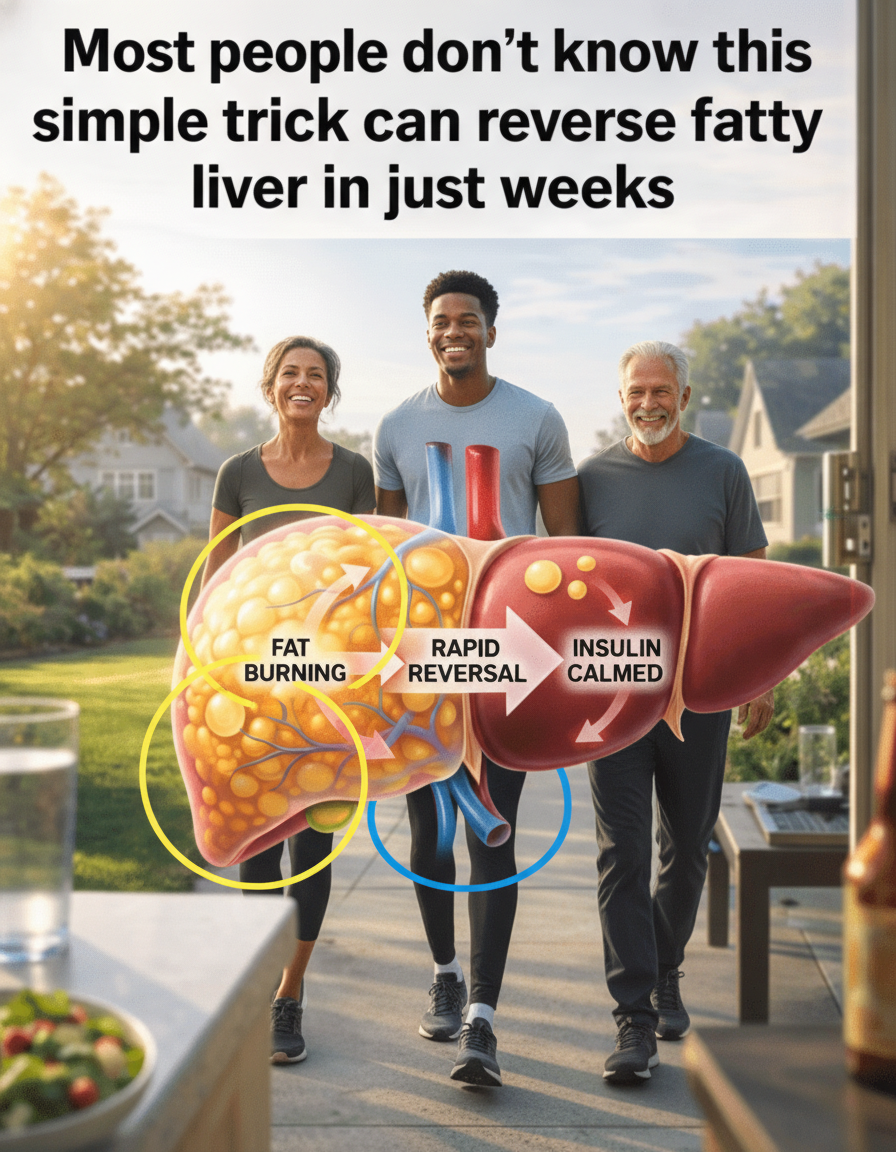
For lasting success in improving liver health, the most effective approach involves adopting realistic, incremental dietary and lifestyle adjustments rather than drastic, unsustainable overhauls. Below is a practical guide featuring simple swaps:
| Foods to Limit | Better Alternatives | Why It Helps |
|---|---|---|
| Sugary beverages, sodas, and high-sugar desserts | Plain water, unsweetened herbal teas, or black coffee | Significantly diminishes the hepatic burden of excessive fructose, a major contributor to liver fat. |
| Convenience fast foods and deep-fried items | Lean grilled proteins, oven-baked vegetables, or homemade meals | Drastically cuts down on unhealthy processed fats, trans fats, and surplus calories that stress the liver. |
| Highly processed packaged snacks | A handful of nuts, fresh seasonal fruits, or plain Greek yogurt | Delivers essential nutrients and beneficial fiber without the hidden sugars, artificial additives, and unhealthy fats common in processed items. |
| Refined carbohydrates (e.g., white bread, pastries) | Complex whole grains such as oats, quinoa, or whole-wheat bread | Promotes stable blood sugar levels, provides sustained energy, and boosts dietary fiber, aiding digestion and metabolic balance. |
Here are additional evidence-based strategies you can integrate into your daily life immediately:
- Prioritize Whole, Unprocessed Foods: Structure your meals around a rich variety of fresh vegetables, fruits, and lean protein sources. Scientific consensus, particularly supporting plant-heavy eating patterns like the Mediterranean diet, consistently demonstrates profound benefits for liver detoxification and regeneration.
- Incorporate Healthy Fats Mindfully: Include sources of monounsaturated and omega-3 fatty acids in moderation, such as extra virgin olive oil, avocados, and fatty fish (e.g., salmon, sardines). Research indicates these fats can support healthy liver cell function and reduce inflammation.
- Maintain Optimal Hydration and Consider Coffee: Ensure adequate daily water intake. Interestingly, moderate coffee consumption (typically 2-3 cups daily) has been linked in observational studies to improved liver enzyme levels and a reduced risk of various liver conditions.
- Engage in Regular Physical Activity: Aim for at least 150 minutes of moderate-intensity aerobic exercise per week, which could include brisk walking, cycling, or swimming. Complement this with strength training. Even brief, consistent bursts of movement throughout the day contribute positively to reducing liver fat and improving insulin sensitivity.
These recommendations are not quick fixes or “miracle cures,” but rather scientifically validated approaches that are achievable and easily integrated into a sustainable routine for long-term liver health.
A Step-by-Step Guide to Daily Liver-Supporting Habits
Embarking on a journey to better liver health doesn’t require immediate drastic changes. Instead, focus on building sustainable habits incrementally. Here’s a practical, beginner-friendly plan designed to integrate seamlessly into your week:
- Morning Hydration Boost: Start your day with a large glass of water, perhaps with a squeeze of lemon. This simple act kickstarts your metabolism and aids detoxification.
- Smart Breakfast Choices: Swap sugary cereals or white toast for a bowl of oats with berries and nuts, or a protein-rich scramble with vegetables. Prioritize fiber and protein to keep you full and stabilize blood sugar.
- Mindful Lunch Planning: Opt for balanced meals featuring lean protein (chicken, fish, legumes), plenty of colorful vegetables, and a serving of whole grains like quinoa or brown rice. Avoid processed deli meats and heavy sauces.
- Hydration Throughout the Day: Carry a water bottle and sip regularly. Replace sugary sodas or fruit juices with unsweetened herbal tea or plain sparkling water.
- Active Breaks: Incorporate short bursts of movement. Take a 10-15 minute brisk walk during your lunch break or do a few stretches every hour. Every step counts towards your weekly activity goal.
- Healthy Snacking: Instead of reaching for chips or cookies, choose nutrient-dense snacks like an apple with almond butter, a handful of walnuts, or plain yogurt.
- Dinner Focus: Prepare home-cooked meals that are rich in vegetables and lean proteins. Experiment with healthy cooking methods like baking, grilling, or steaming instead of frying.
- Limit Evening Indulgences: Reduce late-night snacking, especially on processed foods. Allow your liver time to rest and regenerate overnight.
- Prioritize Sleep: Aim for 7-9 hours of quality sleep each night. Adequate rest is crucial for overall bodily repair and metabolic function, including liver health.
Remember, consistency is key. Even small, deliberate steps taken daily will collectively contribute to a healthier, more resilient liver over time. Begin today, and empower your body to thrive!