 By admin
 Nipah Virus Explained: Symptoms, Transmission, Risks, and Essential Prevention Strategies
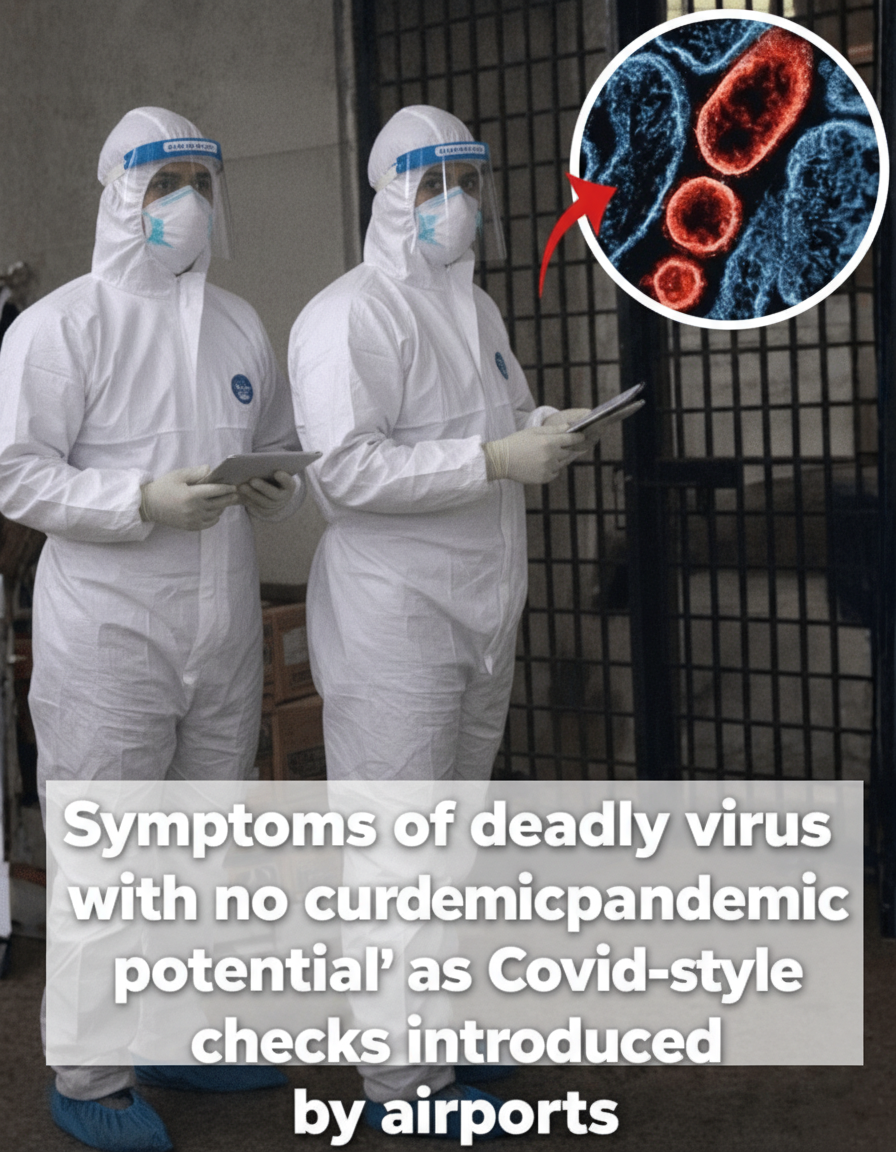
The Nipah virus (NiV) has once again drawn global attention following recent, localized reports of cases in West Bengal, India. These incidents have spurred rapid responses from health authorities and led to heightened screening protocols at some Asian airports, echoing measures taken during previous public health crises. As a zoonotic pathogen primarily hosted by fruit bats, NiV presents a significant public health concern due to its severe potential outcomes and the current absence of specific vaccines or antiviral treatments. While outbreaks have historically been confined to specific regions within South and Southeast Asia, understanding this virus is crucial for both public awareness and effective prevention. This comprehensive guide delves into insights from leading health organizations like the WHO and CDC, covering the early identification of symptoms, its various transmission pathways, and actionable steps individuals can take to minimize exposure risks—including a simple, yet impactful, daily practice that reinforces broader infection control principles.
What is the Nipah Virus and Why is it a Global Health Concern?
The Nipah virus (NiV) is a highly pathogenic paramyxovirus that poses a significant threat to global health due to its zoonotic origins and potential for severe disease in humans. Classified by health organizations as a priority pathogen, NiV is capable of causing a spectrum of illnesses, from mild to fatal. The World Health Organization (WHO) highlights the alarming mortality rates observed in past outbreaks, which have fluctuated between 40% and 75%, depending on the quality of local healthcare infrastructure and surveillance systems. Currently, there is no specific antiviral treatment for Nipah virus infection; the U.S. Centers for Disease Control and Prevention (CDC) confirms that patient management relies on intensive supportive care aimed at alleviating symptoms and improving survival rates.
The recent cluster of cases in West Bengal, involving healthcare professionals at a private facility, was promptly managed by Indian authorities. Through diligent contact tracing and testing, the situation was declared contained, with no evidence of broader community transmission or spillover beyond the immediate region. Despite this localized containment, global health agencies remain vigilant. The inherent zoonotic nature of NiV, coupled with its documented ability for limited human-to-human transmission in close-contact environments, underscores the ongoing need for robust surveillance and preparedness worldwide.
Recognizing Early Signs and Symptoms of Nipah Virus Infection
Identifying Nipah virus infection in its nascent stages can be challenging, as initial symptoms frequently mimic those of more common respiratory ailments. This similarity necessitates heightened awareness without inciting panic. According to the CDC, the incubation period typically ranges from 4 to 14 days post-exposure, though sporadic cases with longer intervals have been documented. The onset of illness often presents with a combination of:
- Fever
- Headache
- Myalgia (muscle aches)
- Vomiting
- Sore throat
Beyond these initial manifestations, some individuals may develop respiratory distress, characterized by a persistent cough, shortness of breath, or general difficulty in breathing. The most alarming aspect of Nipah infection, however, is its potential progression to encephalitis—a severe inflammation of the brain. This neurological complication can manifest as disorientation, profound drowsiness, seizures, altered states of consciousness, and other life-threatening conditions.
Evidence from numerous studies and outbreak analyses consistently highlights that timely recognition and immediate medical intervention are paramount for effective supportive care and improved patient outcomes. If you develop flu-like symptoms, particularly after potential exposure in a region where Nipah cases have been reported, it is imperative to seek professional medical evaluation without delay. Self-diagnosis and self-treatment are strongly discouraged.
Understanding Nipah Virus Transmission: Pathways from Animals to Humans
Nipah virus is fundamentally a zoonotic disease, meaning its primary source is animal populations, from which it can then transmit to humans. Fruit bats, specifically those from the Pteropus genus, commonly known as flying foxes, are considered the natural hosts or reservoirs for NiV. These bats can carry and shed the virus through their saliva, urine, and other bodily secretions without exhibiting any symptoms themselves, making them silent carriers.
The primary routes through which Nipah virus can spread to humans include:
- Direct Bat-to-Human Transmission: This often occurs through the consumption of food products contaminated by bat secretions. A notable example is raw date palm sap, a popular beverage in some regions, which can become contaminated when bats feed on the sap-collecting pots. Similarly, fruits partially eaten or contaminated by infected bats can also pose a risk if consumed by humans.
- Animal-to-Human Transmission: In earlier outbreaks, particularly in Malaysia and Singapore, Nipah virus spread from infected pigs to humans who had close contact with these animals. While less common now, other domestic animals could potentially act as intermediate hosts if exposed to infected bats.
- Human-to-Human Transmission: Although not the primary mode of spread, human-to-human transmission of Nipah virus has been documented. This typically happens in settings involving close, unprotected contact with the bodily fluids of an infected person, most frequently observed within healthcare environments or among caregivers. Sustained, widespread community transmission from person to person remains rare, but the potential exists.
To mitigate the risk of zoonotic spillover events, the WHO strongly advocates for preventing bats from accessing and contaminating human food sources. Implementing measures such as covering date palm sap collection pots and thoroughly washing fruits before consumption are crucial steps in regions where the virus is endemic.
Nipah vs. Common Respiratory Illnesses: A Critical Comparison
To better contextualize the Nipah virus and differentiate it from more prevalent respiratory pathogens, here’s a comparative overview highlighting key distinctions. While initial symptoms can overlap, the potential severity and specific complications of Nipah set it apart:
- Incubation Period:
- Nipah Virus: Typically 4 to 14 days, with rare instances extending longer.
- Common Flu: Generally 1 to 4 days.
- COVID-19: Ranges from 2 to 14 days.
- Initial Symptoms:
- Nipah Virus: Often includes fever, headache, sore throat, and vomiting, sometimes with respiratory symptoms.
- Common Flu: Similar symptoms but frequently characterized by a more abrupt onset.
- COVID-19: Highly variable, including fever, cough, fatigue, and loss of taste/smell.
- Severe Progression:
- Nipah Virus: A major concern is the progression to severe encephalitis (brain inflammation), leading to neurological complications and altered consciousness.
- Common Flu/COVID-19: Severe cases typically involve pneumonia, acute respiratory distress syndrome (ARDS), and multi-organ failure, especially in vulnerable populations.
- Estimated Fatality Rate (in outbreaks):
- Nipah Virus: Alarmingly high, ranging from 40% to 75%.
- Common Flu: Generally less than 0.1% (seasonal flu), though can be higher in pandemics.
- COVID-19: Varies significantly by age, underlying conditions, and healthcare access, but typically lower than Nipah (e.g., 0.5% – 5% depending on variant and region).
Proactive Prevention: Minimizing Your Risk of Nipah Virus Exposure
Given the severity and lack of specific treatment for Nipah virus, prevention is paramount. Adhering to robust public health guidelines and adopting certain precautionary measures can significantly reduce the risk of exposure, particularly for those in or traveling to endemic regions. Here are key preventive strategies:
- Avoid Contact with Bats and Sick Animals: Refrain from direct contact with fruit bats, their droppings, or any potentially contaminated areas where they roost. Similarly, avoid unprotected contact with sick pigs or other animals, especially if they exhibit unusual neurological or respiratory symptoms.
- Practice Food Safety: This is where a critical, often overlooked, everyday habit comes into play. Ensure all fruits are thoroughly washed and peeled before consumption. Avoid eating fruits that show signs of bat bites or contamination. Furthermore, never consume raw date palm sap, as it is a known vehicle for Nipah transmission when contaminated by bats. Cooking or boiling sap before consumption is a vital preventive step.
- Maintain Excellent Hand Hygiene: Regularly wash hands thoroughly with soap and water, especially after being outdoors, before preparing food, and after any potential contact with animals or their environments.
- Exercise Caution in Healthcare Settings: If caring for a person suspected or confirmed to have Nipah virus, always use appropriate personal protective equipment (PPE) and follow strict infection control protocols to prevent human-to-human transmission.
- Stay Informed: Keep abreast of local health advisories and travel warnings, especially when visiting or residing in regions where Nipah outbreaks have occurred.
By understanding the transmission routes and diligently applying these preventive measures, individuals can play a crucial role in safeguarding their health and contributing to broader public health efforts against the Nipah virus.