 By admin
 The recent confirmation of Nipah virus cases in India’s West Bengal has swiftly prompted health authorities across Asia to implement heightened screening measures at international airports. This highly concerning zoonotic virus, recognized for its severe potential, has triggered proactive public health responses aimed at preventing wider dissemination. While the current situation appears localized, with a limited number of confirmed infections and no indication of widespread community transmission, public anxiety surrounding emerging infectious diseases remains palpable. Gaining a clear understanding of the facts is crucial for alleviating concerns and empowering individuals to make informed choices, particularly concerning travel or daily routines that might involve known risk factors. This comprehensive article will explore the nature of the Nipah virus, detail its transmission dynamics in the present context, and outline practical preventive strategies for everyone, including an essential expert-backed insight on daily habits vital for mitigating zoonotic risks.
Understanding the Nipah Virus: A Significant Zoonotic Threat
The Nipah virus (NiV) is classified as a zoonotic pathogen, signifying its ability to transmit from animals to humans. The World Health Organization (WHO) has designated NiV as a priority emerging disease, acknowledging its substantial pandemic potential alongside other highly concerning viruses. Its natural reservoir is found in fruit bats, specifically those of the Pteropus genus, commonly known as flying foxes. These bats can carry and shed the virus through their saliva, urine, or feces without exhibiting any symptoms themselves. Human infection frequently arises from indirect exposure, such as ingesting raw date palm sap tainted by bat excreta, or through intimate contact with infected pigs in agricultural environments. Furthermore, human-to-human transmission is a documented concern, particularly within close-contact situations like healthcare facilities or domestic settings, often involving exposure to respiratory secretions or other bodily fluids. Historical data from previous outbreaks indicate a formidable case fatality rate, typically ranging from 40% to 75%, largely influenced by the availability of immediate and comprehensive medical support. Initial symptoms commonly include fever, headaches, and muscle aches. In more severe instances, the disease can advance to cause respiratory distress or critical neurological complications, including encephalitis, which is inflammation of the brain. A critical point to remember is the current absence of approved vaccines or specific antiviral medications for Nipah virus; treatment primarily revolves around providing intensive supportive care to manage symptoms and complications.
West Bengal’s Latest Nipah Outbreak: A Detailed Overview
In late 2025 and early 2026, health authorities in West Bengal, India, confirmed a contained cluster of Nipah virus infections, predominantly affecting healthcare personnel within a hospital environment. India’s National Centre for Disease Control (NCDC) and its Ministry of Health officially documented only two confirmed cases since December. Crucially, comprehensive contact tracing efforts identified approximately 200 individuals who had been in contact with the infected, all of whom subsequently tested negative and remained asymptomatic. This particular event signifies the first recorded Nipah activity in West Bengal in nearly two decades, with prior outbreaks occurring in 2001 and 2007. The evidence strongly suggests that these cases are linked to nosocomial (hospital-acquired) transmission rather than extensive community spread, and officials have reassuringly stated that the outbreak is under control, with continuous surveillance in place.
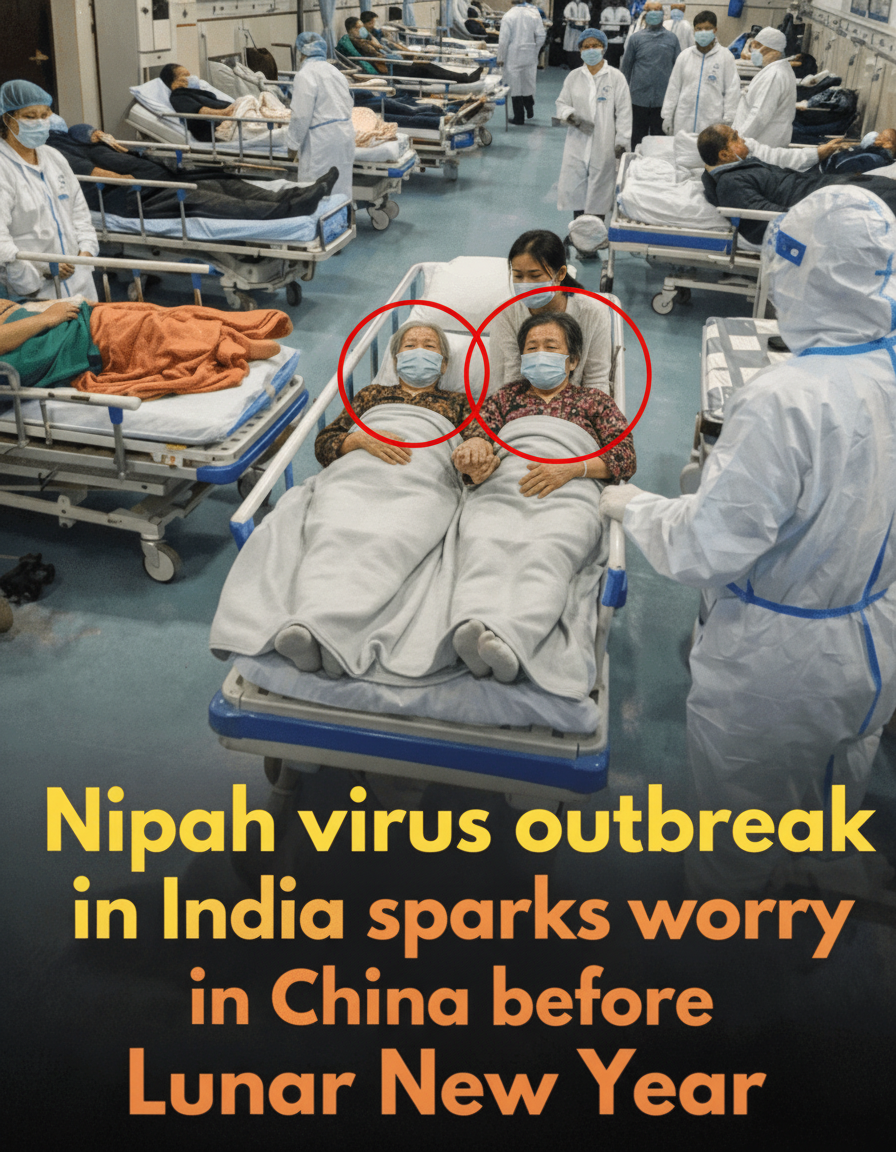
Despite the localized nature of this incident, it has prompted a robust regional response. Several Asian nations, including Thailand, Nepal, Taiwan, Singapore, and Malaysia, have swiftly implemented enhanced health screenings, thermal checks, and mandatory travel declarations at their primary airports for all arrivals originating from affected regions. These proactive measures reflect critical lessons learned from past global health crises, emphasizing early detection as a cornerstone of disease control. Below is a concise summary of key findings from recent official reports:
- Confirmed cases: Restricted to a small, localized cluster (officially two, according to government statements, though some media reports indicated broader healthcare worker involvement).
- Primary transmission route in this event: Predominantly within a healthcare setting, via close contact.
- Individuals traced and tested: Approximately 196, all yielding negative results.
- Regional public health response: Implementation of airport screenings across several Asian countries.
- Current outcome: The situation remains contained, with no international spread reported to date.
However, effective prevention extends beyond national borders, necessitating a deeper understanding of transmission pathways.
Understanding Nipah Virus Transmission: Key Pathways
To fully comprehend the associated risks, it’s essential to examine the primary mechanisms through which Nipah virus is transmitted to humans:
- Direct/Indirect Bat Contact: Exposure can occur through direct interaction with bat droppings or, more commonly, via consuming food items contaminated by bats. A notable example is raw date palm sap, often collected in open vessels in various South Asian regions, which can be tainted by infected fruit bats.
- Infected Livestock (Pigs): Pigs serve as significant intermediate hosts and amplifiers of the virus. Close proximity to infected pigs, particularly during farming activities or slaughter, has historically led to human infections, as evidenced in prior outbreaks in Malaysia.
- Human-to-Human Spread: This pathway involves close and sustained contact with an infected individual, typically through exposure to their respiratory secretions or other bodily fluids.