 By admin
 Nipah Virus Alert: Essential Information and Why Avoiding Bat-Contaminated Fruit is Crucial
Imagine reaching for a refreshing piece of fruit on a warm day, unaware that such a simple pleasure could harbor a hidden health risk. Recent reports from India concerning suspected Nipah virus cases have prompted Vietnam’s Ministry of Health to issue an urgent public health advisory. This highlights the critical importance of food safety practices that many of us often overlook. This emerging concern serves as a powerful reminder of how intimately our health is connected to our environment, particularly regarding wildlife interactions and the foods we consume daily. The good news is that straightforward, actionable steps can significantly mitigate these risks—and we will detail these below, including a crucial habit that can offer substantial protection.
Understanding the Nipah Virus and Recent Health Advisories
The Nipah virus (NiV) is a formidable zoonotic pathogen, meaning it naturally transmits from animals to humans. Its primary natural hosts are fruit bats, particularly species like flying foxes, which act as reservoirs for the virus. First identified in Malaysia in 1999, NiV has since caused sporadic outbreaks in various countries, including Bangladesh and India. According to the World Health Organization (WHO), Nipah infections generally occur in small clusters rather than large-scale epidemics. However, the virus is exceptionally severe: among individuals who develop acute symptoms requiring hospitalization, the case fatality rate has historically ranged from 40% to 75% in previous outbreaks. Currently, there is no approved vaccine or specific antiviral treatment available, making awareness and preventive hygiene paramount.
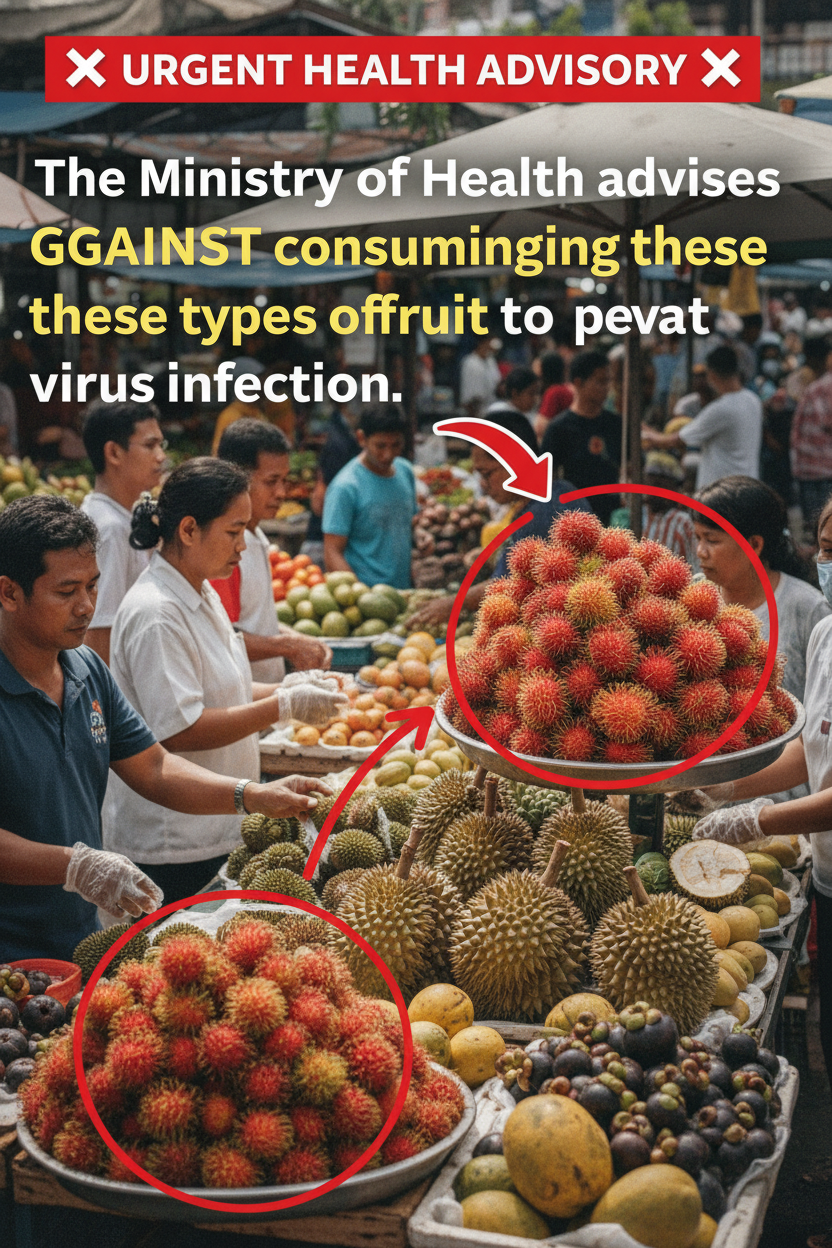
In late January 2026, Vietnam’s Ministry of Health responded to developments in India, where five suspected Nipah cases (including two confirmed) were reported in West Bengal between late December 2025 and January 26, 2026. These cases notably involved healthcare workers within a hospital setting. It’s important to clarify that Vietnam has not yet recorded any Nipah virus infections. Nevertheless, the Ministry is proactively enhancing surveillance at national borders, healthcare facilities, and within communities to maintain a high level of preparedness. A key part of this advisory, particularly relevant to the public, is a strong recommendation against consuming fruit that shows any signs of being bitten or gnawed by bats or birds. This caution is vital because contaminated food, especially raw fruits or tree sap, can act as a direct pathway for transmission when virus-carrying bats come into contact with them.
How Nipah Virus Spreads: Understanding Transmission Pathways
Nipah virus primarily disseminates through direct or indirect exposure to infected sources. Here’s a breakdown of the main routes through which it can infect humans:
- From Bats to Humans: Fruit bats can contaminate fruits with their saliva or urine while feeding or roosting. Consuming raw, unwashed, or partially eaten fruit is a recognized risk factor in regions where the virus is endemic.
- Contaminated Food and Beverages: Raw date palm sap, often collected in open containers, is a well-documented transmission route in South Asia, as bats may lick or urinate into these collection vessels. Similar risks apply to other fresh, unprocessed tree saps or fruits that may be exposed to bats.
- Animal-to-Human Contact: In past outbreaks, domestic animals such as pigs, which were exposed to bat-contaminated materials, became infected and subsequently transmitted the virus to humans through close contact.
- Person-to-Person Transmission: Close contact with bodily fluids from an infected individual (e.g., respiratory droplets or secretions) can facilitate transmission, particularly in caregiving environments. The incubation period typically ranges from 4 to 14 days, meaning symptoms may not manifest immediately after exposure.
Recognizing the Symptoms: What to Look Out For
Early symptoms of Nipah virus infection can often be mistaken for common illnesses, making prompt awareness critical. Initial signs frequently include:
- Headache
- Muscle aches
- Vomiting
- Sore throat
As the disease progresses, more severe neurological complications can emerge, such as:
- Dizziness or profound drowsiness
- Confusion or altered consciousness
- Seizures
In its most severe form, NiV can lead to encephalitis (inflammation of the brain). If you have recently traveled to an affected region and experience any of these symptoms, it is imperative to seek immediate medical attention—be sure to inform healthcare providers of your travel history to expedite accurate risk assessment. Early supportive care can significantly improve outcomes. However, the most effective defense lies in prevention, and the Ministry’s guidance offers clear, everyday actions everyone can adopt.
Practical Prevention Steps: Actionable Tips from Health Authorities
Vietnam’s Ministry of Health strongly advocates for proactive habits to minimize Nipah virus risks. Adhere to these recommendations to safeguard yourself and your loved ones:
Food Safety Habits to Adopt Immediately
- Always thoroughly wash fruits and vegetables with clean water before consumption.
- Avoid eating any fruit that appears to have been bitten, pecked, or partially consumed by bats, birds, or other animals.
- Exercise caution with raw date palm sap and other unprocessed tree saps; ensure they are collected and stored in bat-proof containers. Consider boiling such products before consumption.
- If handling animals, especially pigs in affected areas, wear protective gloves and practice good hand hygiene.
- Avoid close contact with sick animals.
- Practice frequent hand washing with soap and water, especially after being outdoors, handling food, or caring for sick individuals.
- If caring for someone suspected of having Nipah virus, wear appropriate personal protective equipment (PPE) and follow strict hygiene protocols to prevent person-to-person transmission.
- Stay informed about local health advisories and follow official recommendations from health authorities.