 By admin
 Nipah Virus: A Critical Guide to Understanding This Deadly, Untreatable Threat
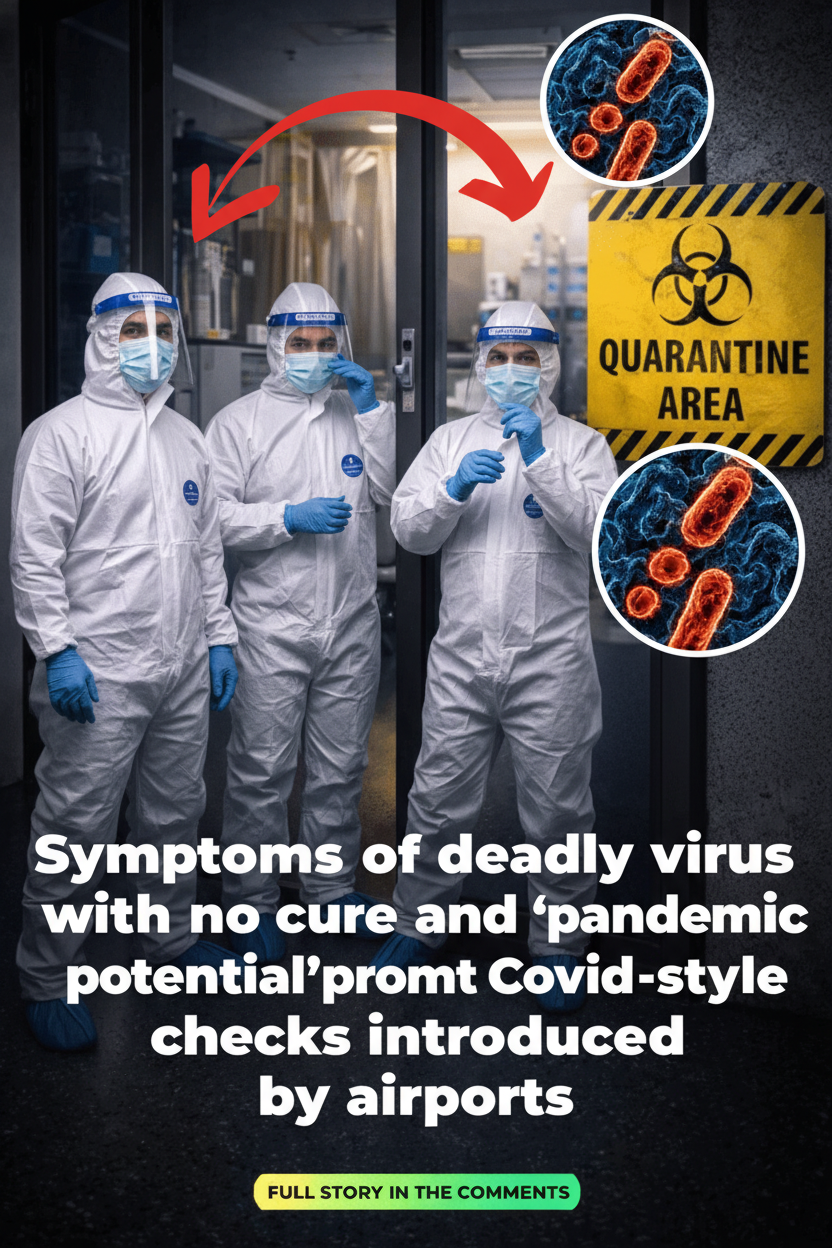
Health authorities worldwide are on heightened alert following recent confirmed cases of Nipah virus in West Bengal, India, which include two healthcare professionals now in critical condition. This concerning development has prompted airports in regions like Thailand, Nepal, and Taiwan to implement stringent health screenings, reminiscent of COVID-19 protocols, involving temperature checks, symptom questionnaires, and travel history reviews, all aimed at curbing potential global spread. The World Health Organization (WHO) has designated Nipah as a priority pathogen, recognizing its significant epidemic potential, largely due to its alarmingly high fatality rate and proven capacity for human-to-human transmission. This comprehensive guide will equip you with essential knowledge about the Nipah virus, covering its symptoms, transmission pathways, inherent dangers, and crucial steps to take if you suspect exposure.
What Is Nipah Virus?
Nipah virus (NiV) is a highly dangerous zoonotic virus, meaning it naturally circulates among animal populations before potentially infecting humans. Its primary natural hosts are fruit bats, specifically those belonging to the Pteropodidae family (also known as flying foxes). The virus can cross the species barrier to humans through several critical routes:
- Direct contact with infected bats or their bodily fluids, such as saliva or urine, often found on partially consumed fruit or raw date palm sap.
- Consumption of contaminated food items, particularly raw fruit that bats have bitten or licked, or unboiled date palm toddy.
- Close interaction with infected pigs, which was a significant transmission pathway during the major Nipah outbreak in Malaysia from 1998 to 1999.
- Human-to-human transmission, primarily via respiratory droplets, saliva, or other bodily fluids. This risk is particularly elevated in healthcare environments and within close household contacts of infected individuals.
Crucially, unlike illnesses such as COVID-19, there is currently no approved vaccine for Nipah virus, nor is there any specific antiviral treatment available. Medical intervention is limited to supportive care, focusing on managing symptoms through measures like ventilation, fluid administration, and general symptom alleviation.
Fatality Rate & Severity
The Nipah virus is characterized by an exceptionally high case fatality rate, typically ranging from 40% to 75%. This figure can fluctuate depending on the specific outbreak, the quality of healthcare access, and the medical support provided. To put this into perspective, Nipah’s mortality rate is vastly higher than the approximate 3.4% average observed for COVID-19.
Beyond the immediate risk to life, survivors of Nipah virus infection frequently face severe and debilitating long-term neurological complications. These can include persistent seizures, significant personality shifts, and chronic fatigue, profoundly impacting their quality of life.
Incubation & Symptoms
Symptoms of Nipah virus infection generally manifest within 4 to 14 days following exposure, although in rare instances, the incubation period can extend up to 45 days. The disease typically progresses through two distinct phases:
Early/Flu-Like Phase (typically 3–14 days):
- Fever
- Headache
- Muscle pain and aches (myalgia)
- Vomiting
- Sore throat
Severe Phase (can onset rapidly):
This phase often involves a swift deterioration of the patient’s condition, marked by:
- Respiratory distress: Including persistent cough, severe shortness of breath, and pneumonia.
- Encephalitis (brain inflammation): Leading to profound confusion, seizures, altered states of consciousness, and potentially a coma.
Certain demographics are at a significantly higher risk of contracting Nipah virus or experiencing severe outcomes. These include young children, healthcare workers, and individuals with direct exposure to bats, pigs, or confirmed Nipah patients.
Current Outbreak Context (West Bengal, January 2025)
The recent cluster of five confirmed Nipah virus cases in West Bengal, India, is a stark reminder of the virus’s ongoing threat. Alarmingly, two of these cases involve nurses, underscoring the risk to frontline healthcare personnel. Approximately 100 individuals who had close contact with the infected patients have been placed under quarantine as a precautionary measure.
In response, neighboring nations such as Thailand, Nepal, and Taiwan have intensified their airport screening procedures, implementing rigorous checks to detect potential cases among travelers. Fruit bats remain the primary natural reservoir for Nipah virus. Consequently, a critical public health warning advises against consuming any fruit that shows signs of animal bites or saliva contamination.
How to Protect Yourself (Official WHO & CDC Guidance)
Adhering to guidelines from leading health organizations like the WHO and CDC is paramount for preventing Nipah virus infection:
- Avoid Contaminated Fruit: Absolutely DO NOT consume any fruit (especially dates, mangoes, bananas, or jackfruit) that has visible bite marks, chew marks, or traces of saliva. Such fruit should be discarded immediately and safely.
- Safe Date Palm Sap Consumption: DO NOT drink raw date palm sap or toddy unless you are certain it has been protected from bat contamination. Boiling the sap effectively neutralizes the virus.
- Thorough Fruit Preparation: Always wash all fruits meticulously before consumption. Whenever feasible, peel fruits to further reduce risk.
- Minimize Animal Contact: Steer clear of direct contact with bats or sick pigs. Avoid entering known bat roosts or handling any sick animals.
- Strict Healthcare Hygiene: In healthcare settings, if there’s any potential for exposure, practice rigorous hygiene, including the consistent use of Personal Protective Equipment (PPE) and diligent handwashing.
- Monitor and Seek Care: If you have been in an area experiencing a Nipah outbreak or believe you may have been exposed, vigilantly monitor yourself for symptoms. Should you develop fever, headache, confusion, or breathing difficulties, seek immediate medical attention.
Bottom Line
While Nipah virus infections are rare, their emergence signals an extremely dangerous public health crisis. With no available vaccine, no specific cure, and a fatality rate significantly surpassing that of COVID-19, early detection and swift isolation are absolutely critical. The virus primarily spreads through contaminated food sources like fruit and date palm sap, as well as via human-to-human contact.
The single most impactful prevention strategy is straightforward: If a bat has bitten or licked a piece of fruit, do not eat it. Stay informed by following local health authority advisories and, critically, seek immediate medical care if symptoms appear after any potential exposure.
Quick Checklist for Prevention:
- Avoid fruit or sap contaminated by bats.
- Wash all fruit thoroughly; peel when possible.
- Maintain excellent personal hygiene.
- Monitor for key symptoms: fever, headache, confusion, or breathing issues.
One simple rule. One life-saving precaution. Please share this vital information with your family and friends, particularly those residing in or traveling to outbreak-prone regions.
Disclaimer
This article is provided for general informational purposes only and should not be considered as medical advice. Nipah virus infection is a severe and potentially fatal disease. If you experience symptoms such as fever, headache, vomiting, confusion, seizures, or difficulty breathing following potential exposure (e.g., consuming bat-bitten fruit, contact with sick pigs, or interaction with infected individuals), it is imperative to seek emergency medical care immediately. Always adhere to the guidelines issued by the World Health Organization (WHO), Centers for Disease Control and Prevention (CDC), and your local health authorities during any outbreak. Prompt medical intervention is crucial for improving outcomes.