 By admin
 Nighttime Drooling: Unpacking the Causes and What Your Body Might Be Telling You
Waking up to a damp pillow from drooling during sleep can certainly be an embarrassing and uncomfortable experience, often leaving you to ponder if there’s an underlying issue with your health. While many individuals occasionally experience this, persistent nighttime drooling, night after night, can disrupt restful sleep and prompt questions about potential causes, such as mouth breathing or excessive saliva production. The reassuring news is that, in most instances, simple factors like your sleep position or temporary nasal congestion are at play, and minor adjustments can make a significant difference.
However, it’s crucial not to overlook a key aspect: sometimes, excessive drooling acts as a subtle signal from your body, indicating something more significant. Stay with us as we delve into these important warning signs that warrant attention and explore practical steps you can implement starting tonight.
Understanding Drooling During Sleep: Why It Occurs
Drooling, medically referred to as sialorrhea, happens when saliva inadvertently exits the mouth while you are asleep. Research, including insights from reputable health organizations, confirms that saliva production is a continuous process. However, during periods of deep sleep, our natural swallowing reflexes tend to slow down considerably. If your mouth happens to be slightly open or gravity pulls saliva towards your lips, it can easily escape onto your pillow. This phenomenon is quite common and typically harmless for many adults, particularly those who prefer sleeping on their side or stomach.
Yet, when drooling becomes noticeably excessive or a regular occurrence, it often points to challenges with containing saliva, an increase in its production, or a reduction in the efficiency of your swallowing mechanism. Studies frequently highlight mouth breathing during sleep as one of the most common contributors, as it allows saliva to accumulate and spill out rather than being swallowed reflexively.
Common Respiratory Issues That Lead to Nighttime Drooling
Problems with breathing are a primary factor for many individuals experiencing drooling at night. These issues often compel you to breathe through your mouth, making saliva containment more difficult:
- Nasal Congestion or Sinus Issues: When your nasal passages are blocked due to a cold, allergies, or sinus inflammation, you instinctively switch to mouth breathing. This opens the mouth, creating an easy escape route for saliva. Conditions like sinusitis or seasonal allergies can exacerbate this problem, as often highlighted in sleep health resources.
- Sleep Apnea and Related Breathing Pauses: Obstructive sleep apnea is characterized by repeated interruptions in breathing during sleep due to airway blockages. This leads to increased mouth breathing and diminished swallowing reflexes. Individuals with this condition frequently report excessive drooling, often accompanied by loud snoring or pervasive daytime fatigue. The Sleep Foundation emphasizes how these nocturnal breathing disturbances significantly contribute to saliva escaping during sleep.
However, the full picture extends beyond just respiratory factors; digestive health can also play a surprising role…
Digestive Problems and Their Link to Increased Saliva
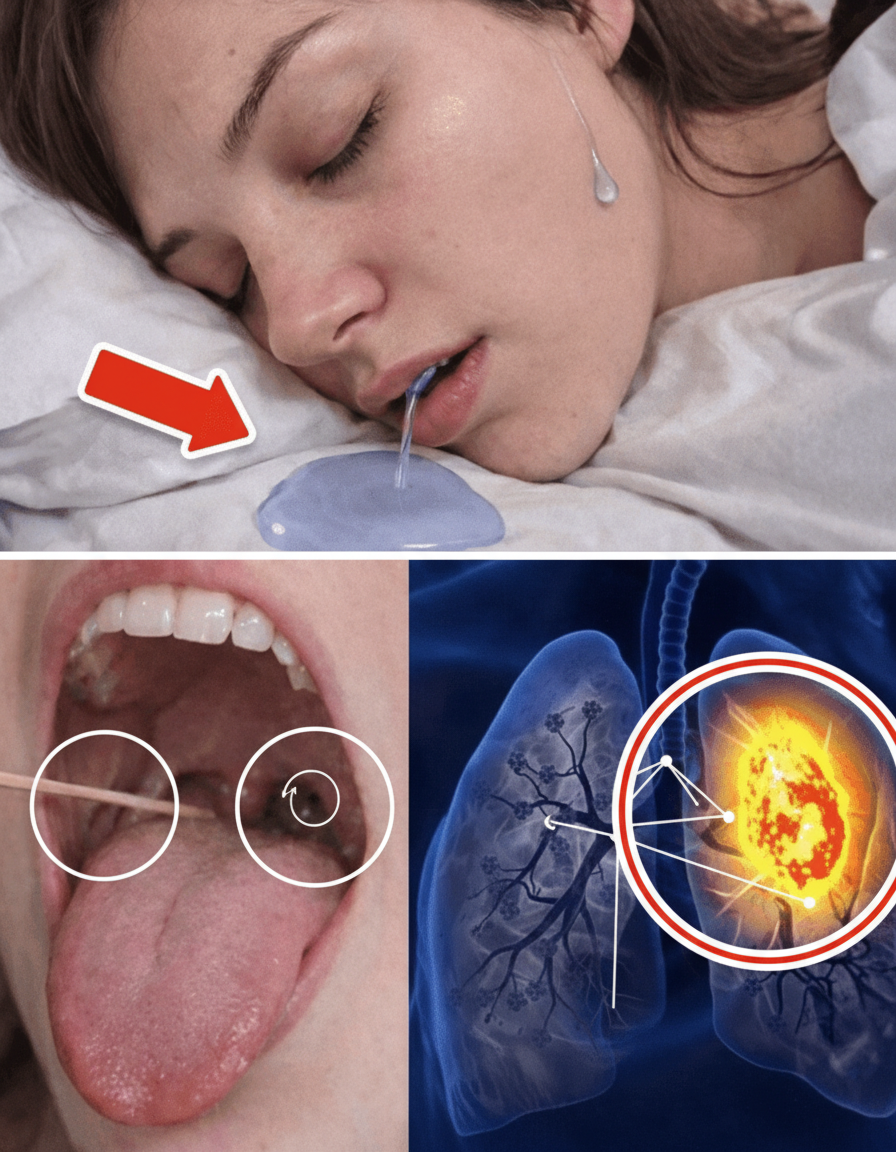
Your digestive system can influence saliva production in ways you might not anticipate:
- Gastroesophageal Reflux Disease (GERD): Acid reflux, or GERD, irritates the delicate lining of the throat and esophagus. In response, the body often produces more saliva as a protective measure to neutralize the acid. This surplus saliva can accumulate overnight, especially if reflux symptoms worsen when lying down.
- Other Digestive Imbalances: General digestive discomfort or consuming heavy, spicy meals late in the evening can stimulate your salivary glands, leading to an increase in saliva production while you are resting.
Neurological and Muscle-Related Factors
In certain instances, drooling can be an indicator of challenges with muscle control or nerve function:
- Swallowing Difficulties (Dysphagia): Medical conditions that impair the coordination required for swallowing make it harder to effectively clear saliva. This can result in saliva pooling in the mouth and eventually spilling out.
- Neurological Conditions: Disorders such as Parkinson’s disease, the aftermath of a stroke, or multiple sclerosis can directly affect facial muscles and swallowing reflexes. For example, in Parkinson’s, a reduction in automatic swallowing leads to saliva accumulation rather than an actual increase in its production. These situations are often accompanied by other noticeable physical changes, making it vital to observe any evolving patterns.
Oral Health, Medications, and Lifestyle Triggers
Everyday factors can also disrupt the delicate balance of saliva production and retention:
- Mouth and Throat Irritation: Issues like a sore throat, mouth ulcers, or existing dental problems can trigger increased saliva production as the body attempts to soothe and heal the affected area.
- Medication Side Effects: Certain medications, including some antipsychotics or drugs prescribed for other conditions, list increased salivation as a potential side effect. If you suspect this applies to you, it’s advisable to consult with your pharmacist or healthcare provider.
- Fatigue, Stress, or Evening Habits: Extreme exhaustion can disrupt the normal balance of the nervous system, potentially affecting bodily functions. Similarly, indulging in spicy foods or large meals close to bedtime can stimulate salivary gland activity, leading to more saliva while you sleep.
Actionable Tips to Help Reduce Nighttime Drooling
You don’t necessarily have to wait for definitive answers; here are practical steps many individuals find immediately helpful:
- Adjust Your Sleep Position: Try to sleep on your back. This position uses gravity to keep saliva in your mouth, making it less likely to escape.