 By admin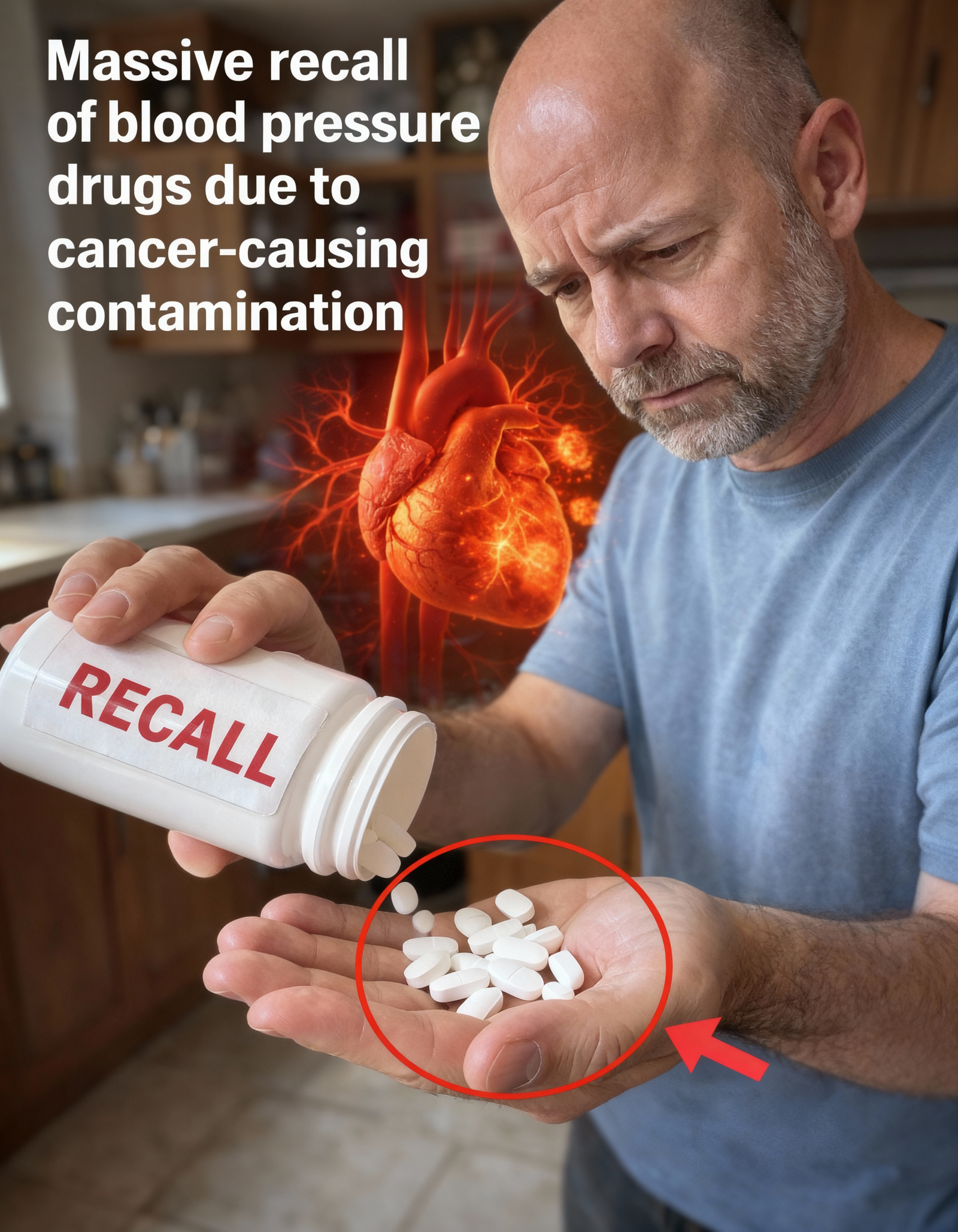
If you or a loved one takes prazosin hydrochloride every day to manage high blood pressure—or even to help with PTSD-related nightmares—the recent news of a massive recall can feel alarming and deeply unsettling. Over 580,000 bottles of this widely used generic medication, produced by Teva Pharmaceuticals, were voluntarily recalled in October 2025 after testing showed elevated levels of a nitrosamine impurity called N-nitroso Prazosin impurity C, a compound classified as potentially carcinogenic with prolonged exposure above safe limits. No injuries or adverse events have been reported so far, but the uncertainty about what this means for your health and daily routine is completely understandable and shared by many patients right now. The good news is that this recall was issued proactively to protect users, and there are clear, immediate steps you can take to check your supply and stay safe—steps that could bring real peace of mind today, plus one practical habit that helps safeguard against similar issues long-term.

What Exactly Happened with the Prazosin Recall?
In early October 2025, Teva Pharmaceuticals USA announced a voluntary nationwide recall of more than 580,000 bottles of prazosin hydrochloride capsules in 1 mg, 2 mg, and 5 mg strengths.
The FDA classified this as a Class II recall, indicating that use might cause temporary or medically reversible health effects, or the probability of serious harm is remote.
Laboratory testing detected levels of the nitrosamine impurity above the FDA’s acceptable daily intake limits.
But here’s the reassuring part: No confirmed illnesses have been linked to this specific recall yet.
The affected bottles were distributed across the United States, with expiration dates ranging from late 2025 into early 2028.
Quantities recalled break down as follows:
- 1 mg capsules: Approximately 181,659 bottles
- 2 mg capsules: Approximately 291,512 bottles
- 5 mg capsules: Approximately 107,673 bottles
These figures come directly from FDA enforcement reports and reliable health sources tracking the event.
But that’s not all—prazosin is also used off-label for conditions like PTSD nightmares, meaning this recall impacts a broader group than just those managing hypertension.

Why Nitrosamine Impurities Raise Concerns in Medications
Nitrosamines are a class of chemicals that occur naturally in small amounts in foods like cured meats, vegetables, and even drinking water.
Our bodies typically process low everyday exposures without issue.
The concern emerges when levels in medications exceed FDA safety thresholds over extended periods.
Research and FDA guidance indicate that consistent exposure above acceptable limits for many years could potentially elevate cancer risk, though lifetime exposure at or below daily limits is not expected to increase that risk significantly.
This issue first gained widespread attention in 2018 with recalls of other blood pressure medications like valsartan and losartan due to similar nitrosamine impurities (such as NDMA and NDEA).
Since then, the FDA has strengthened testing protocols and manufacturing oversight, leading to earlier detection in drugs like metformin, quinapril, and now prazosin.
Manufacturers have made notable improvements in processes to reduce these impurities.
These recalls, while concerning, demonstrate that the monitoring system works by identifying problems before widespread harm occurs.

How to Quickly Check If Your Prazosin Is Affected
This is the most important section—grab your prescription bottle right now.
Look for these key details:
- Medication: Prazosin hydrochloride capsules (generic)
- Manufacturer/Distributor: Teva Pharmaceuticals USA (NDC codes starting with 0093-4067 for 1 mg, 0093-4068 for 2 mg, or 0093-4069 for 5 mg)
- Lot numbers: Compare against the FDA’s official list (examples include lots like 3010544A, 3010545A, 3010398A, and many others—full updated lists are available on the FDA website)
If your bottle matches any recalled lots, stay calm—replacements are straightforward.
Here’s your clear, step-by-step action plan you can follow immediately:
- Contact your pharmacist first — Call or visit your pharmacy today. They can verify the lot number quickly and often provide an unaffected generic version from stock right away.
- Consult your doctor before any changes — Never stop prazosin abruptly, as it can cause a dangerous rebound spike in blood pressure. Your provider can guide a safe transition to alternatives like doxazosin, terazosin, or other classes (such as ACE inhibitors or calcium channel blockers).
- Return or dispose of the recalled product safely — Your pharmacy or manufacturer can handle returns, often with free exchanges or refunds.
- Stay updated — Re-check the FDA’s recall page periodically, as additional lots may occasionally be added.
Many patients have navigated this process smoothly, with pharmacies already prepared for these common situations.

Simple Habits to Protect Yourself from Future Medication Concerns
While recalls are uncommon and caught through strict quality controls, building proactive routines adds an extra layer of security.
Consider incorporating these easy habits:
- Review your prescriptions with your doctor or pharmacist at least once a year, discussing any new safety alerts or generic options.
- Sign up for free FDA recall email alerts at fda.gov/safety/recalls — it takes just a minute and keeps you informed automatically.
- Store all medications in a cool, dry place away from direct light and humidity to help preserve stability.
- Use the same pharmacy for all your prescriptions so they maintain a full record and can spot potential flags more easily.
- When filling generics, feel free to ask about the manufacturer — some people prefer certain sources for added reassurance, though all FDA-approved drugs meet rigorous standards.
These small steps compound over time, giving you greater confidence in your treatment plan.
Interestingly, enhanced FDA scrutiny and independent testing have made the U.S. drug supply safer overall, even as headlines highlight these proactive actions.
Other Blood Pressure Medications Impacted by Similar Issues
To put this in perspective, prazosin follows a pattern seen in several other drugs:
| Medication | Year of Major Recall(s) | Impurity Involved | Approximate Scale |
|---|---|---|---|
| Valsartan | 2018–2019 | NDMA/NDEA | Millions of bottles |
| Losartan | 2019–2020 | NDMA | Millions of bottles |
| Metformin (ER) | 2020–2021 | NDMA | Hundreds of thousands |
| Quinapril | 2022 | Nitrosamine | Thousands |
| Prazosin | 2025 | N-nitroso Prazosin C | Over 580,000 bottles |
This history shows the FDA’s ongoing vigilance in catching and addressing these manufacturing-related issues early.
Final Thoughts: Take Control and Move Forward
News of a recall on a medication you rely on can stir up worry, but this prazosin action exists to keep patients safe—no reported harm has occurred from these specific lots, and effective alternatives and replacements are readily available.
By checking your bottle today and reaching out to your pharmacist and doctor, you’re already doing the most powerful thing possible.
Stay proactive, maintain open communication with your healthcare team, and continue supporting your blood pressure health through lifestyle choices alongside your prescribed regimen.
You’re not alone—thousands have handled similar situations successfully.
Frequently Asked Questions
1. Does taking the recalled prazosin mean I will develop cancer?
Short-term exposure poses very low risk according to the FDA, and no cancer cases have been directly linked to this recall. Long-term exposure above limits is the main theoretical concern—talk to your doctor for personalized reassurance.
2. What alternatives can replace prazosin?
Options often include other alpha-blockers (like doxazosin or terazosin) or different classes such as ACE inhibitors, ARBs, beta-blockers, or calcium channel blockers. Your healthcare provider will tailor the choice to your condition.
3. How do I get alerts for future drug recalls?
Sign up for free notifications on the FDA website (fda.gov/safety/recalls-market-withdrawals-safety-alerts), use apps like MedWatcher, or ask your pharmacy to notify you of relevant updates.
Disclaimer: This article is for informational purposes only and is not a substitute for professional medical advice. Always consult your healthcare provider or pharmacist before making any changes to your medications, and never discontinue prescribed blood pressure treatment without medical guidance, as abrupt stops can be harmful.